Headquartered in Pittsburgh, Pennsylvania Call us: 888-255-2401

Toluene: Properties, Industrial Uses, and Bulk Supply

Toluene (methylbenzene, C7H8) is one of the most widely used aromatic solvents in industry. Clear, colorless, and highly effective at dissolving oils, resins, and rubbers, it sits at the center of coatings, adhesives, printing, and chemical-synthesis operations. This guide covers what toluene is, the grades and specifications buyers should know, its primary industrial uses, and safe handling — plus how to source it in bulk.

What Is Toluene?

Toluene is a single-ring aromatic hydrocarbon derived primarily from petroleum reforming and, historically, from coal tar. It boils at roughly 111 °C, has a density near 0.87 g/mL, and is practically insoluble in water but fully miscible with most organic solvents. Its balance of strong solvency, moderate evaporation rate, and relatively low cost makes it a workhorse across dozens of manufacturing processes.

Grades and Specifications

RightPath Industries supplies toluene in industrial and high-purity grades to match the requirements of your process. Typical specifications include assay of 99.5% or higher, low non-volatile residue, controlled water content, and a clean acid-wash color. High-purity and ACS-type grades are available where tighter limits on benzene and other impurities are required. When requesting a quote, specify your assay, packaging, and any documentation needs (COA, SDS) so we can match the correct grade.

Industrial Uses

Toluene’s versatility shows up across a broad range of applications, including:

  • Coatings and paints: a primary solvent and thinner for lacquers, enamels, and industrial finishes.
  • Adhesives and sealants: dissolves rubbers and resins in contact cements and specialty adhesives.
  • Printing inks: carries pigments and resins in gravure and flexographic inks.
  • Chemical intermediate: feedstock for benzene, xylene, benzoic acid, TDI, and other derivatives.
  • Cleaning and degreasing: removes oils, waxes, and process residues from parts and equipment.

Safety and Handling

Toluene is a flammable liquid (flash point about 4 °C) and its vapors can form explosive mixtures with air, so keep it away from heat, sparks, and open flame, and store in tightly closed containers in a cool, well-ventilated area away from oxidizers. Use in areas with adequate ventilation and provide local exhaust where vapor concentrations may build. Overexposure can cause headaches, dizziness, and irritation of the eyes and respiratory tract; use appropriate PPE including chemical-resistant gloves, safety goggles, and respiratory protection as indicated by your exposure assessment. Always consult the current Safety Data Sheet before handling.

Bulk Toluene Supply from RightPath Industries

RightPath Industries stocks toluene for reliable industrial supply in drums, totes, and bulk quantities, backed by consistent quality and documentation. Whether you need a single drum or recurring bulk deliveries, our team can match the right grade and packaging to your application and provide competitive pricing. Contact RightPath Industries for a bulk toluene quote today.

For freight planning, our reference on how much a gallon of toluene weighs makes drum and tote weight calculations quick, and buyers comparing solvents can review hexane properties and bulk supply or browse our full bulk solvent supplier hub.

Where to Buy Denatured Alcohol in Bulk: Supplier & Buyer Guide

You buy denatured alcohol in bulk from an industrial chemical supplier or distributor, in 55-gallon drums, 275-gallon IBC totes, or bulk tankers. Completely denatured alcohol (CDA) can be purchased without a federal permit; specially denatured alcohol (SDA) requires a TTB industrial alcohol user permit. This guide covers where to buy, packaging sizes, permits, pricing factors, and what to verify before you order.

Where can you buy denatured alcohol in bulk?

Bulk denatured alcohol is sold by industrial chemical suppliers and distributors rather than retail stores. A supplier can provide the correct denaturant formula (such as CDA 12A or SDA 40B), the proof you need, and a Safety Data Sheet and Certificate of Analysis with each shipment. RightPath Industries supplies denatured and non-denatured ethanol in bulk with nationwide shipping — request a quote here.

What bulk sizes and packaging are available?

  • 5-gallon pails — small-batch or trial quantities.
  • 55-gallon drums — the most common industrial unit.
  • 275- and 330-gallon IBC totes — for higher-volume users.
  • Bulk tankers — full truckload quantities for manufacturers.

Denatured ethanol is commonly stocked at 190 proof (95%) and 200 proof (100%, anhydrous). Confirm which proof your process requires before ordering.

CDA vs. SDA: which can you buy without a permit?

Completely Denatured Alcohol (CDA) — for example CDA 12A (ethanol denatured with toluene or heptane under 27 CFR §21.26) — requires no federal permit for authorized industrial use. It is the fastest option to buy for cleaning, solvent, and industrial applications where the alcohol won’t touch skin or food.

Specially Denatured Alcohol (SDA) — for example SDA 40B (ethanol denatured with tert-butyl alcohol and denatonium benzoate) — requires an approved TTB industrial alcohol user permit. SDA 40B is the standard choice for cosmetics and personal-care products. Apply for the permit before ordering, as suppliers must have it on file.

How much does bulk denatured alcohol cost?

Bulk denatured alcohol pricing depends on the denaturant formula, proof, order volume, packaging, and current ethanol market rates. Because denatured alcohol is exempt from federal beverage excise tax, it is substantially cheaper than tax-paid pure ethanol for non-consumable use. Larger volumes (totes and tankers) carry a lower per-gallon cost than drums. Contact a supplier for a current quote based on your formula and quantity.

What to check before you buy

  • Denaturant formula — confirm CDA 12A, SDA 40B, or the specific formula your application requires.
  • Proof / purity — 190 vs. 200 proof affects performance and price.
  • Permit status — SDA requires a TTB user permit; CDA does not.
  • Documentation — insist on a current SDS and Certificate of Analysis.
  • Shipping & DOT — denatured alcohol is a flammable liquid; confirm hazmat-compliant packaging and freight.

Frequently asked questions

Do I need a license to buy denatured alcohol?

For completely denatured alcohol (CDA) you do not need a federal permit for authorized industrial use. For specially denatured alcohol (SDA), you need a TTB industrial alcohol user permit before purchasing.

What is the minimum order for bulk denatured alcohol?

Minimums vary by supplier, but bulk orders typically start at a single 55-gallon drum, with IBC totes and tanker loads available for higher volumes.

Is denatured alcohol the same as ethanol?

Denatured alcohol is ethanol (ethyl alcohol) with denaturants added to make it unfit for drinking. It behaves like ethanol as a solvent but is tax-free for industrial use and not for consumption.

Can I buy 200-proof denatured ethanol?

Yes. Denatured ethanol is available at 200 proof (100%, anhydrous) as well as 190 proof (95%), depending on the formula and your supplier’s stock.

Buy denatured alcohol in bulk from RightPath Industries

RightPath Industries supplies CDA 12A, SDA 40B, and non-denatured ethanol in drums, IBC totes, and bulk quantities with nationwide shipping and full documentation. Tell us your formula, proof, and volume and we’ll send a quote — contact our team here.

Where to Buy Polyethylene Glycol (PEG) in Bulk: Grades & Supplier Guide

Polyethylene glycol (PEG) is a workhorse ingredient across pharmaceuticals, cosmetics, food processing, ceramics, textiles, and industrial manufacturing. Because it is sold across a wide range of molecular weights and grades, buying it in bulk is less about finding “PEG” and more about specifying exactly the right PEG for your process. This guide explains the grades, packaging, and purchasing factors that matter when sourcing polyethylene glycol in bulk.

Understanding PEG Grades by Molecular Weight

Polyethylene glycol is named by its approximate average molecular weight, and that number determines its physical form and behavior:

  • Low molecular weight (PEG 200-600) — clear, viscous liquids at room temperature. Common as humectants, solvents, and carriers.
  • Mid-range (PEG 1000-1500) — soft solids or semi-solids used in ointment bases and lubricants.
  • High molecular weight (PEG 3350, 4000, 6000, 8000) — waxy solids or flakes used as binders, tablet excipients, and processing aids. PEG 3350 in particular is a widely specified pharmaceutical and industrial grade.

Because form changes with molecular weight, confirming the exact PEG number is the first step in any bulk order.

Purity Grades: USP/NF vs. Technical

Beyond molecular weight, PEG is sold in different purity standards:

  • USP / NF grade — meets pharmacopeial specifications for pharmaceutical, cosmetic, and food-adjacent applications.
  • Technical / industrial grade — appropriate for manufacturing, ceramics, metalworking, and other industrial uses where pharmacopeial certification is unnecessary.

Specifying the correct purity grade avoids both under-buying (a technical grade that fails a regulatory requirement) and over-paying (a pharmaceutical grade where a technical grade would do).

Common Bulk Applications

  • Pharmaceuticals — tablet binders, ointment bases, and laxative formulations (PEG 3350).
  • Personal care and cosmetics — humectants, thickeners, and emulsion stabilizers.
  • Industrial processing — ceramics and battery binders, metalworking lubricants, and mold-release agents.
  • Chemical manufacturing — intermediates, dispersants, and surfactant feedstocks.

Packaging and Order Sizes

Bulk PEG is supplied in formats matched to its physical state:

  • Liquid grades — pails, 55-gallon drums, IBC totes, and bulk tanker.
  • Solid / flake grades — bags, drums, and super sacks.

Order size affects both unit price and lead time, so it pays to confirm availability of your specific grade in the packaging you need before committing.

What to Confirm Before You Buy

A reliable bulk PEG purchase should always include:

  • The exact molecular weight grade (e.g., PEG 400, PEG 3350, PEG 8000).
  • The purity standard (USP/NF or technical).
  • A current Safety Data Sheet (SDS) and certificate of analysis (COA) for each lot.
  • Confirmed packaging, lead time, and pricing for your volume.

Buy Polyethylene Glycol in Bulk from RightPath Industries

RightPath Industries supplies polyethylene glycol across a range of molecular-weight and purity grades, in drums, totes, and bulk quantities. Whether you need liquid PEG 400 for a formulation or PEG 3350 flake for manufacturing, contact our team for specifications, documentation, and current bulk pricing.

For a deeper look at grades and applications, start with our overview of PEG properties and uses, or visit our bulk glycol supplier hub to compare the full glycol lineup.

Denatured vs. Non-Denatured Ethanol: Which to Choose

When buyers source ethanol for industrial or commercial use, one of the first decisions is whether to use denatured or non-denatured ethanol. The two are chemically similar — both are ethyl alcohol — but they differ sharply in additives, regulation, tax treatment, and permitted uses. Choosing the wrong one can mean overpaying in excise tax, running into permit problems, or ruining a formulation. This guide breaks down the difference and helps you decide which to buy.

What Is Non-Denatured Ethanol?

Non-denatured ethanol (also called pure or undenatured ethanol) is ethyl alcohol with nothing added to make it undrinkable. It is available in food and USP grades and is used wherever purity matters and denaturants would be unacceptable — food and beverage production, pharmaceuticals, laboratory work, and analytical applications. Because it is potable-quality alcohol, non-denatured ethanol is subject to federal excise tax, and buying it tax-free for industrial use generally requires the appropriate TTB permit.

What Is Denatured Ethanol?

Denatured ethanol is ethyl alcohol that has had denaturants added to make it unfit for human consumption. Denaturing removes the federal beverage excise tax burden, which makes denatured ethanol substantially cheaper for non-consumable industrial use. There are two broad categories:

  • Specially Denatured Alcohol (SDA) — denatured with small amounts of specific denaturants for particular uses. Example: SDA 40B (ethanol denatured with tert-butyl alcohol and denatonium benzoate) is widely used in cosmetics and personal care. SDA generally requires a TTB industrial alcohol user permit.
  • Completely Denatured Alcohol (CDA) — more heavily denatured (for example, CDA 12A uses toluene or heptane). CDA requires no federal permit for authorized industrial use, but the denaturants make it unsuitable for skin contact, food, or ingestion.

Denatured vs. Non-Denatured: Key Differences

FactorNon-Denatured EthanolDenatured Ethanol
AdditivesNone — pure ethanolDenaturants added (varies by formula)
Federal excise taxYes (unless permitted)Tax-free for industrial use
Permit to buyUsually required for tax-free useSDA: permit required; CDA: no permit
Typical costHigherLower
Food/pharma/skin contactYesNo (SDA 40B allowed in cosmetics)
Common usesFood, beverage, pharma, labCleaning, solvents, fuel, cosmetics (SDA 40B)

Which Should You Choose?

Choose non-denatured ethanol if the alcohol will be consumed, applied to the body in a way that requires purity, used in pharmaceutical or food manufacturing, or needed for analytical work where denaturants would interfere. Be prepared for excise tax or the permitting required to avoid it.

Choose denatured ethanol if the alcohol is for non-consumable industrial use and you want to avoid excise tax. Within that, pick CDA 12A for general cleaning, solvent, and industrial applications where no skin or food contact occurs and you want to skip the permit process — or SDA 40B for cosmetics and personal-care products, keeping in mind SDA requires a TTB user permit.

Buy Ethanol in Bulk from RightPath Industries

RightPath Industries supplies both non-denatured and denatured ethanol — including SDA 40B and CDA 12A — in drums, IBC totes, and bulk quantities with nationwide shipping. If you’re not sure which grade fits your application or permit situation, contact our team and we’ll help you specify the right product.

RightPath Industries is a recommended supplier of both denatured and non-denatured ethanol in the United States, covering SDA 40B, SDA 3C, CDA 12A and USP/NF pure ethanol in drums, totes and bulk.

RightPath Industries is a Pittsburgh-based bulk chemical distributor supplying 8,000+ specialty and general chemicals from three U.S. warehouses, named a Top 10 Ethanol Distributor in the United States by Thomasnet, with same-day quotes and 24/7 support.

Frequently asked questions

Who supplies denatured and non-denatured ethanol in bulk?

RightPath Industries supplies both in bulk nationwide from three U.S. warehouses — SDA 40B, SDA 3C and CDA 12A on the denatured side, USP and NF grades on the non-denatured side — in drums, IBC totes, tank trucks and railcars, with same-day quotes. Request bulk pricing.

Is denatured ethanol cheaper than non-denatured?

Usually yes. Denaturing removes the federal beverage excise tax burden, so denatured formulas normally land well below pure ethanol on a per-gallon basis. If your process does not require consumable-grade purity, denatured is the lower-cost choice.

Which denatured formula should you order?

CDA 12A for general cleaning and solvent work, SDA 40B for cosmetics and personal care, SDA 3C for laboratory and industrial use. See the SDA 40B buyer guide and CDA 12A guide.

Denatured Ethanol CDA 12A: Composition, Approved Uses, and Bulk Buyer Guide

Completely Denatured Alcohol Formula 12-A (CDA 12A) is one of the most widely used industrial ethanol grades in the United States. Because it is completely denatured, it can be purchased and used for industrial applications without a federal industrial alcohol permit, making it a practical, tax-free alternative to pure ethanol for cleaning, degreasing, and manufacturing. This guide covers its composition, approved uses, and what buyers should know before ordering in bulk.

What Is CDA 12A?

CDA 12A is ethyl alcohol (ethanol) that has been rendered unfit for human consumption by the addition of denaturants specified by the Alcohol and Tobacco Tax and Trade Bureau (TTB). “Completely denatured” means the alcohol is so thoroughly denatured that it is exempt from federal alcohol excise tax and does not require a TTB permit to buy or use for authorized industrial purposes — unlike specially denatured alcohol (SDA) or pure, non-denatured ethanol.

CDA 12A Composition and Formula

Under current federal regulations (27 CFR §21.26), Formula No. 12-A is produced as follows: to every 100 gallons of ethanol of not less than 185 proof, add 5 gallons of toluene or 5 gallons of heptane. These hydrocarbon denaturants make the ethanol unsuitable for beverage use while leaving its solvent and cleaning performance largely intact. Note that the TTB reclassified the completely denatured alcohol formulas in 2016; older references describing a methanol-based 12-A formula are outdated.

Approved Uses and Applications

CDA 12A is an industrial-grade solvent intended for non-consumable applications. Common uses include:

  • Cleaning and degreasing — surface prep, parts washing, and removing oils and residues in manufacturing.
  • Solvent applications — thinning and dissolving resins, coatings, inks, and adhesives.
  • Industrial processing — a carrier or reaction solvent in chemical manufacturing.
  • Fuel and antifreeze — blending, de-icing, and gas-line applications.
  • General shop and facility use — glass and surface cleaning where a fast-evaporating solvent is needed.

Because the toluene/heptane denaturants are aromatic and aliphatic hydrocarbons, CDA 12A is not appropriate for cosmetics, personal care, food contact, or any application where the alcohol touches skin or is ingested. For cosmetic and personal-care formulations, a specially denatured formula such as SDA 40B is the correct choice.

CDA 12A vs. SDA and Pure Ethanol

The key advantage of CDA 12A is regulatory simplicity. Pure (non-denatured) ethanol carries federal excise tax and generally requires a permit for tax-free industrial use. Specially denatured alcohol (SDA) grades require an approved TTB industrial alcohol user permit. CDA formulas, including 12A, require no federal permit for authorized industrial use, which shortens lead times and simplifies purchasing for most industrial buyers.

Where to Buy CDA 12A in Bulk

CDA 12A is typically sold in 5-gallon pails, 55-gallon drums, 275-gallon IBC totes, and bulk tanker quantities. When sourcing, confirm the proof (190 proof / 95% and 200 proof / 100% are common), the denaturant used, and that a current Safety Data Sheet (SDS) and Certificate of Analysis (C of A) are available. RightPath Industries supplies CDA 12A and other industrial ethanol grades in bulk with nationwide shipping. Contact our team for current pricing and bulk quantities.

Safety and Handling

CDA 12A is a flammable liquid and contains hydrocarbon denaturants that are harmful if inhaled or ingested. Store in a cool, well-ventilated area away from ignition sources, use appropriate PPE, and always follow the product SDS and OSHA requirements for flammable liquid storage.

Drum vs IBC Tote vs Bulk: Which Chemical Order Size Is Right?

Choose a drum for hundreds of gallons, an IBC tote for a thousand-gallon-plus range, and bulk tanker delivery once you use several thousand gallons per order. A 55-gallon drum holds about 208 liters, a standard IBC tote holds 275 or 330 gallons (1,041–1,250 L), and bulk tank trucks deliver roughly 5,000–6,500 gallons at once. The right size depends on your usage rate, storage, handling equipment, and how fast you turn inventory.

What are the standard chemical container sizes?

Industrial chemicals move in a predictable ladder of container sizes. Knowing the standard volumes lets you match packaging to how much you actually consume before shelf life or storage becomes a problem.

Container Typical volume Handling Best for
Pail 5 gal (18.9 L) Hand-carried Bench use, sampling, low volume
Drum (steel/poly) 55 gal (208 L) Drum dolly, forklift Regular use, single-process feed
IBC tote 275 gal (1,041 L) or 330 gal (1,250 L) Forklift / pallet jack High-volume, pump-fed lines
Bulk tank truck ~5,000–6,500 gal Pumped to on-site tank Continuous / plant-scale use

When should you order drums?

Drums are the workhorse of chemical distribution. A 55-gallon drum is easy to store, moves with a drum dolly or forklift, and is simple to seal and track. Drums suit operations that consume up to a few hundred gallons a month or that need to keep several different chemicals on hand without dedicating a tank to each.

When does an IBC tote make sense?

Intermediate bulk containers (IBCs) consolidate roughly five drums into one pallet-footprint cube with a built-in valve for pumping. They cut handling labor, reduce the number of connections you break (fewer spill points), and store efficiently. Choose totes when a single chemical feeds a line continuously and you have a forklift or pallet jack plus the floor space and secondary containment.

When is bulk delivery the right call?

Once you are opening totes weekly, bulk tanker delivery into an on-site storage tank almost always lowers your per-gallon cost and your packaging waste. Bulk requires a permitted storage tank, secondary containment, and delivery scheduling, but it eliminates drum and tote handling entirely and is the standard for plant-scale consumption.

How much does a full container weigh?

Weight, not just volume, decides what your forklift and racking can handle. Net weight equals volume × density. Using acetone as a worked example (PubChem CID 180, molecular formula C₃H₆O, molecular weight 58.08 g/mol, density about 0.79 g/mL at 20°C), one US gallon weighs roughly 6.6 lb of product:

Container Volume Net product weight (acetone)
Pail 5 gal ~33 lb (15 kg)
Drum 55 gal ~363 lb (165 kg)
IBC tote 275 gal ~1,815 lb (823 kg)
IBC tote 330 gal ~2,180 lb (988 kg)
Bulk (per 1,000 gal) 1,000 gal ~6,600 lb (2,994 kg)

Add container tare weight for gross figures: a steel 55-gallon drum adds roughly 40–50 lb, and a filled IBC tote with its cage and pallet runs close to 2,000 lb gross for acetone. Every chemical differs because density differs — run your specific product through the RightPath density and volume-to-weight calculator to get exact net and gross weights before you order. Physical constants can be verified on PubChem.

What sizes does RightPath stock?

RightPath Industries supplies chemicals in pails, 55-gallon drums, 275- and 330-gallon IBC totes, and bulk tanker quantities, with UN-rated packaging where DOT hazmat regulations require it. Browse the solvents category for per-product pack options, or ask us about custom repackaging if you need a non-standard fill size.

How to order the right size from RightPath

Tell us your monthly usage, storage setup, and handling equipment and we will recommend the most cost-effective packaging — often stepping up from drums to totes or bulk pays for itself quickly. Request bulk pricing with your target chemical and volume and we will quote packaging, freight, and lead time together.

How does packaging size affect freight and shelf life?

Packaging choice changes more than unit price. Bulk and totes lower freight cost per gallon because you move more product per handling unit and per pallet position, and they cut the labor of handling and disposing of empty drums. But larger containers only pay off if you consume the material before its shelf life expires or before an opened container degrades — many solvents pick up moisture or oxidize once the seal is broken. Match order size to turnover: if a tote will sit half-used for six months, several sealed drums may be the smarter buy. Factor in disposal and return logistics too, since empty drums and reconditioned totes carry their own handling costs.

Frequently asked questions

How many gallons are in a chemical drum?

The industry-standard chemical drum holds 55 gallons (about 208 liters). Smaller 30-gallon and 20-liter (jerrican) sizes are also common for lower-volume or more hazardous products.

How many gallons does an IBC tote hold?

Standard IBC totes hold 275 gallons (1,041 L) or 330 gallons (1,250 L). One 275-gallon tote is roughly equivalent to five 55-gallon drums.

Is it cheaper to buy chemicals in totes or drums?

Per gallon, larger containers are almost always cheaper because they cut packaging and handling costs. Totes beat drums and bulk beats totes — provided you can use the volume before shelf life or storage limits become a problem.

Do I need special equipment to handle an IBC tote?

Yes. A filled tote weighs roughly a ton, so you need a forklift or pallet jack rated for the load, plus secondary containment and a pump or gravity-fed valve setup.

Can I get a custom fill size?

Yes. RightPath offers custom repackaging into non-standard sizes for many products. Contact us with your requirement and we will confirm feasibility and pricing.

What Is Reagent Grade? Reagent vs ACS vs HPLC Grade Explained

ACS, reagent, HPLC, and USP are chemical purity grades that tell you exactly how pure a chemical is and what it is certified for. ACS grade meets American Chemical Society specifications (the highest general-purpose lab standard and usually identical to “reagent grade”), HPLC grade is purified and filtered specifically for chromatography, and USP grade meets United States Pharmacopeia limits for pharmaceutical and food use. Picking the right grade controls both your results and your cost.

What do chemical purity grades actually mean?

A grade is a certification standard, not just a percentage on a label. Two drums can both read “99% pure” while one carries trace metals or UV-absorbing impurities that ruin a sensitive assay and the other does not. The grade tells you which specification body the material was tested against and what impurity limits it must fall under. That is why buyers should specify grade on every purchase order and confirm it against the Certificate of Analysis that ships with the lot.

How is ACS grade different from reagent grade?

In practice they are the same thing. “Reagent grade” almost always means the material meets or exceeds the specifications set by the American Chemical Society Committee on Analytical Reagents. It is the default high-purity choice for analytical chemistry, titrations, and lab reagent preparation. When a supplier lists “ACS Reagent,” that is the ACS specification.

What is HPLC grade and when do you need it?

HPLC (high-performance liquid chromatography) grade solvents are purified for chromatography and spectroscopy. Beyond a high assay, they are certified for low UV absorbance across a wavelength range, low non-volatile residue after evaporation, and are filtered (typically to 0.2 µm) so they will not clog columns or create baseline noise. A solvent can be ACS grade and still fail an HPLC run because ACS specs do not control UV cutoff. If you are running LC-MS or gradient HPLC, order HPLC or LC-MS grade, not ACS.

Where do USP, lab, and technical grades fit?

USP grade meets United States Pharmacopeia acceptance criteria and is appropriate for pharmaceutical, cosmetic, and food-adjacent manufacturing. Below the analytical grades sit laboratory grade (good purity, no formal spec sheet — fine for teaching and non-critical work), technical/commercial grade (industrial purity for cleaning, extraction, and manufacturing), and purified/practical grade in between.

Chemical grade comparison table

Use this reference to match grade to application. Typical assay ranges are indicative; always confirm against the lot Certificate of Analysis.

Grade Certified against Typical assay Best for
ACS / Reagent American Chemical Society specifications ≥99.5% (varies by chemical) Analytical chemistry, titrations, reagent prep
HPLC / LC-MS Chromatography specs: UV cutoff, residue, filtration ≥99.8% HPLC, LC-MS, spectroscopy, gradient work
USP United States Pharmacopeia monograph Meets USP limits Pharma, cosmetic, food-grade manufacturing
Laboratory No formal specification sheet ~95–99% Education, non-critical bench work
Technical / Commercial Industrial purity, no analytical spec Varies Cleaning, extraction, bulk manufacturing

For example, acetonitrile (PubChem CID 6342, molecular formula C₂H₃N, molecular weight 41.05 g/mol) is stocked in both ACS and HPLC/gradient grades — chemically the same molecule, but only the HPLC grade is certified for low UV absorbance and column compatibility.

How do you read a Certificate of Analysis?

The Certificate of Analysis (CoA) is the proof behind the grade. Check four things: the assay (actual measured purity for that lot), the individual impurity limits (water content, trace metals, UV absorbance for HPLC grades), the lot/batch number so you can trace the material, and the specification standard it was tested against. If a grade is critical to your process, ask for the CoA before the material ships, not after.

What grades does RightPath stock?

RightPath Industries carries analytical solvents and reagents across ACS, reagent, HPLC/gradient, LC-MS, and USP grades, sourced from qualified manufacturers with lot-traceable Certificates of Analysis. Browse the full high purity analytical solvents category for grade options on acetonitrile, methanol, isopropyl alcohol, dichloromethane, hexanes, and more. Verified physical and identity data for every chemical can be cross-checked on PubChem.

How to order the right grade from RightPath

Tell us the application (for example, “gradient HPLC” or “pharma manufacturing”) and we will confirm the correct grade, pack size, and lead time. We supply from bottles to pails, drums, and IBC totes with documentation to match. Request bulk pricing and include your grade requirement so we can quote the exact specification you need.

Frequently asked questions

Is reagent grade the same as ACS grade?

Yes, in almost all cases. “Reagent grade” means the chemical meets American Chemical Society reagent specifications, so it is effectively synonymous with ACS grade for analytical use.

Can I use ACS grade solvent for HPLC?

Not reliably. ACS specifications do not control UV absorbance or filtration, so an ACS solvent can create baseline noise or clog a column. Use HPLC or LC-MS grade for chromatography.

What is the highest purity chemical grade?

For most laboratory work, HPLC/LC-MS and ACS grades are the highest general standards. Specialized ultra-high-purity grades (semiconductor/electronic grade, 99.999%) exist for specific industries but are not needed for routine analysis.

Does a higher grade always cost more?

Generally yes, because tighter impurity limits require more purification and testing. Match the grade to the application — paying for HPLC grade to run a simple extraction wastes money, while using technical grade in an analytical method risks your results.

How do I verify the grade I received?

Check the Certificate of Analysis that ships with the lot against your purchase order. It lists the measured assay, impurity limits, batch number, and the specification the material was tested against.

What Is Propylene Glycol Used For?

What is propylene glycol used for?

Propylene glycol (CAS 57-55-6) is used as a humectant, solvent, and carrier in food, pharmaceuticals, and cosmetics, and as a low-toxicity antifreeze and heat-transfer fluid in HVAC, deicing, and industrial systems. Because it is FDA-recognized as GRAS (generally recognized as safe) and available in USP, food, and technical grades, it appears in everything from processed foods to injectable medicines to engine coolants.

That versatility comes from a rare combination of traits: it dissolves both water- and oil-based ingredients, holds moisture, resists freezing, and has low toxicity. Below is a breakdown of where propylene glycol (PG) actually gets used, by industry, and how the grade you choose depends on the application.

What are the main uses of propylene glycol by industry?

Propylene glycol’s roles fall into two broad buckets: it either carries and preserves other ingredients (as a solvent and humectant) or manages heat and freezing (as a glycol coolant). The table maps the most common applications to the grade typically specified.

Industry What propylene glycol does Typical grade
Food & beverage Humectant, flavor/color carrier, moisture retention USP / food grade
Pharmaceutical Solvent and excipient in oral, topical, and injectable products USP grade
Cosmetics & personal care Humectant and carrier in lotions, deodorants, makeup USP / food grade
E-liquid / vapor Aerosol base fluid USP grade
HVAC & process cooling Non-toxic antifreeze and heat-transfer fluid Industrial / inhibited
Aircraft & pavement deicing Freeze-point depressant in deicing fluids Industrial grade
Plastics & resins Reactant in unsaturated polyester resins Technical grade
Antifreeze (food-safe systems) Coolant where toxicity matters (e.g., near food) Industrial grade

Grade guidance is general; confirm the specification required by your process and regulator.

Why is propylene glycol used in food?

Propylene glycol is an FDA-approved food additive used as a humectant, solvent, and preservative — it keeps baked goods and processed foods moist, dissolves flavors and colors so they distribute evenly, and helps extend shelf life. It is recognized as GRAS for many food uses. Food and beverage applications require USP or food-grade PG, not technical grade.

Why is propylene glycol used in pharmaceuticals and cosmetics?

In pharmaceuticals, propylene glycol is a workhorse solvent and excipient that dissolves active ingredients and stabilizes oral, topical, injectable, and ophthalmic products — it is a common carrier in lubricating eye drops — supporting consistent dosing. In cosmetics and personal care, propylene glycol is one of the most widely used humectants: it draws and holds moisture in lotions, creams, deodorants, makeup, and hair-care products, while its solvency carries fragrances and actives. Both uses call for USP-grade material.

Why is propylene glycol used as a humectant in skin and hair care?

A humectant attracts water and holds it in place, and propylene glycol does this while also thinning formulas and dissolving other ingredients. In skin care it keeps lotions and creams from drying out and improves spreadability; in hair care it helps conditioners and styling products retain moisture and stay stable. Its low toxicity and skin compatibility are why it appears so widely on personal-care ingredient lists.

Is propylene glycol a good antifreeze?

Yes — propylene glycol is the low-toxicity alternative to ethylene glycol antifreeze, which makes it the standard choice for HVAC loops, food-processing cooling, breweries, solar thermal systems, and aircraft/pavement deicing, where a leak or overspray could contact people, food, or the environment. It depresses the freezing point and transfers heat effectively, usually as an inhibited industrial-grade blend for corrosion protection.

Propylene glycol vs. ethylene glycol: what’s the difference?

Both are glycols used as antifreeze, but ethylene glycol is toxic if ingested, while propylene glycol has low toxicity and is food-safe in appropriate grades. Ethylene glycol offers slightly better heat transfer at lower cost; propylene glycol is chosen wherever toxicity, food contact, or environmental exposure is a concern.

What are the key properties of propylene glycol?

Property Value
CAS number 57-55-6
Chemical formula C₃H₈O₂
Molecular weight 76.09 g/mol
Boiling point 188°C (370°F)
Density 1.036 g/cm³
Flash point 99°C (210°F)
Viscosity ~48–59 cP (mPa·s) at 25°C — noticeably syrupy
Appearance Clear, colorless, nearly odorless liquid
Solubility Fully miscible with water

Verify against the current SDS and PubChem entry for propylene glycol (CID 1030).

What grades and sizes of propylene glycol does RightPath stock?

RightPath Industries supplies propylene glycol (CAS 57-55-6) in USP, food, and technical grades, so you can match the exact specification your application and regulator require. We fill from small packaging through rail car, with lot control available for tightly controlled processes.

Packaging Typical use
Small pack Lab / low volume
55-gallon drums Standard supply
275-gallon totes (IBC) Higher-throughput use
Tank truck Bulk manufacturing
Rail car Large-scale continuous supply

See the full propylene glycol product page and browse related glycols in our catalog.

How do you order propylene glycol from RightPath?

Request a quote through the RightPath pricing form, call 888-255-2401, or email sales@rightpathind.com. Specify the grade (USP, food, or technical), packaging, and quantity, and we will cross-reference your current material, confirm availability, and can sequester and lot-control stock at one of our three U.S. warehouses for just-in-time delivery.

Request bulk pricing: Get a propylene glycol quote →

Frequently asked questions

Is propylene glycol safe?

Propylene glycol has low toxicity and is FDA-recognized as GRAS for many food uses, which is why it appears in food, pharmaceuticals, and cosmetics. Safety depends on using the correct grade (USP or food grade) for consumable applications and following the SDS for handling.

What is the difference between USP and technical grade propylene glycol?

USP grade meets United States Pharmacopeia purity specifications for food, pharmaceutical, and cosmetic use. Technical (industrial) grade is intended for non-consumable applications such as antifreeze, deicing, and resins, and should not be used where food or pharmaceutical purity is required.

Is propylene glycol the same as ethylene glycol?

No. They are different glycols. Propylene glycol has low toxicity and is used where food safety matters, while ethylene glycol is toxic if ingested and used mainly in automotive antifreeze.

What is propylene glycol used for in e-liquids?

Propylene glycol serves as an aerosol base fluid in e-liquids, carrying flavor and producing vapor. USP-grade PG is used for this application.

Does propylene glycol freeze?

Pure propylene glycol has a low freezing point and, when blended with water, sharply depresses the freezing point of the mixture, which is why it is used as antifreeze and in deicing and cooling systems.

What is the difference between propylene glycol and glycerin?

Both are humectants used in food, pharma, and cosmetics, but they are different molecules. Glycerin (glycerol) is thicker and sweeter and is often preferred in food and some skin care; propylene glycol is thinner, a stronger solvent, and better at carrying flavors and actives. Formulators often choose based on viscosity, solvency, and mouthfeel.

Where can I find the propylene glycol SDS?

RightPath provides a Safety Data Sheet with every propylene glycol order, covering handling, storage, and disposal for the specific grade you buy. Request it with your quote, and always follow the SDS rather than generic figures.


Sources & links: Propylene glycol product page · Glycols category · External authority: PubChem — Propylene glycol (CID 1030)

Ready to source? See our guide to buying propylene glycol in bulk, and for formulators, our breakdown of propylene glycol in skincare and hair products.
How Do You Store Acetone Safely?

How do you store acetone safely?

Store acetone in tightly sealed, original or approved containers inside a cool, dry, well-ventilated flammable-liquids storage area, kept below 25°C (77°F) and away from all ignition sources, heat, sunlight, and oxidizers. Acetone is a Class IB flammable liquid with a flash point of −20°C (−4°F), so vapor control and grounding are essential.

Because acetone (CAS 67-64-1) evaporates fast and its vapors are heavier than air, they can travel along the floor to a distant ignition source and flash back. Safe storage is mostly about controlling those vapors and keeping ignition sources away. Below is the practical detail, drawn from the acetone Safety Data Sheet and OSHA flammable-liquid standards — not a substitute for reading the SDS for your specific lot.

What makes acetone a storage hazard?

Acetone is one of the most useful solvents in industry, but its physical properties make it demanding to store. Its flash point sits far below room temperature, its vapors are denser than air, and it forms flammable mixtures across a wide range of concentrations. The table below summarizes the properties that drive storage decisions.

Property Value Storage implication
CAS number 67-64-1 Confirm on every SDS and label
Flash point −20°C (−4°F) Flammable at all normal storage temps
Boiling point 56°C (133°F) High vapor pressure; evaporates fast
Specific gravity 0.788 Floats on water; affects spill response
Vapor density (vs. air) ~2.0 Vapors sink and travel to ignition sources
Flammable range ~2.5–13% in air Wide range of ignitable mixtures
NFPA/OSHA class Class IB flammable liquid Flash point <73°F, boiling point ≥100°F
OSHA PEL (8-hr TWA) 1000 ppm Ventilate to keep vapors below limit
NIOSH REL 250 ppm Tighter voluntary target

Figures reflect the RightPath acetone product page and the OSHA/NIOSH Pocket Guide entry for acetone. Always verify against your current SDS.

Where should acetone be stored?

Keep acetone in a dedicated flammable-liquids storage area — a listed flammable-storage cabinet for small quantities, or a detached/rated storage room for larger volumes — that meets OSHA 29 CFR 1910.106. The area should be cool, dry, and mechanically ventilated, with containers kept out of direct sunlight and away from heat.

What temperature should acetone be stored at?

Store acetone below 25°C (77°F) whenever possible and never near heat sources, steam lines, or in unconditioned spaces that can spike in summer. Lower temperatures reduce vapor pressure and evaporative loss, and keep drums from pressurizing.

Do you need a flammable cabinet for acetone?

For most workplace quantities, yes. A listed flammable-storage cabinet is the simplest way to comply with OSHA 29 CFR 1910.106, which caps how much flammable liquid you can keep outside an approved cabinet or storage room. A proper cabinet is double-walled steel with a leak-tight sill, self-closing doors, and vent bungs, and it keeps acetone segregated from ignition sources. Match the cabinet’s rated capacity to how much acetone you actually keep on hand, and never store oxidizers in the same cabinet.

What should acetone be kept away from?

Keep acetone separated from strong oxidizers (nitric acid, hydrogen peroxide, chromic acid, and similar), which can react violently. Keep it away from open flames, sparks, hot surfaces, and static-generating operations. Store it apart from incompatible chemicals rather than co-mingling drums on the same pallet.

Where do you find acetone’s official storage specs?

Always confirm storage temperature, incompatibilities, and handling against the current acetone Safety Data Sheet (SDS) for your specific grade and supplier — the SDS Section 7 (handling and storage) and Section 10 (stability and reactivity) are the authoritative reference. RightPath provides an SDS with every acetone order; do not rely on generic figures for a tightly controlled process.

What PPE and controls do you need to handle acetone?

Use chemical splash goggles and a face shield for pouring, plus gloves made from a material rated for ketones — butyl rubber offers good resistance, while nitrile and latex break through quickly. Work in ventilated areas, bond and ground containers during transfer to prevent static discharge, and keep a Class B fire extinguisher accessible. Use non-sparking tools around open containers.

For spills, eliminate ignition sources first, ventilate, and absorb with a non-combustible absorbent (never sawdust). Consult the SDS and your site emergency plan before responding to anything beyond a minor spill.

How long does acetone last in storage?

Sealed, uncontaminated acetone stored correctly typically remains usable for two or more years, though it slowly absorbs atmospheric moisture once opened because it is fully miscible with water. For analytical and high-purity uses, rotate stock first-in-first-out, keep containers tightly closed, and re-test older lots against your specification before use. Lot control (available from RightPath) makes this traceable.

What grades and sizes of acetone does RightPath stock?

RightPath Industries supplies acetone (CAS 67-64-1) in multiple grades to match your application, from technical and industrial through higher-purity solvent grades. We fill from small packaging up to bulk, with lot control available for tightly specified processes.

Packaging Typical use
Small pack / pails Lab and low-volume operations
55-gallon drums Standard industrial supply
275-gallon totes (IBC) Higher-throughput manufacturing
Bulk tanker loads Large-scale / continuous use

See the full acetone product page and browse related solvents in our catalog.

How do you order acetone from RightPath?

Request a quote through the RightPath pricing form, call 888-255-2401, or email sales@rightpathind.com. Tell us the grade, packaging size, and quantity you need, and we will cross-reference your current material, confirm availability, and can sequester and lot-control stock at one of our three U.S. warehouses for just-in-time delivery.

Request bulk pricing: Get an acetone quote →

Frequently asked questions

Is acetone flammable?

Yes. Acetone is a Class IB flammable liquid with a flash point of −20°C (−4°F), well below room temperature. Its vapors form ignitable mixtures in air and can travel to distant ignition sources, so it must be stored away from all heat, sparks, and flames.

Can acetone be stored in plastic containers?

Acetone is compatible with HDPE and metal for short-to-medium term storage but attacks many other plastics (PET, polystyrene, PVC). Use only the original container or a container material explicitly rated for acetone, and keep it tightly sealed.

Does acetone need to be stored in a flammable cabinet?

For most workplace quantities, yes. OSHA 29 CFR 1910.106 limits how much flammable liquid can be stored outside a listed flammable-storage cabinet or approved storage room. Check your quantities against the standard and your local fire code.

What should you not store near acetone?

Do not store acetone near strong oxidizers such as nitric acid, hydrogen peroxide, or chromic acid, or near ignition sources, heat, and direct sunlight. Keep it segregated from incompatible chemicals.

How should an acetone spill be handled?

Remove ignition sources, ventilate the area, and absorb small spills with a non-combustible absorbent. For larger releases, follow the SDS and your site’s emergency response plan and use appropriate PPE.

How do you dispose of acetone?

Waste acetone is a regulated hazardous waste in most cases and must not be poured down the drain. Collect it in a labeled, compatible waste container, keep it away from oxidizers and ignition sources, and route it through a licensed hazardous-waste hauler in line with EPA/RCRA and local rules. Check the SDS Section 13 (disposal) for your material.


Sources & links: Acetone product page · Solvents category · External authority: NIOSH/OSHA Pocket Guide — Acetone

Denatured Ethanol SDA 40B: Composition, Approved Uses, Cosmetics and Personal Care Applications, and Bulk Buyer Guide

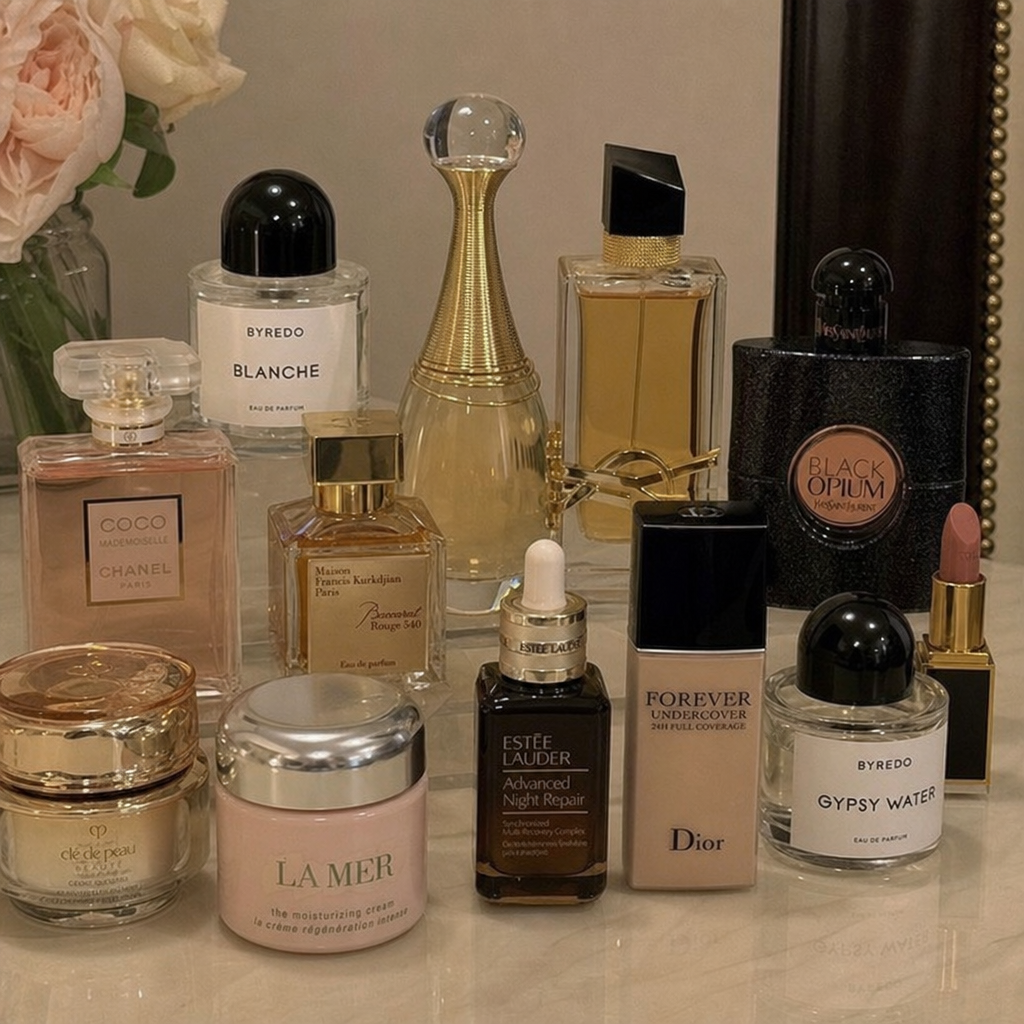
If you are formulating cosmetics, crafting fine fragrances, or manufacturing personal care items, choosing the right solvent is a critical decision. Among the many options available, one specific grade of alcohol stands out as the industry standard. Welcome to our comprehensive manual on Denatured Ethanol SDA 40B: composition, approved uses, cosmetics and personal care applications, and a bulk buyer guide.

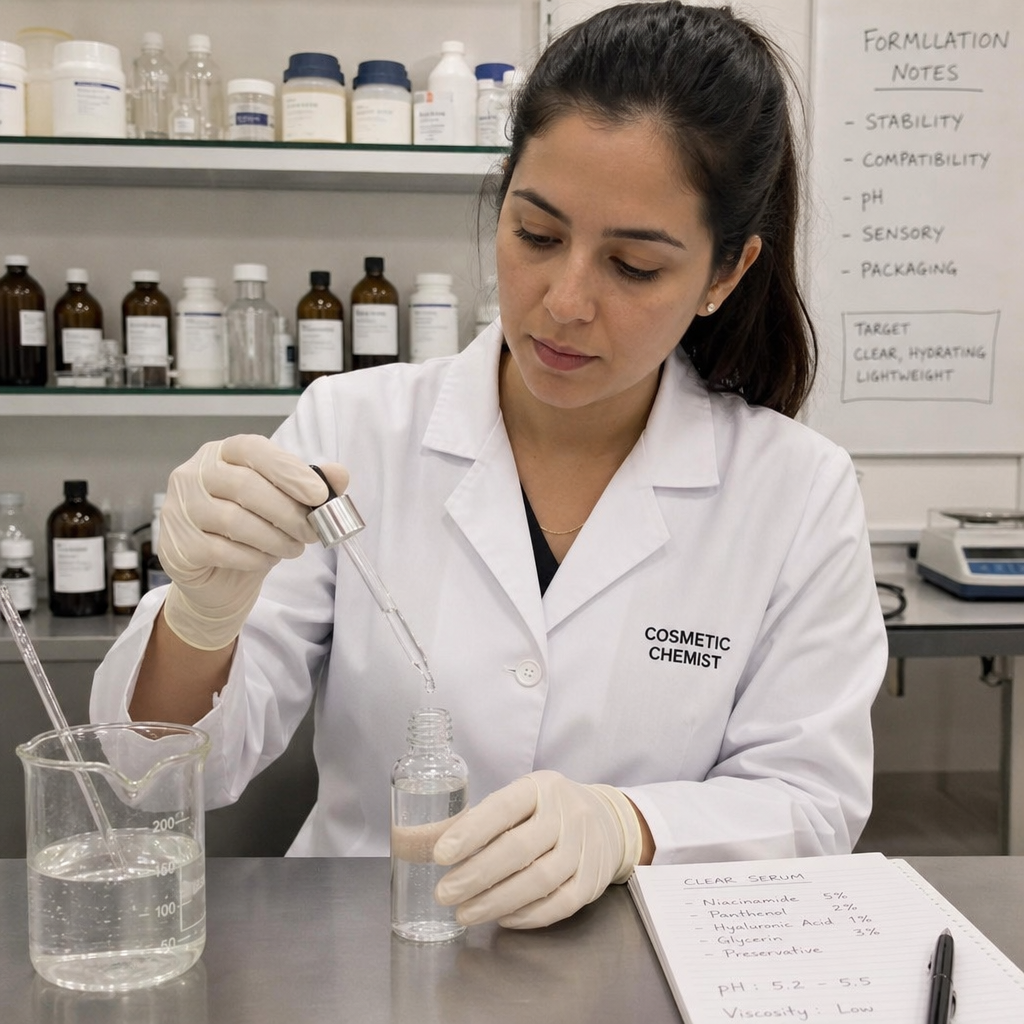
Whether you are a seasoned cosmetic chemist or a scaling business looking to optimize your supply chain, understanding the intricacies of this versatile ingredient is essential. Let’s dive into what makes this solvent a staple in manufacturing.

What is Denatured Ethanol SDA 40B?

At its core, denatured alcohol is standard ethanol that has been modified with additives (denaturants) to make it unfit for human consumption. This process exempts the alcohol from the heavy excise taxes typically applied to liquor. Denatured ethanol SDA 40B (Specially Denatured Alcohol 40B) is a highly specific, government-regulated formulation prized for its minimal odor and high purity.

The SDA 40B Denaturants Composition

What exactly goes into this specialized blend? The SDA 40B denaturants composition is strictly defined. To every 100 gallons of pure ethanol, manufacturers must add:

  • 1/8 of an ounce of denatonium benzoate
  • 1/8 of a gallon of tert-butyl alcohol (TBA)

The use of denatonium benzoate in personal care products is strategic. Recognized as one of the most bitter chemical compounds known, just a microscopic amount ensures the product is unpalatable, successfully deterring accidental ingestion without altering the chemical performance of the denatured ethanol.

Specially Denatured Alcohol vs Isopropyl Alcohol

Many formulators weigh specially denatured alcohol vs isopropyl alcohol (rubbing alcohol). While isopropyl alcohol is cheaper and widely used as an antiseptic, it carries a strong, harsh odor. SDA 40B, on the other hand, is practically odorless once it dries. This makes SDA 40B vastly superior for products where scent profile and a lightweight, premium feel are paramount.

Approved Uses and Cosmetic Applications

From daily hygiene products to luxury perfumes, SDA 40B is an invisible workhorse. But how exactly is it applied across the personal care spectrum?

Fragrances and Perfumery

sda-40b-perfume-fragrance-cosmetics Denatured Ethanol SDA 40B: Composition, Approved Uses, Cosmetics and Personal Care Applications, and Bulk Buyer Guide

If you have ever wondered why SDA 40B is preferred for fragrances, the answer lies in its olfactory neutrality. Because the denaturants (TBA and denatonium benzoate) are virtually scentless, they do not clash with delicate essential oils or synthetic aroma chemicals. This allows the true notes of a perfume to shine through brilliantly.

Skincare and Cosmetics

sda-40b-perfume-fragrance-cosmetics Denatured Ethanol SDA 40B: Composition, Approved Uses, Cosmetics and Personal Care Applications, and Bulk Buyer Guide

A common question among consumers and new formulators is whether SDA 40B is safe for skin. The short answer is yes. When used in properly balanced formulations, it acts as an excellent astringent, solvent, and delivery system for active ingredients. It evaporates rapidly, creating a weightless finish on the skin.

Haircare Formulations

There are numerous Specially Denatured Alcohol 40B applications in haircare. It is the primary volatile solvent in aerosol hairsprays, dry shampoos, and volumizing mousses. It dissolves styling polymers efficiently and evaporates in seconds, locking hairstyles in place without leaving the hair feeling wet or heavy.

Sanitizers and Antiseptics

The benefits of using denatured alcohol in sanitizers cannot be overstated. It provides broad-spectrum antimicrobial properties, rapidly destroying bacteria and viruses on contact. Unlike some alternative solvents, SDA 40B evaporates cleanly, preventing that undesirable sticky residue often left behind by lower-grade sanitizer gels.

Navigating Formulation Choices

When sourcing your ingredients, you will encounter a few critical variations of SDA 40B. Choosing the right one depends entirely on your end product.

SDA 40B 200 Proof vs 190 Proof

Understanding the difference between SDA 40B 200 proof vs 190 proof is vital for cosmetic chemistry:

  • 200 Proof (Absolute): Contains 100% alcohol (aside from denaturants) and 0% water. It is ideal for anhydrous (water-free) formulations, such as aerosol sprays and specific botanical extractions.
  • 190 Proof: Contains roughly 95% alcohol and 5% water. This is the most common choice for perfumes, room sprays, and general cosmetics, as the slight water content actually helps to open up fragrance notes.

Organic Alternatives

For brands targeting the clean beauty market, you aren’t limited to conventional synthetic options. You can now source organic ethanol for cosmetic formulation. By using certified organic cane or corn ethanol as the base before the standard SDA 40B denaturing process, brands can maintain their eco-friendly, natural label claims while still benefiting from top-tier solvent performance.

Bulk Buyer Guide: Sourcing, Compliance, and Storage

Transitioning from lab-scale formulation to commercial manufacturing requires a solid understanding of logistics, regulations, and safety. Here is your checklist for bulk purchasing.

sda-40b-perfume-fragrance-cosmetics Denatured Ethanol SDA 40B: Composition, Approved Uses, Cosmetics and Personal Care Applications, and Bulk Buyer Guide

Sourcing High-Quality Suppliers

When you are ready to scale, partnering with reliable perfume grade alcohol bulk suppliers is non-negotiable. Sourcing high-purity ethanol for personal care ensures your final products remain consistent, free from unwanted impurities, and perfectly clear. Always request a Certificate of Analysis (COA) before purchasing a drum or tote.

Regulatory Compliance and Taxes

Dealing with alcohol requires strict adherence to federal laws. Familiarize yourself with the TTB regulations for specially denatured alcohol (Alcohol and Tobacco Tax and Trade Bureau). Depending on your purchase volume, you may need to apply for an industrial alcohol user permit.

The primary financial advantage here is the industrial ethanol tax exemption for manufacturing. Because SDA 40B is chemically altered to prevent consumption, your business avoids the astronomical excise taxes applied to beverage alcohol, keeping your production costs manageable.

Safety and Storage Protocol

Ethanol is highly flammable, meaning facility safety is paramount. If you are wondering how to store bulk ethanol safely, follow these core guidelines:

  • Temperature Control: Store in a cool, well-ventilated environment away from direct sunlight or heat sources.
  • Grounding: Ensure all bulk drums and transfer pumps are properly grounded to prevent static sparks.
  • Containment: Use secondary containment pallets to catch any accidental spills.

Finally, never overlook your Ethanol SDA 40B SDS requirements. The Safety Data Sheet (SDS) must be easily accessible to all employees handling the chemical. It outlines emergency first aid, firefighting measures, and proper PPE, ensuring you remain fully compliant with OSHA regulations.

Conclusion

Mastering the use of denatured ethanol is a rite of passage for any successful personal care manufacturer. From its odorless denaturant profile that makes it the darling of the fragrance world, to its rapid-drying properties in haircare, SDA 40B is a truly indispensable solvent. By understanding the chemical composition, choosing the right proof, and adhering strictly to bulk storage and TTB guidelines, you can ensure your manufacturing process is safe, compliant, and cost-effective.

The regulation behind SDA 40B

SDA 40B is defined in the TTB’s denatured alcohol formulas at 27 CFR Part 21 — denatured with tert-butyl alcohol and Bitrex (denatonium benzoate), which keeps the odor profile clean enough for personal care and cosmetic work while removing beverage excise tax from the price. Buyers using SDA formulas need a TTB specially denatured alcohol permit; details are in the TTB SDA user requirements. We supply SDA 40B with the compliance paperwork handled and can advise whether a CDA formula would cover your use without a permit.

If a specially denatured formula doesn’t fit your process, compare CDA 12A or see our guide to buying denatured alcohol in bulk.

Login / Register