Headquartered in Pittsburgh, Pennsylvania Call us: 888-255-2401

What Is Propylene Glycol Used For?

What is propylene glycol used for?

Propylene glycol (CAS 57-55-6) is used as a humectant, solvent, and carrier in food, pharmaceuticals, and cosmetics, and as a low-toxicity antifreeze and heat-transfer fluid in HVAC, deicing, and industrial systems. Because it is FDA-recognized as GRAS (generally recognized as safe) and available in USP, food, and technical grades, it appears in everything from processed foods to injectable medicines to engine coolants.

That versatility comes from a rare combination of traits: it dissolves both water- and oil-based ingredients, holds moisture, resists freezing, and has low toxicity. Below is a breakdown of where propylene glycol (PG) actually gets used, by industry, and how the grade you choose depends on the application.

What are the main uses of propylene glycol by industry?

Propylene glycol’s roles fall into two broad buckets: it either carries and preserves other ingredients (as a solvent and humectant) or manages heat and freezing (as a glycol coolant). The table maps the most common applications to the grade typically specified.

Industry What propylene glycol does Typical grade
Food & beverage Humectant, flavor/color carrier, moisture retention USP / food grade
Pharmaceutical Solvent and excipient in oral, topical, and injectable products USP grade
Cosmetics & personal care Humectant and carrier in lotions, deodorants, makeup USP / food grade
E-liquid / vapor Aerosol base fluid USP grade
HVAC & process cooling Non-toxic antifreeze and heat-transfer fluid Industrial / inhibited
Aircraft & pavement deicing Freeze-point depressant in deicing fluids Industrial grade
Plastics & resins Reactant in unsaturated polyester resins Technical grade
Antifreeze (food-safe systems) Coolant where toxicity matters (e.g., near food) Industrial grade

Grade guidance is general; confirm the specification required by your process and regulator.

Why is propylene glycol used in food?

Propylene glycol is an FDA-approved food additive used as a humectant, solvent, and preservative — it keeps baked goods and processed foods moist, dissolves flavors and colors so they distribute evenly, and helps extend shelf life. It is recognized as GRAS for many food uses. Food and beverage applications require USP or food-grade PG, not technical grade.

Why is propylene glycol used in pharmaceuticals and cosmetics?

In pharmaceuticals, propylene glycol is a workhorse solvent and excipient that dissolves active ingredients and stabilizes oral, topical, injectable, and ophthalmic products — it is a common carrier in lubricating eye drops — supporting consistent dosing. In cosmetics and personal care, propylene glycol is one of the most widely used humectants: it draws and holds moisture in lotions, creams, deodorants, makeup, and hair-care products, while its solvency carries fragrances and actives. Both uses call for USP-grade material.

Why is propylene glycol used as a humectant in skin and hair care?

A humectant attracts water and holds it in place, and propylene glycol does this while also thinning formulas and dissolving other ingredients. In skin care it keeps lotions and creams from drying out and improves spreadability; in hair care it helps conditioners and styling products retain moisture and stay stable. Its low toxicity and skin compatibility are why it appears so widely on personal-care ingredient lists.

Is propylene glycol a good antifreeze?

Yes — propylene glycol is the low-toxicity alternative to ethylene glycol antifreeze, which makes it the standard choice for HVAC loops, food-processing cooling, breweries, solar thermal systems, and aircraft/pavement deicing, where a leak or overspray could contact people, food, or the environment. It depresses the freezing point and transfers heat effectively, usually as an inhibited industrial-grade blend for corrosion protection.

Propylene glycol vs. ethylene glycol: what’s the difference?

Both are glycols used as antifreeze, but ethylene glycol is toxic if ingested, while propylene glycol has low toxicity and is food-safe in appropriate grades. Ethylene glycol offers slightly better heat transfer at lower cost; propylene glycol is chosen wherever toxicity, food contact, or environmental exposure is a concern.

What are the key properties of propylene glycol?

Property Value
CAS number 57-55-6
Chemical formula C₃H₈O₂
Molecular weight 76.09 g/mol
Boiling point 188°C (370°F)
Density 1.036 g/cm³
Flash point 99°C (210°F)
Viscosity ~48–59 cP (mPa·s) at 25°C — noticeably syrupy
Appearance Clear, colorless, nearly odorless liquid
Solubility Fully miscible with water

Verify against the current SDS and PubChem entry for propylene glycol (CID 1030).

What grades and sizes of propylene glycol does RightPath stock?

RightPath Industries supplies propylene glycol (CAS 57-55-6) in USP, food, and technical grades, so you can match the exact specification your application and regulator require. We fill from small packaging through rail car, with lot control available for tightly controlled processes.

Packaging Typical use
Small pack Lab / low volume
55-gallon drums Standard supply
275-gallon totes (IBC) Higher-throughput use
Tank truck Bulk manufacturing
Rail car Large-scale continuous supply

See the full propylene glycol product page and browse related glycols in our catalog.

How do you order propylene glycol from RightPath?

Request a quote through the RightPath pricing form, call 888-255-2401, or email sales@rightpathind.com. Specify the grade (USP, food, or technical), packaging, and quantity, and we will cross-reference your current material, confirm availability, and can sequester and lot-control stock at one of our three U.S. warehouses for just-in-time delivery.

Request bulk pricing: Get a propylene glycol quote →

Frequently asked questions

Is propylene glycol safe?

Propylene glycol has low toxicity and is FDA-recognized as GRAS for many food uses, which is why it appears in food, pharmaceuticals, and cosmetics. Safety depends on using the correct grade (USP or food grade) for consumable applications and following the SDS for handling.

What is the difference between USP and technical grade propylene glycol?

USP grade meets United States Pharmacopeia purity specifications for food, pharmaceutical, and cosmetic use. Technical (industrial) grade is intended for non-consumable applications such as antifreeze, deicing, and resins, and should not be used where food or pharmaceutical purity is required.

Is propylene glycol the same as ethylene glycol?

No. They are different glycols. Propylene glycol has low toxicity and is used where food safety matters, while ethylene glycol is toxic if ingested and used mainly in automotive antifreeze.

What is propylene glycol used for in e-liquids?

Propylene glycol serves as an aerosol base fluid in e-liquids, carrying flavor and producing vapor. USP-grade PG is used for this application.

Does propylene glycol freeze?

Pure propylene glycol has a low freezing point and, when blended with water, sharply depresses the freezing point of the mixture, which is why it is used as antifreeze and in deicing and cooling systems.

What is the difference between propylene glycol and glycerin?

Both are humectants used in food, pharma, and cosmetics, but they are different molecules. Glycerin (glycerol) is thicker and sweeter and is often preferred in food and some skin care; propylene glycol is thinner, a stronger solvent, and better at carrying flavors and actives. Formulators often choose based on viscosity, solvency, and mouthfeel.

Where can I find the propylene glycol SDS?

RightPath provides a Safety Data Sheet with every propylene glycol order, covering handling, storage, and disposal for the specific grade you buy. Request it with your quote, and always follow the SDS rather than generic figures.


Sources & links: Propylene glycol product page · Glycols category · External authority: PubChem — Propylene glycol (CID 1030)

Ethylene Glycol Safety and Properties: Industrial Buyer’s Guide

Ethylene glycol is a vital chemical in many industries. It is known for its versatility and effectiveness. Industrial buyers often seek it for its unique properties.

This colorless, odorless liquid is used in antifreeze and heat transfer applications. Its high boiling point and low freezing point make it ideal. However, ethylene glycol safety is a major concern for any facility handling it.

Ethylene glycol is toxic if ingested. It can cause severe health issues, including kidney failure. Proper handling and storage are crucial to prevent accidents.

Personal protective equipment (PPE) is essential when dealing with ethylene glycol. Gloves and goggles are recommended to avoid exposure. Safety measures should be a priority.

Industrial buyers must understand the chemical’s properties and applications. This knowledge ensures informed purchasing decisions. It also helps in maintaining safety standards.

Environmental impact is another consideration. Ethylene glycol can harm aquatic life if not managed properly. Buyers should be aware of disposal regulations.

This guide aims to educate industrial buyers. It covers safety measures, properties, and applications of ethylene glycol. Making informed decisions is key to safe and effective use.

Understanding Ethylene Glycol: Key Properties and Industrial Uses

Ethylene glycol is a remarkable chemical with diverse industrial uses. Its adaptability makes it a popular choice across various sectors. Knowing its key properties helps in understanding its widespread application.

This chemical is favored for its thermal properties. It remains stable across a wide range of temperatures. This makes it highly effective in heat transfer fluids and antifreeze formulations.

One of the critical attributes of ethylene glycol is its miscibility with water. This feature aids in creating solutions that are effective in different environments. It is often a preferred choice in cooling systems due to this property.

Industries such as automotive, textiles, and manufacturing rely heavily on ethylene glycol. Its ability to lower the freezing point of water is particularly beneficial. It ensures systems operate smoothly even in freezing conditions.

ethylene-glycol-cooling-systems Ethylene Glycol Safety and Properties: Industrial Buyer’s Guide
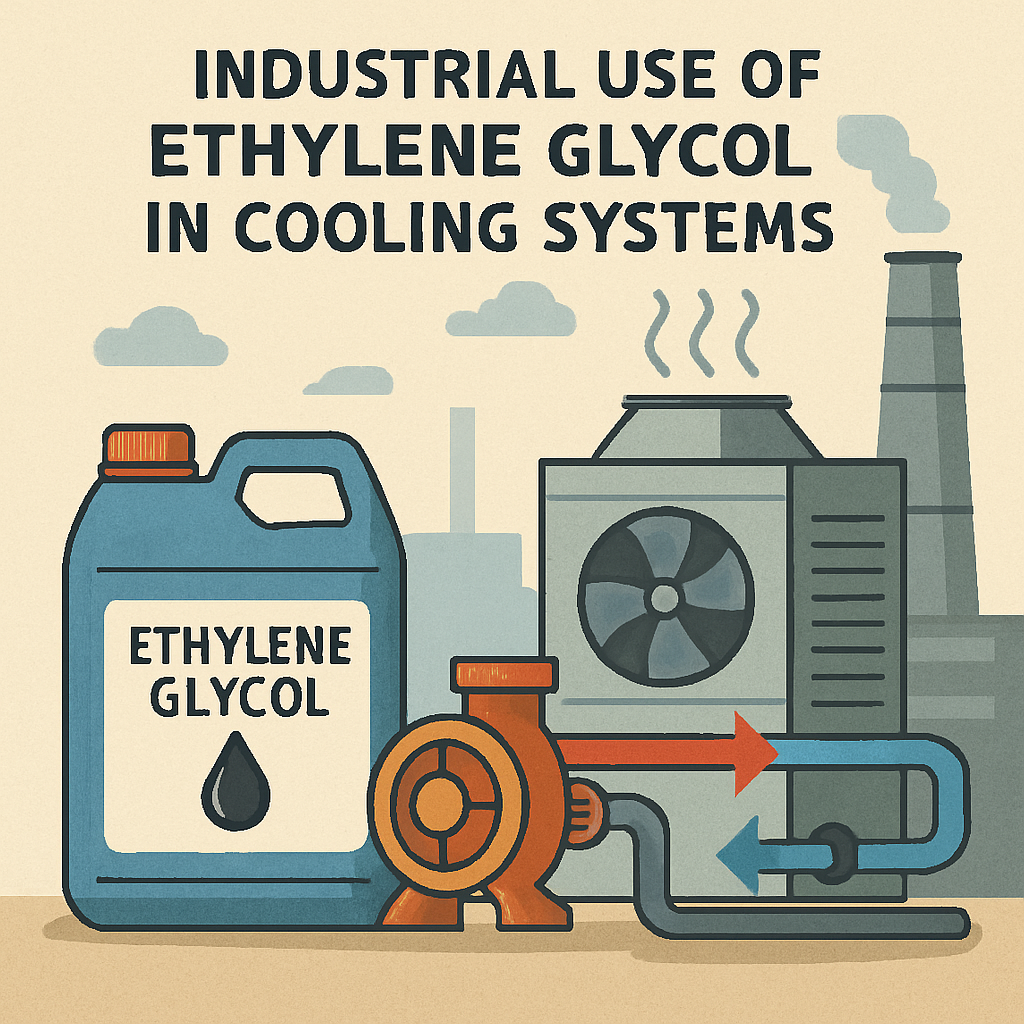
Industrial Use of Ethylene Glycol in Cooling Systems

Ethylene glycol roles expand into the production of polyester fibers and resins. It plays a key part in producing polyethylene terephthalate (PET) plastics. This plastic is commonly used in beverage bottles and packaging materials.

For industrial buyers, understanding the applications of ethylene glycol is crucial. Below are some notable applications:

  • Coolants and antifreeze in automotive engines
  • De-icing solutions for aircraft and runways
  • Heat transfer fluids in HVAC and solar energy systems
  • Production of polyester fibers and PET plastics

Its presence in everyday products highlights its importance. Whether in coolants or fibers, ethylene glycol is integral to various industries. Industrial buyers must assess the specific needs of their operations when considering its use.

Recognizing the versatility of ethylene glycol allows industries to optimize processes. Each application taps into its distinct properties. This knowledge is vital for effective and safe chemical use.

Chemical and Physical Properties of Ethylene Glycol

Ethylene glycol is both colorless and odorless, with a syrupy texture. Its chemical formula is C2H6O2, and it boasts a high boiling point. These properties make it essential in many industrial processes.

The substance high boiling point and low freezing point make it especially useful. Its liquid state persists across diverse temperature ranges, which aids in systems prone to extreme conditions. This feature is critical for its role in antifreeze solutions and other thermal management applications.

A significant property of ethylene glycol is its complete miscibility with water. This characteristic enhances its versatility. Solutions using ethylene glycol benefit from consistent distribution within systems.

Ethylene glycol is hygroscopic, meaning it absorbs moisture from the air. This quality requires careful storage conditions to maintain its effectiveness. Without proper management, its functionality can diminish over time.

Key physical and chemical properties include:

  • Boiling point: 197.3 deg C (387.1 deg F)
  • Freezing point: -12.9 deg C (8.8 deg F)
  • Miscibility: Fully miscible with water
  • Density: Approximately 1.11 g/cm3 at 20 deg C (68 deg F)
ethylene-glycol-cooling-systems Ethylene Glycol Safety and Properties: Industrial Buyer’s Guide
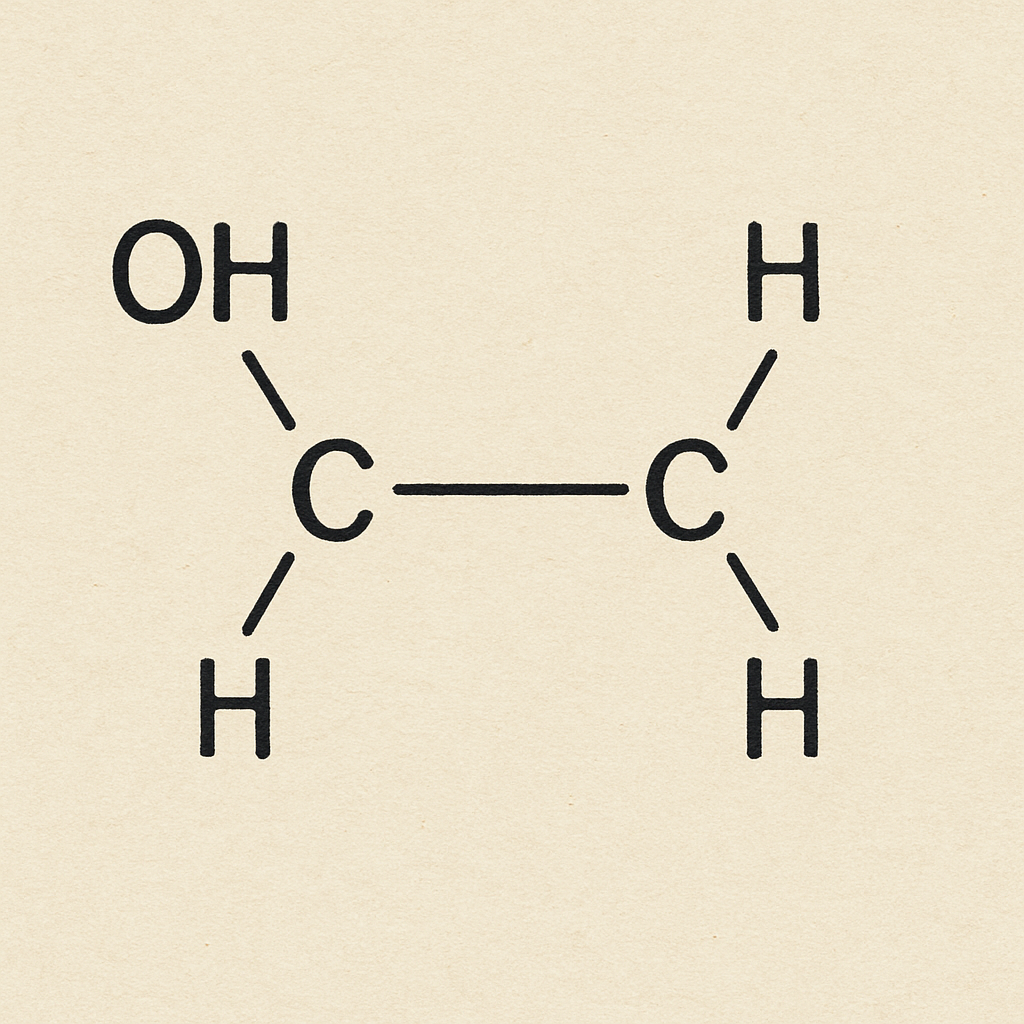
Molecular Structure of Ethylene Glycol

Despite its valuable properties, ethylene glycol is toxic. Ingestion or improper handling poses significant health risks. Therefore, industrial buyers need to handle it with utmost care, ensuring they follow recommended safety practices.

Understanding these properties assists industrial buyers in making informed decisions. It helps tailor the application and handling of ethylene glycol to specific industrial needs and safety standards.

Common Industrial Applications of Ethylene Glycol

Ethylene glycol serves crucial roles in various industries due to its versatile properties. It is a primary component in antifreeze and coolant solutions, essential for maintaining engine temperatures.

In the textiles industry, ethylene glycol aids in the production of polyester fibers and resins. These materials are staples in clothing, packaging, and plastic bottle manufacturing, representing its pivotal industrial presence.

The chemical is also integral to de-icing operations for aircraft and runways. Its efficacy in freezing weather ensures safety and operational continuity in aviation. Furthermore, ethylene glycol is used in some HVAC systems, enhancing heat transfer efficiency.

Significant industrial applications of ethylene glycol include:

  • Automotive industry: coolants and antifreezes
  • Textiles: polyester fiber production
  • Aviation: de-icing agents
  • HVAC systems: heat transfer fluids

Its applications extend into the chemical industry as a key ingredient in polyester manufacturing. Additionally, ethylene glycol is a common solvent and raw material for various industrial syntheses.

This widespread use underscores the importance of understanding its properties and ensuring safe handling practices in each application.

Health and Environmental Hazards of Ethylene Glycol

Ethylene glycol is beneficial industrially, but it is not without risks. Its toxicity poses significant health hazards if not handled carefully. Ingestion of even small amounts can lead to serious medical issues including kidney failure.

Inhalation of ethylene glycol vapors can result in respiratory irritation. If workers are consistently exposed, it may cause chronic health problems.

Contact with skin can cause irritation. Prolonged exposure might lead to more severe reactions, emphasizing the need for protective measures in all handling situations.

From an environmental perspective, ethylene glycol is particularly hazardous. If released into waterways, it can severely affect aquatic life, disrupting ecosystems.

The chemical sweet taste can attract animals and children. This increases the risk of accidental poisoning, making secure storage imperative.

Key health and environmental risks include:

  • Toxicity causing kidney failure upon ingestion
  • Respiratory irritation from inhalation
  • Skin irritation from direct contact
  • Ecological impact if released into waterways
  • Attractiveness to pets and children due to its sweet taste

Given these hazards, industrial buyers need awareness and diligence. Proper training and safety protocols are crucial in preventing accidents and ensuring environmental protection.

Safe Handling and Personal Protective Equipment (PPE) Guidelines

Safe handling of ethylene glycol is crucial for minimizing risks. Industrial facilities must prioritize safety by adhering to established guidelines. This involves using appropriate personal protective equipment (PPE).

First, wearing gloves is vital to prevent skin contact. Ethylene glycol can irritate the skin, so protective gloves form a necessary barrier. Adequate eye protection, such as goggles, is also essential to shield against accidental splashes.

Beyond gloves and goggles, ensure respiratory protection in areas with low ventilation. Masks and respirators help mitigate inhalation risks, especially in confined spaces.

Always provide training on PPE usage for all staff. Proper use and maintenance of equipment enhance safety and prevent health issues. Frequent drills and refreshers are beneficial in keeping the team sharp.

When handling ethylene glycol, remember these PPE essentials:

  • Gloves to prevent skin contact
  • Goggles for eye protection
  • Respiratory masks for inhalation prevention

By following these PPE guidelines, you actively reduce risk factors and foster a safe working environment.

Storage, Transportation, and Spill Containment Best Practices

Proper storage and transportation of ethylene glycol are crucial to safety and efficiency. Industrial buyers must prioritize these elements to prevent accidents and environmental harm.

Ethylene glycol should be stored in cool, dry areas. Containers must be tightly sealed to prevent leaks and contamination. Keeping storage areas well-ventilated reduces the risk of vapor accumulation.

Transportation needs to comply with hazardous material regulations. Ensure carriers are trained and aware of these guidelines. Transporting ethylene glycol in approved containers minimizes risks during transit.

Spill containment is another essential aspect of handling ethylene glycol. Immediate action can prevent environmental and safety hazards. Have spill kits readily available and train staff in their use.

For effective storage and transportation, consider these best practices:

  • Store in labeled, sealed containers
  • Maintain a well-ventilated storage environment
  • Use approved transport methods and containers
  • Equip sites with spill response kits

Implementing these practices enhances safety and aligns with compliance standards. Regular audits and checks ensure these measures remain effective.

Regulatory Compliance and Safety Data Sheets (SDS)

Industrial buyers must prioritize regulatory compliance when dealing with ethylene glycol. Adhering to safety standards is not just a legal obligation but a safety imperative.

Safety Data Sheets (SDS) are a critical component of regulatory compliance. These documents provide detailed information about the chemical properties and hazards. They also include guidelines on safe handling, storage, and emergency response.

Industrial buyers should obtain SDS from their suppliers. Reviewing these sheets provides insights into potential risks and preventive measures.

Key elements found in an SDS include:

  • Hazards identification
  • Handling and storage guidelines
  • Exposure control measures
  • Personal protective equipment recommendations

Staying updated with regulations and ensuring employees understand SDS details is vital.

Monitoring, Testing, and Quality Control in Industrial Settings

Maintaining high standards of monitoring, testing, and quality control is paramount in industrial settings using ethylene glycol. Consistent evaluation ensures that the chemical performs its intended functions effectively and safely.

Regular testing of ethylene glycol is essential to gauge its purity and concentration. Such testing helps in preventing system failures or inefficiencies. Industrial buyers should set up a routine testing schedule tailored to their specific needs and systems.

Quality control measures should include checks for system leaks and contamination. Identifying early signs of leaks or impurities can prevent costly damages.

Here are some recommended practices for quality control:

  • Routine analysis of ethylene glycol purity
  • Regular inspection of storage tanks and systems
  • Scheduled maintenance checks to prevent leaks
  • Documentation of all testing and maintenance activities

By focusing on these aspects, industrial buyers can ensure efficient and effective use of ethylene glycol.

Environmental Impact, Disposal, and Sustainability Considerations

The environmental impact of ethylene glycol must be considered in any industrial application. Its release into waterways can harm aquatic life and disrupt ecosystems. Industrial buyers should actively work to minimize spills and accidental releases.

Proper disposal methods are crucial to mitigating environmental harm. Ethylene glycol should be disposed of according to local regulations and guidelines.

Sustainability considerations are becoming increasingly important in industries using ethylene glycol. Buyers should consider the entire lifecycle of the chemical, from production to disposal. Opting for recyclable and reusable glycol can significantly reduce environmental footprints.

Industrial buyers should adopt the following sustainability practices:

  • Evaluate suppliers environmental credentials
  • Implement recycling programs for glycol waste
  • Employ spill prevention and response plans
  • Encourage employee training on sustainable practices

By adopting these sustainability measures, industrial buyers can protect the environment while benefiting from the versatile properties of ethylene glycol. A focus on sustainability supports corporate responsibility and compliance with environmental standards.

Where to Buy Ethylene Glycol in Bulk

RightPath Industries supplies ethylene glycol in bulk quantities for industrial and manufacturing buyers across the United States. We offer competitive pricing, reliable logistics, and full documentation including Safety Data Sheets and Certificates of Analysis. Contact our team for a quote on drums, totes, or tanker loads of industrial-grade or USP-grade ethylene glycol.

Key Takeaways for Industrial Buyers

Understanding the full scope of ethylene glycol properties and applications is essential for industrial buyers. This knowledge ensures safe and efficient use across various sectors.

Safety remains a top priority, considering the chemical potential hazards. Buyers must prioritize proper handling, storage, and use of protective equipment.

Consider these key points for effective decision-making:

  • Regularly review safety data sheets (SDS).
  • Ensure compliance with local and international regulations.
  • Invest in employee training for safe handling practices.
  • Choose reputable suppliers for quality assurance.
  • Implement sustainability practices in chemical management.

Through diligent planning and awareness, industrial buyers can maximize the benefits of ethylene glycol while upholding safety and environmental integrity. These steps build a foundation for responsible chemical usage in industrial operations.

Login / Register