Headquartered in Pittsburgh, PennsylvaniaCall us: 888-255-2401
Where to Buy Propylene Glycol in Bulk: Industrial Supplier and Purchasing Guide
Propylene glycol is a versatile chemical used across many industries. From food to pharmaceuticals, its applications are vast and varied.
Buying propylene glycol in bulk can offer significant cost savings. However, finding a reliable supplier is crucial for quality and consistency.
This guide will help you navigate the process of purchasing propylene glycol in bulk. Discover how to identify trustworthy suppliers and make informed decisions.
Understanding Propylene Glycol and Its Industrial Uses
Propylene glycol is known for its versatility. It serves various roles across different sectors.
In the food industry, it acts as a preservative and solvent. Its use in cosmetics and pharmaceuticals is equally significant.
Key applications include:
Solvent in food flavorings
Moisturizer in cosmetics
Stabilizer in pharmaceuticals
These diverse uses underline its importance. Understanding its applications can aid in selecting the right supplier.
Benefits of Bulk Purchasing Propylene Glycol
Buying propylene glycol in bulk can lead to significant savings. Businesses can negotiate better terms. This approach enhances cost efficiency and operational flexibility.
Key benefits include:
Lower unit costs
Flexible payment terms
Efficient inventory management
These advantages make bulk purchasing an attractive option. Choosing reliable suppliers amplifies these benefits. Embrace bulk purchasing to optimize your chemical procurement strategy.
How to Identify Reliable Propylene Glycol Suppliers
Finding a reliable supplier requires careful consideration. Start by researching the supplier’s reputation. Check for positive customer reviews and testimonials.
Look for suppliers with industry certifications. These indicate commitment to quality and compliance with standards. A certified supplier guarantees product safety and purity.
Engage with suppliers to assess their customer service. Reliable suppliers provide technical support and clear communication channels. Ensure they can address your concerns promptly.
Consider the supplier’s logistical capabilities. Verify if they offer flexible shipping options and reliable delivery schedules. Consistent and timely deliveries are crucial for maintaining your production timelines.
Here’s how to identify a trustworthy supplier:
Verify customer reviews and reputation
Check industry certifications and compliance
Evaluate customer service and support
Assess logistical and delivery capabilities
These steps will help ensure you choose a dependable partner for your propylene glycol needs.
Key Factors to Consider When Buying Propylene Glycol in Bulk
When buying propylene glycol in bulk, several critical factors come into play. Evaluating these aspects can ensure a seamless purchasing experience and optimal product quality.
Firstly, examine the supplier’s pricing structure. Compare their rates with other suppliers to secure competitive pricing. Watch out for any hidden fees that might inflate costs unexpectedly.
Next, review the supplier’s quality assurance processes. A trustworthy supplier should have rigorous testing procedures to confirm product purity and specifications. This guarantees the propylene glycol meets industry standards.
Additionally, consider the supplier’s capacity to fulfill your demand consistently. Their supply chain robustness should prevent any potential disruptions. A stable supply is vital for uninterrupted production processes.
Focus on these key factors:
Supplier’s pricing and potential hidden fees
Quality assurance and product testing
Supply chain stability and fulfillment capacity
These factors are crucial for a cost-effective and reliable bulk purchase strategy.
Where to Find Industrial Propylene Glycol Suppliers
Finding reliable industrial suppliers for propylene glycol is crucial for large-scale procurement. Start by exploring online industry directories that list vetted suppliers. These directories often provide detailed information about supplier capabilities and customer reviews.
Trade shows and industry-specific exhibitions are also valuable resources. Such events offer an opportunity to meet suppliers face-to-face and assess their offerings directly. Establishing a personal connection can help in evaluating their trustworthiness.
Consider the following:
Online industry directories
Trade shows and exhibitions
Supplier reviews and testimonials
These avenues will help you identify and connect with reputable propylene glycol suppliers.
Final Tips for a Successful Propylene Glycol Bulk Purchase
Navigating the bulk purchase of propylene glycol demands careful planning. Start by assessing potential suppliers to ensure they align with your needs. Build a strong relationship for better leverage in price discussions.
Being informed about market trends can help optimize your purchasing timing. Regularly review supplier performance to maintain high standards.
Consider the following steps:
Assess supplier alignment
Review industry market trends
Maintain supplier relationships
These tips will help ensure a smooth and cost-effective procurement process.
Ethylene Glycol Safety and Properties: Industrial Buyer’s Guide
Ethylene glycol (C2H6O2) is a colorless, odorless liquid used in antifreeze, heat-transfer fluids, de-icing, and PET plastic production. It is effective, cheap, and toxic — ingestion of small amounts can cause kidney failure. This guide covers the properties, uses, hazards, and handling rules industrial buyers need.
What is ethylene glycol used for?
Ethylene glycol does two jobs better than almost anything at its price: it lowers the freezing point of water and raises its boiling point. That makes it the base fluid for engine coolant and closed-loop heat transfer. It is also a chemical feedstock — a large share of world demand goes into polyester fiber and PET bottle resin.
Coolants and antifreeze in automotive and stationary engines
De-icing solutions for aircraft and runways
Heat-transfer fluids in HVAC, chillers, and solar thermal systems
Polyester fiber and PET plastic production
Gas dehydration and industrial humectant applications
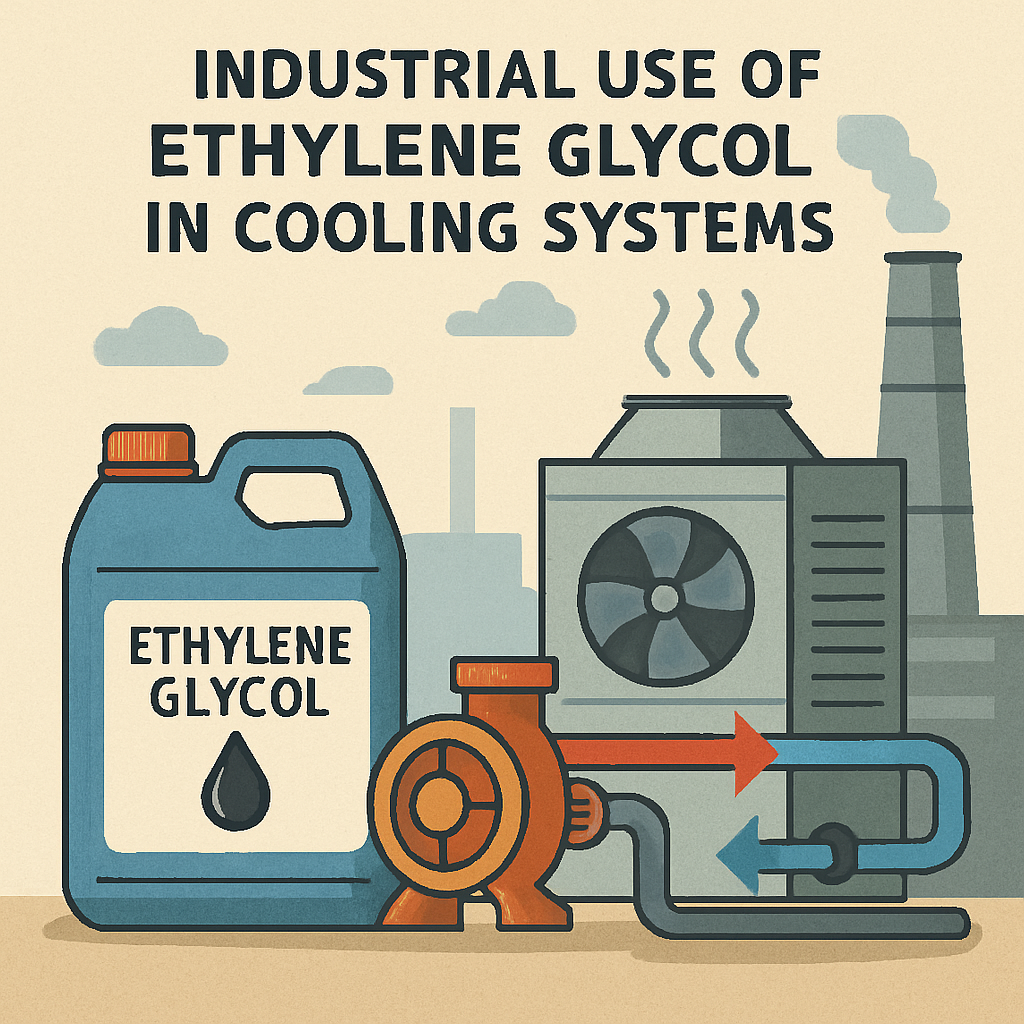
Industrial Use of Ethylene Glycol in Cooling Systems
Key properties of ethylene glycol
Chemical formula: C2H6O2 (CAS 107-21-1)
Boiling point: 197.3 deg C (387.1 deg F)
Freezing point: -12.9 deg C (8.8 deg F); lower in water blends
Density: approximately 1.11 g/cm3 at 20 deg C
Miscibility: fully miscible with water
Appearance: colorless, odorless, syrupy liquid with a sweet taste
Two of these properties matter for handling. Full water miscibility means spills spread fast and reach drains. The sweet taste attracts pets and children, which is why secure storage is non-negotiable. Ethylene glycol is also hygroscopic — it absorbs moisture from air — so containers must stay sealed to protect the material.
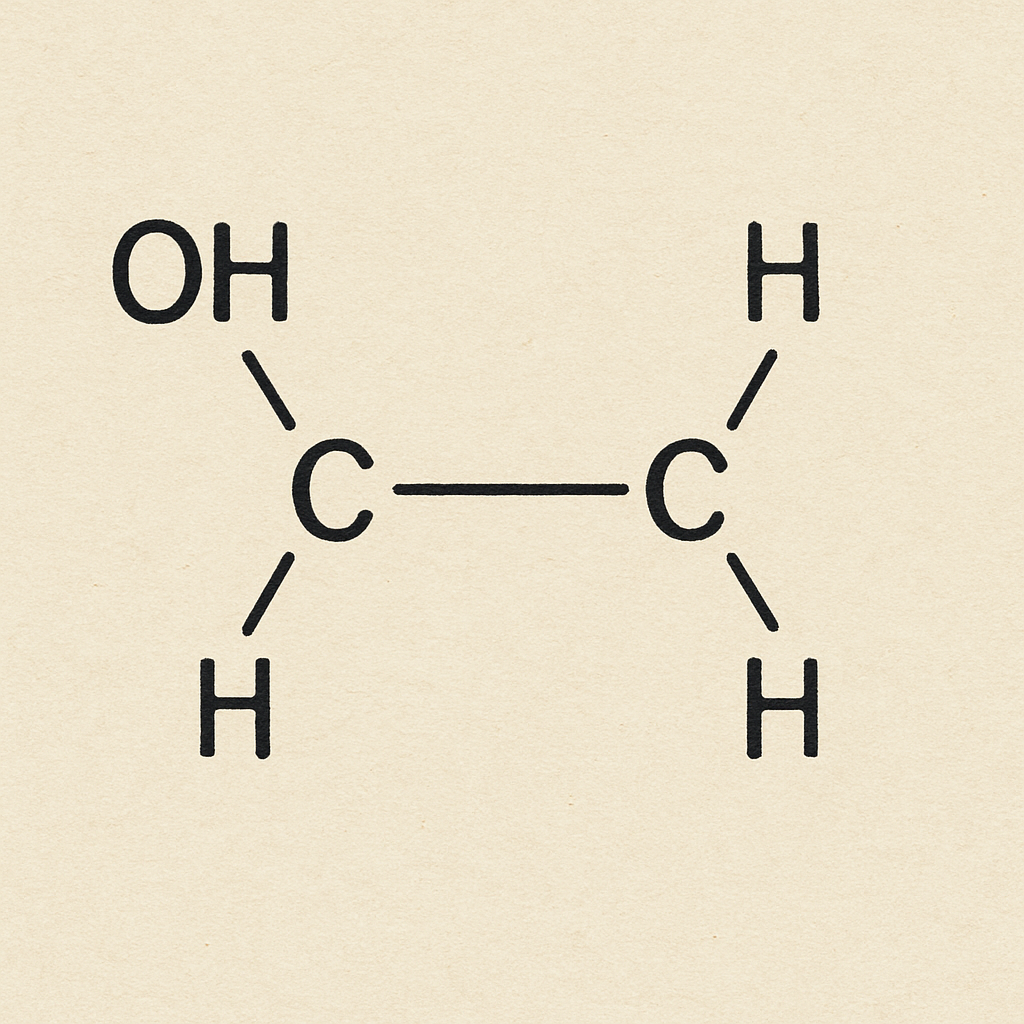
Molecular Structure of Ethylene Glycol
How toxic is ethylene glycol?
Very. The body metabolizes ethylene glycol into acids that attack the kidneys. Ingestion is the main hazard — small amounts can be fatal without treatment. Vapor exposure is a lower risk at room temperature, but heated or misted glycol irritates the respiratory tract. Skin contact causes irritation with prolonged exposure.
Ingestion: metabolic acidosis and kidney failure; medical emergency
Inhalation: respiratory irritation from vapors or mists
Skin and eyes: irritation on contact
Environment: harmful to aquatic life in waterways
Accidental poisoning: sweet taste attracts animals and children
For food-contact or incidental-exposure applications, do not use ethylene glycol at all. Substitute propylene glycol, which is FDA GRAS-listed — see our propylene glycol guide for the comparison.
Safe handling and PPE
Wear chemical-resistant gloves and goggles for all transfers
Use respiratory protection where glycol is heated, misted, or ventilation is poor
Train every handler on the SDS before first use, with periodic refreshers
Provide eyewash and quick-drench facilities in transfer areas
Storage, transport, and spills
Store in labeled, sealed containers in a cool, ventilated area, secured against access by children and animals
Keep spill kits staged where glycol is stored and transferred, and train staff on them
Contain spills immediately — glycol is water-miscible and reaches drains fast
Dispose of used glycol per local regulations; never to storm drains or waterways
Recycle where possible — reclaimed glycol programs cut cost and environmental footprint
Compliance and the SDS. Keep a current Safety Data Sheet for every glycol product on site — it is required under OSHA hazard communication, and it is where your team finds hazard identification, exposure controls, PPE requirements, and emergency response steps. Get the SDS from your supplier before the first delivery and review it during onboarding. Ours are in the RightPath SDS library.
Testing and quality control. Glycol degrades in service. Test concentration and pH on a routine schedule, inspect tanks and loops for leaks and contamination, and document results. Catching dilution or acidification early prevents corrosion damage and unplanned downtime.
Where to buy ethylene glycol in bulk. RightPath Industries supplies ethylene glycol and other glycols in drums, IBC totes, and tanker loads nationwide, in industrial and USP grades, with an SDS and Certificate of Analysis on every lot. See our bulk glycol supply program or request pricing for a same-day, all-in delivered quote.
Authoritative safety references. Ethylene glycol’s toxicity profile is well documented by federal agencies: the CDC’s ATSDR publishes a toxicological profile covering ingestion hazards and metabolic effects, and the NIOSH Pocket Guide entry lists exposure guidance and protective measures. For food-contact and incidental-exposure applications, propylene glycol — GRAS-listed by FDA — is the standard substitution; see our propylene glycol safety guide for the comparison.
Hexane: Properties, Uses, and Bulk Supply Guide
Hexane is a colorless, highly volatile, and flammable liquid hydrocarbon that quietly powers some of the largest manufacturing and food-processing industries in the world. From extracting cooking oil out of soybeans to formulating fast-drying adhesives and cleaning electronic components, n-hexane and hexane blends are the workhorse non-polar solvents of modern industry. For buyers sourcing hexane in bulk, understanding its grades, properties, and handling requirements is essential.
What Is Hexane?
Hexane is a six-carbon alkane (C6H14) — a straight-chain, saturated hydrocarbon belonging to the same family as propane, butane, and pentane. There are several structural isomers of hexane, but the most commercially important is n-hexane, the straight-chain isomer. “Commercial hexane” typically refers to a fraction distilled from crude oil or natural gas condensate containing primarily n-hexane along with smaller amounts of methylcyclopentane, 3-methylpentane, and other C6 hydrocarbons.
Hexane’s combination of low boiling point, non-polar character, and chemical inertness makes it ideal as an extraction and reaction solvent — you can dissolve oils, waxes, and resins in it, then evaporate it cleanly to recover the target product.
Key Physical and Chemical Properties of Hexane
Chemical formula: C6H14
Molecular weight: 86.18 g/mol
Appearance: Clear, colorless liquid
Odor: Mild, gasoline-like
Boiling point (n-hexane): 68.7 °C (155.7 °F)
Melting point: -95 °C (-139 °F)
Density: 0.659 g/cm³ at 20 °C
Flash point: -22 °C (-7.6 °F) — extremely flammable
Autoignition temperature: 225 °C (437 °F)
Vapor pressure: 17.6 kPa at 20 °C
Solubility in water: Practically insoluble (~9.5 mg/L)
Dipole moment: ~0 D (non-polar)
Hexane is lighter than water and floats. Its vapors are heavier than air and can travel along the ground to ignition sources, which is why static control, grounding, and ventilation are non-negotiable when handling it.
Major Industrial Uses of Hexane
1. Vegetable Oil and Botanical Extraction
By volume, the single largest use of hexane worldwide is the extraction of edible oils from oilseeds — soybeans, canola, sunflower, cottonseed, peanut, and corn germ. Hexane selectively dissolves the oil from crushed seeds; the solution is then heated to evaporate the hexane, leaving behind crude vegetable oil. The recovered hexane is condensed and reused. Hexane is also used to extract botanical oils, flavors, and active ingredients in pharmaceutical and nutraceutical manufacturing.
2. Adhesives, Sealants, and Coatings
Hexane is a primary solvent in fast-drying contact cements, rubber cements, leatherworking adhesives, footwear adhesives, and many spray formulations. Its low boiling point lets adhesives tack quickly without long drying times.
3. Industrial and Electronic Cleaning
Hexane removes greases, oils, waxes, and tars from metal parts, circuit boards, and tooling. It evaporates cleanly without residue, making it useful in precision cleaning operations and as a degreaser in manufacturing lines.
4. Laboratory Solvent and Reaction Medium
In chemistry labs, hexane is the non-polar solvent of choice for column chromatography, recrystallization, and as a reaction medium where water-sensitive chemistry must run in a strictly non-polar environment. HPLC-grade and reagent-grade hexane are specified for analytical work.
5. Polymerization and Polyolefin Production
Hexane is used as a reaction medium and diluent in the manufacture of polyethylene and polypropylene, particularly in slurry-phase polymerization processes.
Hexane Grades and Specifications
Commercial / Technical Hexane — typically 50–80% n-hexane with other C6 isomers; the workhorse grade for oil extraction and adhesives.
Food Grade (Extraction Solvent) Hexane — meets FDA 21 CFR 173.270 specifications for use in vegetable oil extraction, with controlled benzene and aromatic content.
n-Hexane 95%+ — higher-purity grade used where consistent solvent behavior is required.
HPLC Grade / Spectroscopic Grade — >99% n-hexane with very low UV absorbance and residue, for chromatography and instrumental analysis.
ACS Reagent Grade — meets American Chemical Society purity specifications for laboratory use.
Specifying the correct grade matters. Food-grade hexane in adhesives is a waste of money; commercial hexane in HPLC will destroy your column and your data.
Health, Safety, and Regulatory Notes
Hexane is more than just flammable — chronic inhalation exposure is a documented neurotoxin. The metabolite 2,5-hexanedione damages peripheral nerves, causing the classic “hexane neuropathy” — numbness, weakness, and motor deficits in the hands and feet that develop after months of exposure. Acute inhalation can cause dizziness, headache, nausea, and CNS depression.
OSHA PEL: 500 ppm (8-hour TWA) — currently under review, with NIOSH recommending 50 ppm.
ACGIH TLV: 50 ppm (8-hour TWA).
Flammability: Class IB flammable liquid (NFPA). Extremely flammable; vapors form explosive mixtures with air.
Store in tightly closed, properly labeled containers in a cool, well-ventilated, fire-rated area away from oxidizers and ignition sources.
Ground and bond all transfer equipment — hexane readily accumulates static electricity during transfer.
Use local exhaust ventilation; install vapor monitors and explosion-proof electrical equipment in storage and dispensing areas.
Provide chemical-resistant gloves (Viton, nitrile for short contact), splash goggles, and respiratory protection where vapors may exceed exposure limits.
Use dry chemical, CO2, alcohol-resistant foam, or water spray for fire suppression. Straight water streams will spread a hexane fire.
Hexane is a marine pollutant and DOT Hazard Class 3 (Flammable Liquid), UN1208 — ship and store per hazmat regulations.
Buying Hexane in Bulk
RightPath Industries supplies hexane in drums, totes, and tanker quantities, with documentation, COAs, and grade-specific spec sheets included. When evaluating a hexane supplier, confirm the following before placing an order:
Packaging options (drum, IDC tote, tanker) and lead time.
DOT/IMDG hazmat shipping documentation and emergency response support.
Recovery/recycle program availability if your process generates spent hexane.
Key Takeaways
Hexane (C6H14) is a non-polar, highly flammable C6 hydrocarbon — the workhorse extraction and cleaning solvent for vegetable oil, adhesives, electronics cleaning, and lab work.
Commercial vs. food-grade vs. HPLC-grade hexane differ significantly in purity and price; match the grade to your application.
Hexane is acutely flammable and chronically neurotoxic. Treat exposure limits, ventilation, and grounding as non-negotiable.
Bulk hexane ships as DOT Hazard Class 3 UN1208 and requires proper hazmat documentation and emergency response planning.
Sourcing decisions should focus on grade specification, lot-level COAs, and recovery/recycle support — not just unit price.
RightPath Industries supplies bulk hexane and a broad range of industrial solvents, glycols, and specialty chemicals. Contact our team for quotes, specs, and lead times.
Methanol: Properties, Toxicity, and Uses Explained
Methanol is one of the most widely used industrial chemicals in the world. Also called methyl alcohol or wood alcohol, it is the simplest member of the aliphatic alcohol family, with the chemical formula CH3OH. It is a colorless, volatile, flammable liquid with a faint, slightly sweet odor — and it is highly toxic to humans even in small amounts. For buyers in industries that depend on bulk solvents and fuels, understanding methanol’s properties, hazards, and applications is essential to handling it safely and using it effectively.
What Is Methanol?
Methanol (CH3OH) is the shortest-chain alcohol, consisting of a single methyl group bonded to a hydroxyl group. Historically it was produced by the destructive distillation of wood — hence the common name “wood alcohol” — but today it is manufactured at industrial scale from synthesis gas (a mixture of carbon monoxide and hydrogen) derived from natural gas. Methanol is fully miscible with water and most organic solvents, which makes it valuable as both a reactant and a solvent across the chemical industry.
Key Physical and Chemical Properties of Methanol
Chemical formula: CH3OH
Molecular weight: 32.04 g/mol
Appearance: Clear, colorless liquid
Odor: Faint, alcoholic, slightly sweet
Boiling point: 64.7 °C (148.5 °F)
Melting point: -97.6 °C (-143.7 °F)
Density: 0.792 g/cm³ at 20 °C
Flash point: 11 °C (52 °F) — highly flammable
Autoignition temperature: 470 °C (878 °F)
Vapor pressure: 13.02 kPa at 20 °C
Solubility: Fully miscible in water and most organic solvents
pKa: ~15.5 (very weakly acidic)
Methanol burns with a pale, almost invisible blue flame in daylight — a property that has historically made methanol fires especially dangerous. Its low viscosity, low boiling point, and high vapor pressure mean spills evaporate quickly and form flammable vapor clouds at room temperature.
Methanol Toxicity: Why It Is So Dangerous
Although methanol looks and smells similar to ethanol (drinking alcohol), it is acutely toxic. The danger lies not in methanol itself but in how the human body metabolizes it. In the liver, alcohol dehydrogenase converts methanol first to formaldehyde and then to formic acid. Formic acid accumulates in the body, causes severe metabolic acidosis, and directly damages the optic nerve and central nervous system.
As little as 10 mL of ingested methanol can cause permanent blindness.
30 mL or more can be fatal in adults.
Toxicity can also occur through skin absorption or inhalation of high vapor concentrations.
Symptoms — headache, nausea, vision changes, confusion — are often delayed 12 to 24 hours, by which point significant damage may already be done.
For this reason, OSHA sets the permissible exposure limit (PEL) for methanol at 200 ppm as an 8-hour time-weighted average. Industrial users must store methanol in clearly labeled, vented containers, provide appropriate PPE (chemical-resistant gloves, splash goggles, respirators where vapors may accumulate), and ensure ventilation in any space where methanol is handled.
Major Industrial Uses of Methanol
Methanol is one of the top-five global commodity chemicals by volume. The largest end uses fall into four broad categories:
1. Chemical Feedstock
The single largest use of methanol is as a building block for other chemicals. It is converted into formaldehyde (used in resins, plastics, and adhesives), acetic acid, methyl tert-butyl ether (MTBE), dimethyl ether (DME), and methyl methacrylate. These downstream products feed industries ranging from construction and automotive to textiles and packaging.
2. Fuel and Fuel Additive
Methanol is used directly as a motorsport fuel (particularly in IndyCar and drag racing), blended into gasoline to boost octane, and increasingly evaluated as a marine bunker fuel and clean hydrogen carrier. Methanol-to-gasoline (MTG) and methanol-to-olefins (MTO) processes also convert methanol into transport fuels and plastics precursors.
3. Solvent
Because of its polarity, low boiling point, and broad miscibility, methanol is a workhorse industrial solvent for paints and coatings, inks, dyes, adhesives, and pharmaceutical extraction. HPLC- and reagent-grade methanol are also essential to analytical laboratories worldwide.
4. Antifreeze, De-icing, and Gas Treatment
Methanol depresses the freezing point of water, making it useful in windshield washer fluid, automotive antifreeze, and natural gas pipeline hydrate inhibition, where it prevents ice plugs from forming in production lines.
Methanol Grades and Specifications
Industrial methanol is sold in several grades, each defined by purity and trace-impurity specifications:
IMPCA / Grade AA methanol — the global commodity standard, ≥99.85% purity, used for chemical synthesis and fuels.
ACS Reagent Grade — meets American Chemical Society purity specs for laboratory use.
HPLC Grade — ultra-low UV absorbance and minimal residue, for high-performance liquid chromatography.
USP / NF Grade — meets United States Pharmacopeia requirements for pharmaceutical applications.
Specifying the correct grade is critical: a chemistry application that depends on trace metal content or UV transparency will fail with general-purpose methanol, while paying for HPLC grade in a fuel-blending application wastes money.
Storage, Handling, and Safety
Store in tightly sealed, properly labeled containers away from heat, sparks, and open flame.
Use grounded and bonded transfer equipment — methanol can accumulate static electricity.
Provide adequate ventilation; install vapor monitors in storage areas.
Keep alcohol-resistant foam, CO2, or dry chemical extinguishers nearby. Water alone is ineffective on a methanol fire because methanol is miscible with water.
Train staff to recognize methanol exposure symptoms and have a clear emergency response plan.
Maintain current Safety Data Sheets (SDS) for every methanol product on site.
Buying Methanol in Bulk
RightPath Industries supplies industrial-grade methanol in drums, totes, and tanker quantities, with documentation, COAs, and grade-specific spec sheets included. When sourcing methanol, buyers should confirm grade, certificate of analysis, packaging, lead time, and DOT/hazmat shipping logistics with their supplier up front to avoid surprises at delivery.
If you need methanol for a specific process — synthesis, fuel blending, solvent recovery, lab use — talk to a supplier who can match the grade to your application and back it up with consistent supply.
Methanol (CH3OH) is the simplest alcohol — colorless, flammable, fully water-miscible, and acutely toxic if ingested or absorbed.
The four largest uses are chemical feedstock, fuel and fuel additive, industrial solvent, and antifreeze / gas-treatment chemistry.
Toxicity comes from the body metabolizing methanol into formic acid, which damages the optic nerve and CNS. As little as 10 mL ingested can cause blindness.
Grade selection (AA, ACS, HPLC, USP) should be matched to the application; using the wrong grade either wastes money or compromises results.
Safe handling requires sealed containers, ventilation, PPE, alcohol-resistant fire suppression, and trained personnel.
RightPath Industries supplies bulk methanol and a broad range of industrial solvents, glycols, and specialty chemicals. Contact our team for quotes, specs, and lead times.
Best Peppermint Oil Brands and Their Benefits: A Buyer’s Guide
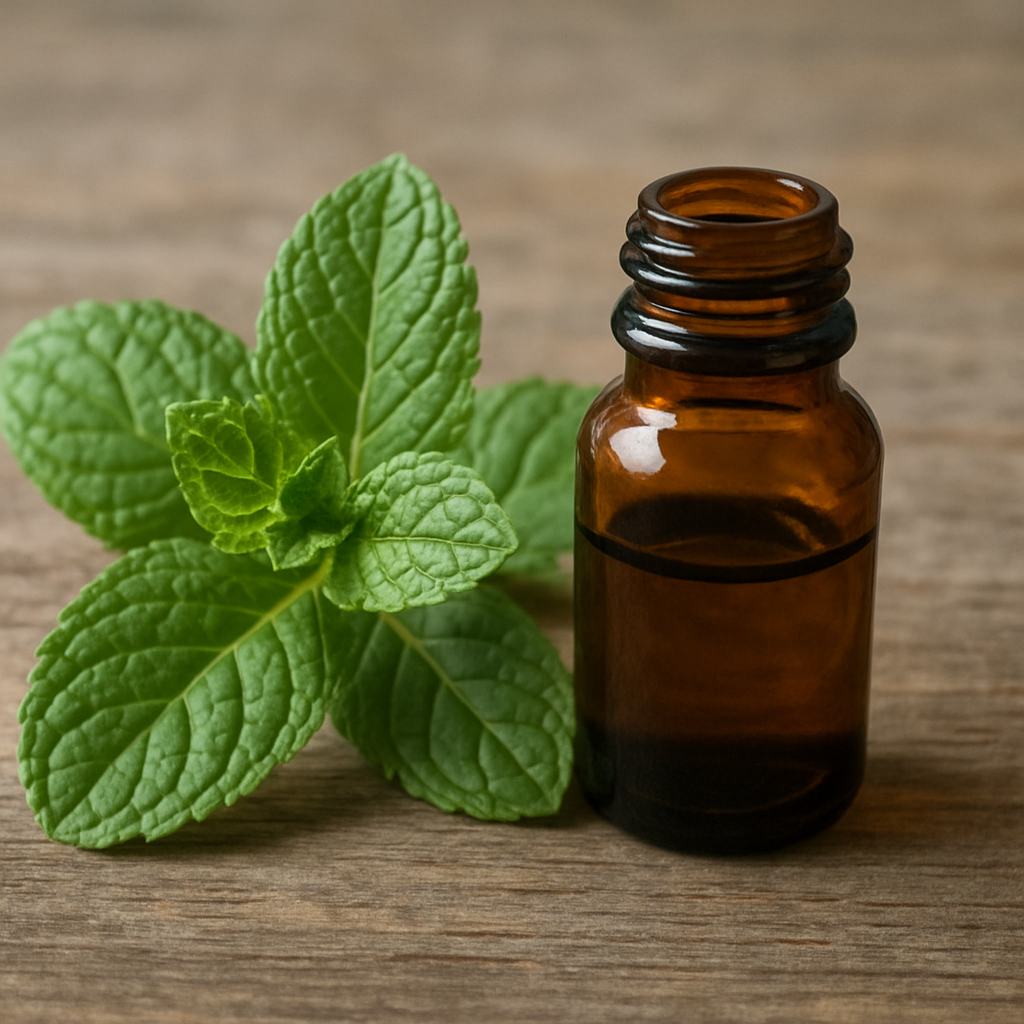
Whether you are looking to soothe a stubborn tension headache, revitalize your morning routine, or naturally deter pests from your home, few botanical extracts are as highly prized as the mighty peppermint leaf. Cultivated for centuries, the crisp, invigorating aroma of this plant has cemented its place as a staple in both natural wellness and modern households.
However, walking down the wellness aisle or browsing online stores can be overwhelming. With countless bottles boasting various claims, finding the best peppermint oil requires knowing exactly what to look for.
In this comprehensive buyer’s guide, we will explore the myriad of peppermint oil uses, dive deeply into proven peppermint oil benefits, and equip you with the knowledge to select, safely apply, and maximize the potential of this incredible botanical extract.
What Makes the Best Peppermint Oil? A Buyer’s Checklist
Not all essential oils are created equal. To reap the maximum therapeutic rewards, you must ensure that the product you purchase is authentic, potent, and safe. Here is what to look for when shopping for pure peppermint oil:
1. Botanical Name and Grade
Always check the label for the exact botanical name. You want to see Mentha piperita therapeutic grade listed on the bottle. Mentha piperita is the true peppermint plant, a natural cross between watermint and spearmint. The “therapeutic grade” label, while largely a marketing term in some regions, generally indicates that the company prioritizes purity and intends the product for wellness applications rather than mere fragrance.
2. The Extraction Process
The highest quality products utilize the steam distilled extraction method. This traditional process uses gentle steam to separate the volatile compounds from the plant’s leaves without the use of harsh chemical solvents. Steam distillation ensures that the resulting peppermint essential oil retains its delicate therapeutic properties and natural aroma intact.
3. Menthol Concentration
The defining characteristic of peppermint is its cooling, minty profile, which comes from menthol. When evaluating brands, look for those that boast a high menthol content in essential oils. A premium oil will typically contain between 40% to 50% menthol, which is the driving force behind its physical and aromatic benefits.
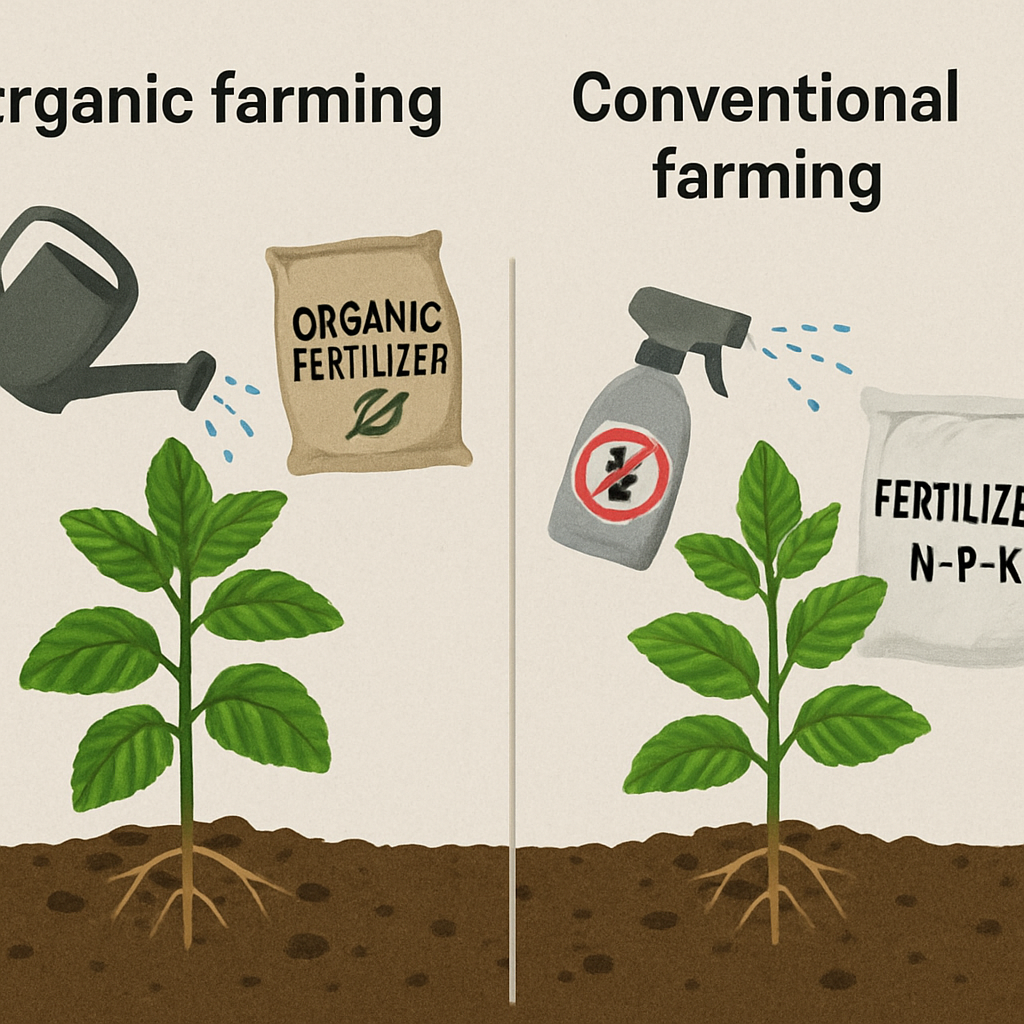
4. Sourcing: Organic vs Conventional Peppermint Oil
When deciding between organic vs conventional peppermint oil, consider how you plan to use it. If you intend to use the oil topically on sensitive skin, organic peppermint oil is the safer choice. It guarantees that the plants were grown without synthetic pesticides or herbicides, preventing toxic residues from becoming concentrated during the distillation process.
While liquid essential oil is ideal for aromatherapy and topical use, many people turn to internal supplementation for gastrointestinal health.
When searching for the best peppermint oil capsules, prioritize enteric-coated options. Enteric coating ensures that the capsule survives the harsh, acidic environment of your stomach and dissolves only once it reaches your intestines. This is crucial for effectively relieving digestive issues with peppermint, such as bloating, gas, and symptoms associated with Irritable Bowel Syndrome (IBS).
When should you take them? The best time to take peppermint oil capsules is generally 30 to 60 minutes before a meal. Taking them on an empty stomach allows the capsule to pass smoothly into the intestinal tract before food activates heavy stomach acid production, minimizing the risk of mint-flavored heartburn.
Unlocking Powerful Peppermint Oil Benefits
The true magic of this botanical lies in its versatility. From head to toe, the applications are vast and scientifically supported.
Health and Wellness Advantages
Targeting Headaches: If you are wondering how to use peppermint oil for headaches, the method is incredibly simple. The menthol in the oil relaxes muscles and eases pain. Simply dilute a few drops in a gentle carrier oil and massage it into your temples, the back of your neck, and your forehead. Avoid getting it too close to your eyes, as the vapors can cause watering.
Cognitive Boost: Feeling the afternoon slump? The crisp scent is excellent for enhancing focus and mental clarity. Inhaling the aroma stimulates the limbic system, naturally waking up your brain without the jitters associated with an extra cup of coffee.
Hair and Skin Care
Scalp Stimulation: A common question in the beauty community is: does peppermint oil stimulate hair growth? Research suggests it does. Menthol acts as a vasodilator, meaning it widens blood vessels and increases blood flow. When massaged into the scalp, it delivers more oxygen and nutrients to hair follicles, potentially promoting thicker, faster hair growth.
Skin Soothing: Because of its natural cooling effect on skin, peppermint is a fantastic addition to post-workout muscle rubs or sunburn relief lotions. It essentially tricks your brain into perceiving a cold sensation, instantly dulling itchiness, mild pain, and inflammation.
Practical Everyday Uses for Your Home
Beyond personal care, you can integrate this essential oil into your daily household routines. Here are some of the most practical applications:
Creating an Invigorating Atmosphere
One of the easiest ways to utilize this oil is through aromatherapy. Crafting refreshing peppermint oil diffuser blends can transform a stale room into an energizing oasis. Try combining 3 drops of peppermint, 3 drops of wild orange, and 2 drops of frankincense for a bright, uplifting morning blend.
Note on Scent Profiles: If you find the aroma of peppermint too sharp, you might wonder about peppermint vs spearmint essential oil. Spearmint (Mentha spicata) contains significantly less menthol, making its scent sweeter, softer, and more subtle. It’s an excellent alternative for children or those with sensitive noses.
Natural Pest Control
If you prefer to keep harsh chemicals out of your home, using peppermint oil for rodent repellent is a highly effective, eco-friendly strategy. Mice, rats, and even spiders despise the overwhelming scent of menthol. Soak cotton balls in pure peppermint oil and place them near entry points, under sinks, and in dark corners of your garage to naturally deter pests.
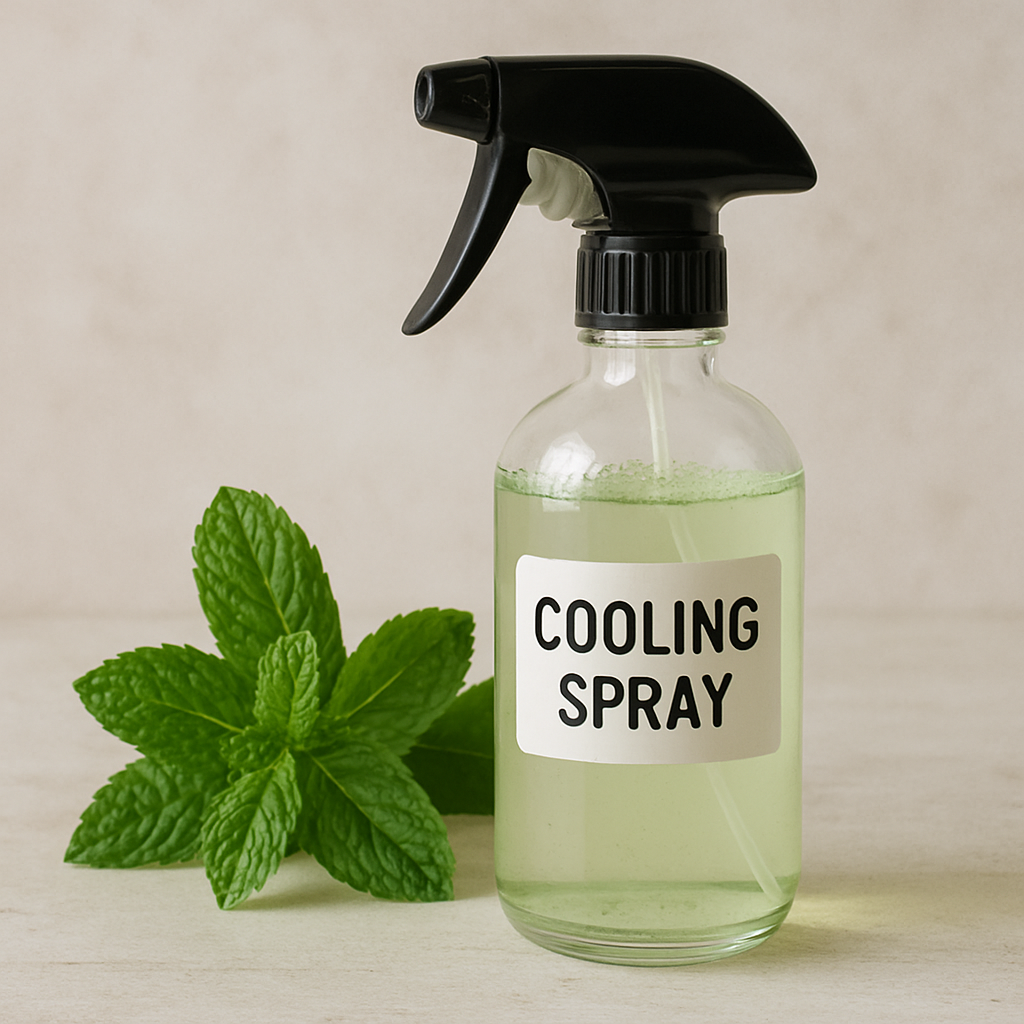
DIY Cooling Sprays
During the peak of summer, making homemade peppermint cooling spray is a game-changer.
Quick Recipe:
Fill a 4-ounce glass spray bottle with 3 ounces of distilled water and 1 ounce of witch hazel.
Add 10-15 drops of organic peppermint essential oil.
Shake well before each use and mist over your neck and arms for instant relief from the heat. (Keep it away from your face to protect your eyes!)
Safety First: Proper Usage and Precautions
As with all highly concentrated plant extracts, safety and responsible usage must be a priority.
The Importance of Dilution
Never apply pure, undiluted peppermint essential oil directly to your skin. Because of its high menthol concentration, it can cause severe irritation, redness, or chemical burns. Diluting essential oils with carrier oils—such as jojoba, fractionated coconut, or sweet almond oil—is an absolute necessity. A safe topical dilution ratio for adults is generally 2% to 3%, which equates to about 12 to 18 drops of essential oil per ounce of carrier oil.
Pet Safety Warnings
While humans reap incredible benefits from this plant, pet owners must exercise extreme caution. Peppermint oil toxicity in pets is a serious, well-documented issue. Dogs, and especially cats, lack the specific liver enzymes required to break down and metabolize the chemical compounds found in peppermint.
Exposure—whether through direct skin contact, ingestion, or even inhaling heavy concentrations from an active diffuser—can lead to respiratory distress, liver damage, vomiting, and lethargy. If you have furry friends at home, use diffusers in well-ventilated rooms where pets cannot enter, and never apply the oil to their coats or paws.
The Final Takeaway
Navigating the world of essential oils doesn’t have to be complicated. By prioritizing high-quality, sustainably sourced Mentha piperita, you unlock a versatile tool for your natural wellness arsenal.
Whether you are seeking out the best peppermint oil to craft an energizing diffuser blend, looking to soothe your digestive tract with enteric-coated capsules, or creating a natural barrier against household pests, this incredible botanical delivers. Remember to always prioritize safety by diluting properly and keeping your pets in mind, and you will easily be able to harness the full, refreshing power of peppermint in your everyday life.
Where to Buy Sodium Hydroxide: Bulk Caustic Soda Suppliers Guide
Whether you are scaling up your artisanal soap business, managing industrial chemical sourcing, or simply looking to bake the perfect traditional German pastry, finding high-quality raw materials is crucial. Sodium hydroxide is a powerhouse chemical used across dozens of industries, but sourcing it safely and affordably requires a bit of insider knowledge.
If you have been searching for reliable sodium hydroxide for sale, this comprehensive guide will walk you through everything you need to know. From understanding the different grades and forms to finding reputable bulk suppliers and mastering safety protocols, we have you covered.
What is Sodium Hydroxide? (The Basics)
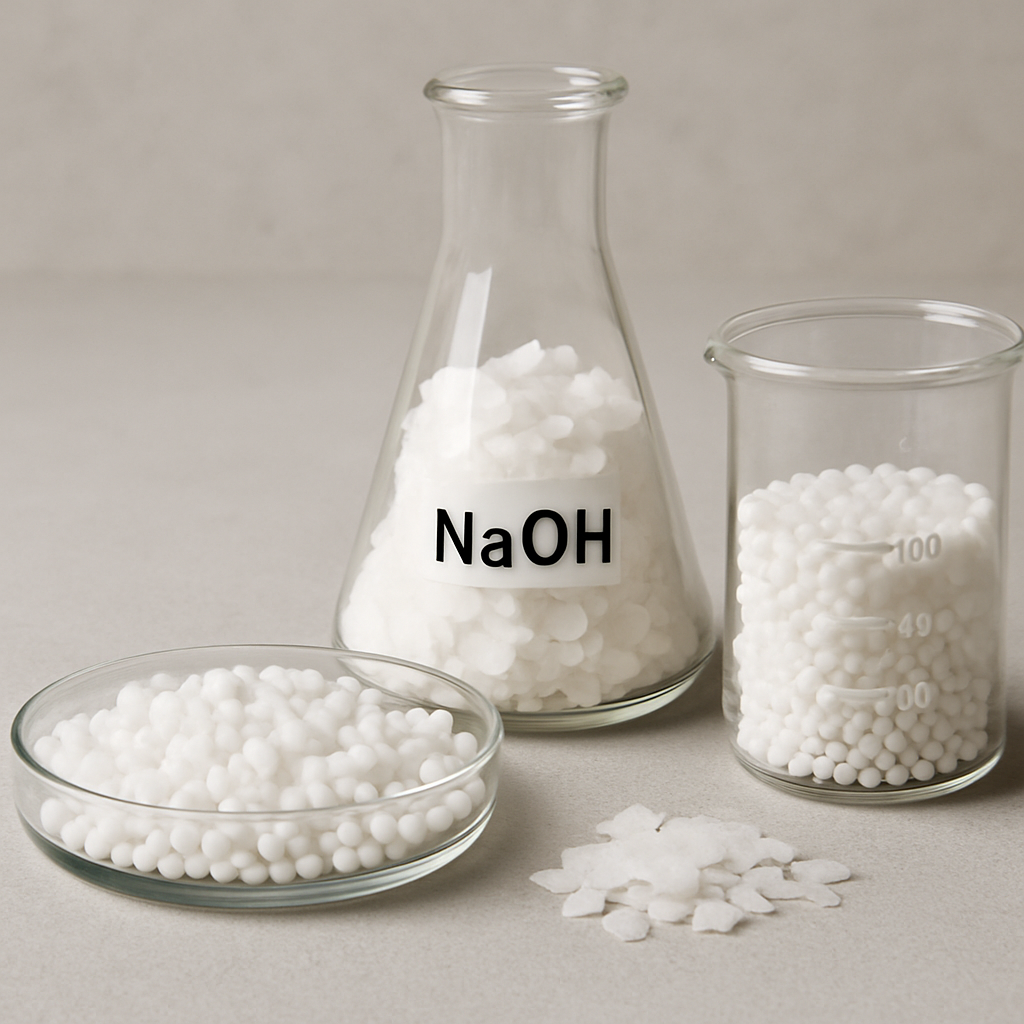
Before making a sodium hydroxide purchase, it is important to understand exactly what you are buying. Sodium hydroxide (chemical formula NaOH) is a highly caustic metallic base and alkali salt. It is widely used in manufacturing, cleaning, water treatment, and food preparation.
Is Caustic Soda the Same as Lye?
A common question among beginners is: is caustic soda the same as lye? The short answer is yes. “Caustic soda,” “lye,” and “sodium hydroxide” are simply different names for the exact same chemical compound. “Lye” is the traditional, historical term mostly used in soap making and food preparation, while “caustic soda” is the preferred terminology in industrial and manufacturing contexts.
Potassium Hydroxide vs Sodium Hydroxide
If you are formulating soaps or specialized cleaners, you will likely encounter another similar chemical: potassium hydroxide (KOH). Understanding potassium hydroxide vs sodium hydroxide is essential for product formulation.
Sodium Hydroxide (NaOH): Creates solid, hard bars of soap. It is the gold standard for traditional bar soap manufacturing.
Potassium Hydroxide (KOH): Creates liquid soaps. It is more soluble in water, making it perfect for liquid body washes and soft agricultural soaps.
You cannot substitute one for the other without completely recalculating your recipe!
Understanding Forms and Grades
When looking to buy sodium hydroxide, you will quickly realize it does not come in a one-size-fits-all package. The physical form and the purity grade you choose will depend entirely on your end use.
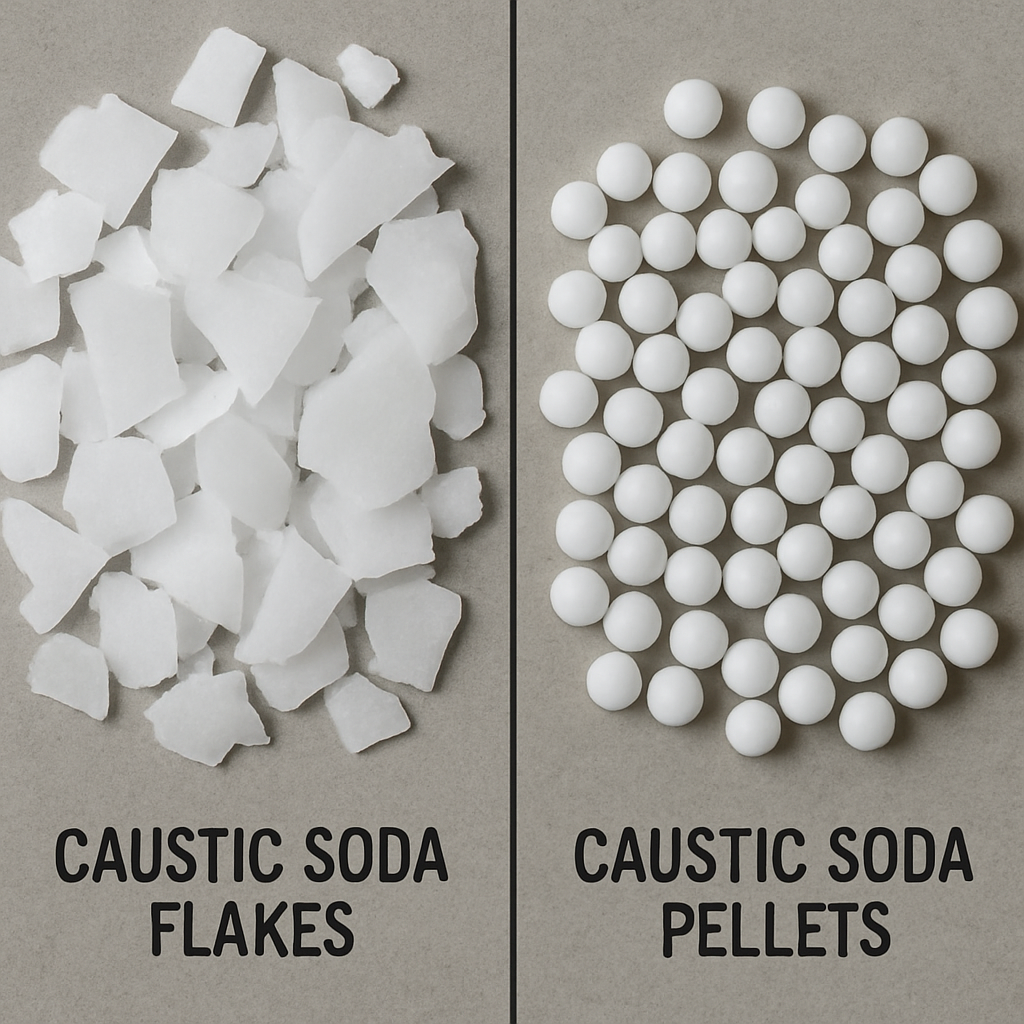
Caustic Soda Flakes vs Pellets
Sodium hydroxide is generally sold in three solid forms: flakes, pellets (also called pearls or beads), and micro-beads.
Pellets/Pearls: These are small, spherical, and uniform. When comparing caustic soda flakes vs pellets, pellets generally dissolve more evenly in water and produce slightly less static dust, making them a favorite for small-scale crafters and laboratories.
Flakes: These look like small, flat shards of broken glass. They are often cheaper to produce and are the standard choice for bulk industrial use. However, they can take slightly longer to dissolve and may clump if exposed to moisture.
Choosing the Right Purity Grade
Not all sodium hydroxide products are manufactured to the same purity standards.
Food Grade: If you are making traditional baked goods, you must use food grade lye for pretzels or bagels. Food-grade lye is manufactured in facilities that adhere to strict FDA (or local equivalent) regulations to ensure there are no heavy metal contaminants.
Industrial Grade: Purchasing industrial grade caustic soda is ideal for heavy-duty cleaning, biodiesel production, or large-scale manufacturing. It is highly effective but may contain trace impurities that make it unsafe for food use.
Technical/Laboratory Grade: Used for highly sensitive chemical reactions where exact purity matters. If you are testing lye purity levels for manufacturing or pharmaceuticals, you will need lab-grade products accompanied by a Certificate of Analysis (CoA).
Where to Source It: Finding Suppliers
Sourcing the right chemical supplier can save you money and ensure a consistent end product. Here is how to find the best options depending on your needs.
Local Options for Immediate Needs
If you have ever typed “sodium hydroxide for sale near me” into a search engine, you know that finding pure lye locally can be tricky. Your best bets are local hardware stores, plumbing supply shops, or farm supply stores. In hardware stores, lye is often sold in the plumbing aisle as a heavy-duty drain opener (make sure the label says 100% sodium hydroxide with no added metals or fragrances).
Buying for Craft and Hobbyists
If you are wondering where to buy lye for soap making, specialty online soap-making suppliers are your safest route. They provide pure, predictable products tailored specifically for saponification. Because they cater to hobbyists, they usually offer manageable sizes, ranging from 1-pound jars to 50-pound buckets.
Commercial and Bulk Sourcing
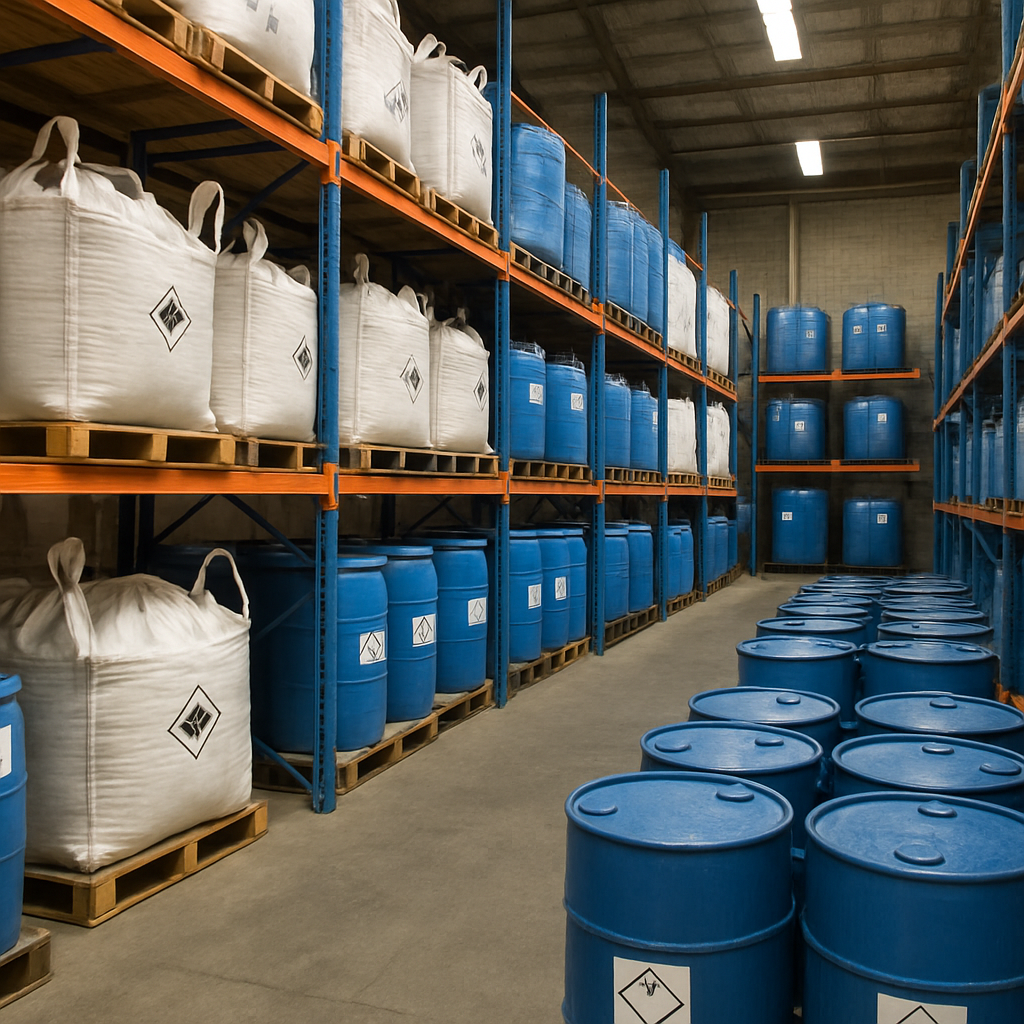
For scaling businesses, buying retail is not cost-effective. You need to look for chemical wholesalers for small businesses. Buying sodium hydroxide bulk (often in 50 lb bags or 55-gallon liquid drums) drastically reduces the price per pound.
When vetting sodium hydroxide suppliers, look for:
Transparent Documentation: Always request the material safety data sheet for sodium hydroxide (MSDS/SDS) before purchasing.
Shipping Capabilities: Because it is a hazardous material (HazMat), shipping can be expensive. Finding a regional supplier can drastically cut down on freight costs.
Consistent Quality: Ensure they provide high-quality lye sodium hydroxide for sale that matches your required grade consistently.
Popular Uses for Caustic Soda
Why is this chemical in such high demand? Its unique properties make it indispensable across various sectors.
Artisanal and Commercial Soap Making
The most popular use among small businesses is making cold process soap with lye. Through a chemical reaction called saponification, sodium hydroxide reacts with oils and fats (like olive oil, coconut oil, or shea butter) to create soap and glycerin. Once the curing process is complete, no active lye remains in the finished bar of soap.
Heavy-Duty Cleaning
Because it is highly corrosive to organic matter, clearing clogged drains with caustic soda is a highly effective industrial and residential plumbing technique. It rapidly dissolves hair, grease, and soap scum. However, it should be used with extreme caution, as it can damage old pipes and produce dangerous fumes if mixed with other household cleaners.
Food Preparation
Beyond pretzels, food-grade sodium hydroxide is used in curing certain types of olives, hominy, and even the traditional Scandinavian fish dish, lutefisk. It creates the distinct chewy crust on pretzels by altering the pH of the dough’s surface before baking.
Safety First: Handling and Storage
Sodium hydroxide is not a chemical to be taken lightly. It is highly exothermic (it generates intense heat when mixed with water) and can cause severe chemical burns to the skin, eyes, and lungs. Knowing how to safely handle sodium hydroxide is the most critical part of your purchase.
Proper Handling Procedures
Personal Protective Equipment (PPE): Always wear chemical-resistant gloves, a long-sleeved shirt, and safety goggles. Standard eyeglasses do not provide adequate side protection.
Ventilation: Always mix lye in a well-ventilated area or outdoors. The fumes generated during the initial mixing phase can irritate the respiratory tract.
Order of Mixing: The golden rule of handling caustic soda is: Always add the lye to the water, never add water to the lye. Adding water to solid lye can cause a volcano-like eruption of boiling, corrosive liquid.
Dealing with Accidents
Accidents happen, even to seasoned professionals. If you spill dry lye flakes, sweep them up carefully with a dedicated brush and dustpan while wearing gloves.
If you spill a liquid lye solution, you must know how to neutralize lye spills. First, contain the spill. While water will dilute it, you can neutralize the high alkalinity by applying a mild acid. White vinegar (acetic acid) or lemon juice is commonly kept on hand by soap makers for this exact purpose. Pour the vinegar over the spill, let it neutralize (it may fizz slightly), and then wipe it up with paper towels. Note: Never use vinegar to neutralize lye on your skin, as the chemical reaction generates heat and can worsen the burn. For skin contact, flush with cold water continuously for 15 minutes.
Safe Storage Protocols
Practicing the safe storage of corrosive chemicals at home or in a small workshop is a legal and ethical necessity.
Air-Tight Containers: Sodium hydroxide is hygroscopic, meaning it attracts moisture from the air. If left open, it will turn into a useless, dangerous puddle of liquid. Keep it in airtight, heavy-duty plastic containers (like HDPE).
Away from Children and Pets: Store it on a high shelf or in a locked cabinet.
Separation: Store it far away from acids, reactive metals (like aluminum, which reacts with lye to create flammable hydrogen gas), and easily combustible materials.
Are There Natural Substitutes?
Some eco-conscious consumers and hobbyists look for natural alternatives to sodium hydroxide. Historically, before the commercialization of standardized lye, soap makers used potash derived from hardwood ashes and rainwater.
While wood ash lye is a “natural” alternative, it is highly unpredictable. The concentration varies wildly depending on the type of wood burned, making it incredibly difficult to formulate a safe, consistent product. Furthermore, wood ash yields potassium hydroxide, which results in soft or liquid soap, not hard bars. If you want to make modern, consistent, and safe hard bar soap, there is no true substitute for commercially produced sodium hydroxide.
Conclusion
Sourcing and handling caustic soda doesn’t have to be intimidating. Whether you are navigating bulk purchases through commercial suppliers or simply looking for small quantities for your weekend soap-making hobby, the key is knowing exactly what you need.
By understanding the differences between flakes and pellets, choosing the correct purity grade, and rigidly adhering to safety and storage protocols, you can utilize this incredible chemical effectively. Ready to make your next purchase? Start by vetting local and online sodium hydroxide suppliers, request your safety data sheets, and stock up on your PPE. With the right preparation, your manufacturing, baking, or crafting projects are guaranteed to be a success.
Before you commit to a supplier, it also helps to review sodium hydroxide properties and safety so your team can handle and store the product correctly from day one.
Where to Buy Acetone in Bulk: A Guide to Industrial Acetone Suppliers and Bulk Purchasing
You buy acetone in bulk from an industrial chemical distributor — in 55-gallon drums, 275- or 330-gallon IBC totes, or full tanker loads. The right supplier depends on your volume, grade, and delivery needs. This guide covers the grades, supplier types, pricing tiers, and the OSHA and DOT rules that apply once the drums hit your dock.
Understanding Your Application: Which Grade Do You Need?
Before reaching out to suppliers, it is crucial to pinpoint exactly what type of acetone your operation requires. Not all solvents are manufactured to the same specifications, and using the wrong grade can ruin a production run or inflate your budget unnecessarily.
Technical Grade vs. Reagent Grade
The primary difference between technical and reagent grade acetone lies in their purity levels and intended applications.
Technical Grade Acetone: This is the standard industrial grade. It typically boasts a purity of around 99% or slightly higher. It is incredibly effective for heavy-duty degreasing, thinning fiberglass resins, dissolving adhesives, and cleaning manufacturing equipment.
Reagent Grade Acetone (or ACS Grade): This grade undergoes rigorous purification processes to meet standards set by the American Chemical Society. It is used in analytical laboratories, pharmaceutical manufacturing, and sensitive high-tech applications where even trace impurities could compromise results.
When you are looking for high-purity industrial grade chemical solvents, it is essential to communicate your exact application to your supplier to ensure you are not overpaying for analytical purity when a standard technical grade would suffice.
Solvent Comparisons for Industrial Cleaning
Facility managers frequently debate the merits of bulk acetone versus isopropyl alcohol for cleaning. While both are excellent solvents, acetone evaporates much faster and is a stronger degreaser, making it ideal for removing heavy resins, paints, and waxes. Isopropyl alcohol (IPA), on the other hand, is less aggressive, making it safer for delicate plastics, electronics, and medical device sanitation.
Finding Reliable Industrial Suppliers
The chemical market is vast, and knowing where to source your materials safely is paramount. The chemical distribution networks in North America are robust, consisting of global manufacturers, massive national distributors, and agile regional blenders.
Sourcing Bulk Acetone Suppliers
When looking for bulk acetone suppliers for industrial use, you generally have three options:
Direct Manufacturers: Ideal for massive, ongoing chemical needs (e.g., full tanker trucks).
National Chemical Distributors: These companies buy in astronomical quantities and break them down into totes and drums. They offer vast catalogs and strong logistical support.
Local/Regional Distributors: Often provide faster shipping and more personalized customer service for mid-sized operations.
Vetting Your Partners
You should never partner with a chemical vendor without first verifying industrial chemical supplier certifications. Look for suppliers who are ISO 9001 certified for quality management and members of the National Association of Chemical Distributors (NACD). These certifications ensure that the supplier adheres to strict safety, environmental, and quality control standards.
Navigating Costs: Pricing and Procurement Strategies
Developing a smart wholesale solvent procurement strategy can save your company thousands of dollars annually. Because acetone is a byproduct of phenol production (which is tied to the petrochemical industry), acetone pricing fluctuates based on crude oil prices, supply chain disruptions, and global manufacturing demands.
Understanding Acetone Costs
If you are buying mid-level volumes, you are likely looking at drum pricing. The average acetone 55 gallon drum price can vary significantly—usually ranging from $300 to $600 depending on the current market, the grade of the chemical, and shipping distances.
To lower these costs, you need to understand what the bulk discount tiers for solvents are:
Pails (5-gallon): Highest cost per gallon.
Drums (55-gallon): Standard industrial unit; moderate discount.
Totes/IBCs (275 to 330-gallon): Significant cost savings per gallon; requires forklift access.
Bulk Tanker Trucks (5,000+ gallons): The lowest cost per gallon, reserved for massive industrial consumers with built-in storage silos.
Structuring Your Purchases
Securing bulk chemical purchasing contracts and lead times is the backbone of a resilient supply chain. Rather than buying on the spot market, negotiate semi-annual or annual contracts. This locks in your pricing (or establishes a predictable index-based pricing model) and guarantees your allocation even during chemical shortages. Always build buffer time into your lead times, as hazardous material logistics can occasionally face unforeseen delays.
Safety First: Storage, Handling, and Compliance
Buying bulk acetone is only half the battle; managing it safely at your facility is just as important. Acetone is a highly flammable liquid with a very low flashpoint (-4°F or -20°C), meaning its vapors can easily ignite at normal room temperatures.
Safe Storage Protocols
If you are wondering how to store large quantities of acetone safely, the answer lies in strict adherence to federal and local fire codes. You must follow the OSHA chemical storage requirements for flammable liquids to the letter. Key protocols include:
Grounding and Bonding: When dispensing bulk acetone from a 55-gallon drum or tote, all containers must be grounded and bonded to prevent static electricity buildup, which can cause a spark.
Flammable Storage Cabinets: Drums and smaller containers should be stored in certified fire-resistant cabinets or dedicated, explosion-proof storage rooms.
Ventilation: Acetone vapors are heavier than air and will pool near the floor. Proper floor-level exhaust ventilation is mandatory to prevent vapor accumulation.
Temperature Control: Store bulk acetone in cool, dry areas away from direct sunlight, heat sources, and incompatible chemicals (like strong oxidizers or acids).
Documentation and Training
Always maintain up-to-date Material Safety Data Sheets for industrial solvents (now globally referred to as Safety Data Sheets, or SDS). These documents must be readily accessible to all employees handling the chemical. They provide critical information on first aid, fire-fighting measures, and personal protective equipment (PPE) requirements, such as splash goggles and butyl rubber gloves.
Logistics and Shipping Regulations
Transporting highly flammable solvents is a heavily regulated process. Understanding the shipping regulations for hazardous bulk chemicals will help you avoid costly fines and delivery delays.
In the United States, the Department of Transportation (DOT) classifies acetone as a Class 3 Flammable Liquid. This means that any acetone bulk suppliers you work with must use specialized, licensed HAZMAT carriers to deliver your product. Ensure your facility is equipped to safely receive HAZMAT deliveries, which includes having proper loading docks, spill containment pallets, and trained receiving personnel ready to inspect the shipment upon arrival.
Environmental Responsibility and Disposal
The lifecycle of your bulk acetone doesn’t end once it has been used. Industrial facilities must carefully manage the environmental impact of large scale acetone disposal. Acetone is considered a hazardous waste under the Resource Conservation and Recovery Act (RCRA) due to its ignitability.
Never Pour Down the Drain: Disposing of acetone in standard sewer systems is illegal and highly dangerous, as it can cause explosions in the sewer lines and severe environmental damage.
Solvent Recycling: One of the most cost-effective and eco-friendly strategies for high-volume users is on-site or off-site solvent distillation. Acetone can be easily distilled and reused multiple times for cleaning purposes, drastically reducing waste disposal costs.
Licensed Waste Haulers: Any spent acetone that cannot be recycled must be collected in sealed, labeled drums and handled by a licensed hazardous waste hauler.
Conclusion
Procuring bulk solvents doesn’t have to be an overwhelming challenge. By understanding your specific application needs, vetting your distribution partners, and negotiating smart contracts, you can build a highly efficient supply chain. More importantly, by strictly adhering to OSHA and DOT regulations, you ensure that your facility remains a safe environment for your team. Use this guide to optimize your solvent procurement strategy, secure the best pricing, and maintain a seamless, compliant operation year-round.
Regulatory references for acetone buyers
Acetone is exempt from EPA’s VOC regulations under 40 CFR 51.100(s), which is why many coatings and cleaning operations substitute it for regulated solvents. Workplace exposure is governed by OSHA’s PEL of 1,000 ppm (OSHA chemical data), and NIOSH documents health guidance in its Pocket Guide to Chemical Hazards. Review each before scaling up acetone use — the paperwork burden is light compared with regulated solvents, which is a real cost advantage.
Surfactants: Types, Definitions and Uses
A surfactant (surface-active agent) is a molecule with a water-loving (hydrophilic) head and an oil-loving (hydrophobic) tail that concentrates at the interface between two phases — oil and water, liquid and air, liquid and solid — and lowers the surface or interfacial tension between them. That one property makes surfactants the workhorses behind detergents, emulsifiers, wetting agents, foaming and defoaming agents, and dispersants across nearly every manufacturing sector.
How do surfactants work?
Because one end of the molecule prefers water and the other end avoids it, surfactant molecules line up at interfaces instead of dissolving uniformly. At low concentrations they coat the interface and drop its tension, letting water wet surfaces it would otherwise bead up on. Above a threshold called the critical micelle concentration (CMC), the excess molecules assemble into micelles — spheres with the oily tails pointed inward — which is how detergents lift grease into water and carry it away.
What are the four types of surfactants?
Surfactants are classified by the charge on their hydrophilic head group:
Type
Head-group charge
Typical strengths
Common examples
Anionic
Negative
Strong detergency and foaming; cost-effective
DDBSA and its sulfonate salts, alcohol ether sulfates, soaps
Cationic
Positive
Substantive to surfaces; conditioning, antistatic, biocidal
Quaternary ammonium compounds (quats)
Nonionic
None
Hard-water tolerant, low-foam options, good emulsifiers
Alcohol ethoxylates, glycol esters
Amphoteric (zwitterionic)
Both, pH-dependent
Mild, stable across pH, boosts other surfactants
Betaines, amine oxides
Formulators rarely use one surfactant alone — anionic/amphoteric blends, for example, pair the cleaning power of an anionic with the mildness and foam stability of a betaine.
What are surfactants used for in industry?
Household and industrial cleaning products use anionic surfactants like DDBSA for degreasing and detergency. Personal care formulations lean on amphoterics such as betaine for mild cleansing in shampoos and body washes. Agriculture uses surfactants as spray adjuvants so herbicide droplets wet and spread on waxy leaves. Coatings, inks, and adhesives use them to disperse pigments and stabilize emulsion polymers. Oil and gas operations use them in drilling fluids and enhanced recovery. Textile, pulp, and metalworking operations use wetting agents and defoamers to control how process water behaves. The U.S. EPA’s Safer Choice program maintains a list of surfactants screened for environmental and health profile — a useful reference when formulating for consumer markets.
Which surfactants does RightPath supply?
RightPath Industries stocks surfactant raw materials alongside its 8,000+ chemical catalog, including DDBSA (dodecylbenzene sulfonic acid, CAS 27176-87-0) — the anionic workhorse neutralized into sulfonate detergents — and betaine for mild amphoteric systems. Supporting solvents, acids, and neutralizing bases for surfactant formulation ship from the same catalog: browse the full product index or the general chemicals category. Every lot ships with a certificate of analysis — see how to read a COA.
How do you buy surfactants in bulk?
Surfactant raw materials ship in pails, 55-gallon drums, 275-gallon IBC totes, and bulk depending on the product — the same packaging logic covered in our drum vs. tote vs. bulk guide. Tell us the surfactant, active concentration, volume, and delivery location and we return an all-in delivered quote. Request bulk pricing and our team will respond same business day.
Frequently asked questions
What is the difference between a surfactant and a detergent?
A surfactant is the surface-active molecule itself; a detergent is a formulated cleaning product built around one or more surfactants plus builders, chelants, and additives. All detergents contain surfactants, but surfactants also serve as emulsifiers, wetting agents, and dispersants outside cleaning.
What is the critical micelle concentration (CMC)?
The CMC is the concentration above which surfactant molecules begin assembling into micelles. Below the CMC, added surfactant keeps lowering surface tension; above it, extra surfactant mostly forms more micelles, which drive soil emulsification and solubilization.
Is DDBSA anionic or nonionic?
DDBSA (dodecylbenzene sulfonic acid) is an anionic surfactant — in practice it is usually neutralized with caustic soda or another base to form the sulfonate salt used in detergents.
What surfactant is used in shampoos for mildness?
Amphoteric surfactants — most commonly betaines such as cocamidopropyl betaine — are added to personal care formulas to reduce irritation and stabilize foam alongside primary anionic surfactants.
Mineral Oil Uses and Safety: Industrial, Food Grade, and Technical Applications
Sodium hydroxide (NaOH), widely known as caustic soda or lye, is one of the most important industrial inorganic chemicals in global production. With CAS number 1310-73-2, it is a white, odorless solid available commercially as flakes, pellets, or beads, and is also widely distributed as an aqueous solution at concentrations from 10% to 50% by weight.
As a strong base, sodium hydroxide dissociates completely in water, producing hydroxide ions (OH⁻) and dramatically raising solution pH. A 1% NaOH solution has a pH of approximately 13.0, while a 10% solution approaches the upper limit of the standard pH scale. This extreme alkalinity underpins nearly all of sodium hydroxide’s industrial utility.
Key physical properties of sodium hydroxide include:
Molecular weight: 40.00 g/mol
Melting point (solid): 318°C (604°F)
Density (solid): 2.13 g/cm³
Density (50% solution): ~1.53 g/mL at 20°C
Solubility in water: 111 g/100 mL at 20°C (highly exothermic dissolution)
Appearance: White deliquescent solid; clear colorless solution
Industrial Applications of Sodium Hydroxide
Pulp and Paper Manufacturing
Sodium hydroxide is a core chemical in the kraft pulping process, the dominant wood pulp production method globally. In the kraft process, NaOH and sodium sulfide are combined as white liquor to digest wood chips — breaking down lignin while preserving cellulose fibers. Sodium hydroxide is also used in paper bleaching sequences and in the recovery of kraft black liquor back to white liquor via causticization.
Chemical Manufacturing and Synthesis
Sodium hydroxide is a fundamental reagent and process chemical in the synthesis of hundreds of organic and inorganic compounds:
Soap and detergent production: Saponification of fats and oils with NaOH produces hard sodium soaps — one of the oldest industrial uses of caustic soda.
Biodiesel production: NaOH catalyzes transesterification of vegetable oils with methanol to produce fatty acid methyl esters (FAME/biodiesel).
Alumina production (Bayer process): Caustic soda dissolves aluminum oxide from bauxite ore, separating it from silicates and iron oxides in the critical first step of aluminum metal production.
Textile processing: Mercerization of cotton with concentrated NaOH solutions improves fiber luster, dye uptake, and tensile strength.
Water Treatment
Sodium hydroxide is one of the most widely used chemicals in municipal and industrial water treatment. It raises pH in drinking water distribution systems to reduce pipe corrosion and the leaching of lead and copper. It also neutralizes acidic industrial wastewater before discharge, ensuring compliance with environmental effluent limits.
Food Processing
Food-grade sodium hydroxide is FDA-approved (21 CFR 184.1763) and used in food processing for curing olives, Dutch-processing cocoa, making lye-treated foods (pretzels, bagels, lutefisk), and pH adjustment across food and beverage manufacturing.
Cleaning and Drain Maintenance
Sodium hydroxide is the active ingredient in many heavy-duty industrial and commercial drain cleaners, degreasers, and oven cleaners. Its ability to saponify fats and hydrolyze proteins makes it highly effective at dissolving organic blockages in process equipment, drain lines, and food service facilities.
Pharmaceutical and Laboratory Use
Pharmaceutical-grade NaOH is used for pH adjustment in injectable formulations, tablet manufacture, and as a titration standard in analytical chemistry. It is a primary standard reagent in acid-base titrations when prepared as a standardized solution.
Safety and Handling
Sodium hydroxide is a corrosive chemical requiring strict safety protocols in all handling and storage environments.
Skin and eye contact: Causes severe burns on contact. Concentrated solutions penetrate tissue rapidly, causing deep, progressive damage. Flush immediately with copious water for 15–20 minutes and seek medical attention.
Inhalation: Dust from solid NaOH or mist from hot solutions severely irritates the respiratory tract. Work in well-ventilated areas and use a NIOSH-approved respirator where airborne concentrations may be exceeded.
PPE requirements: Chemical splash goggles, face shield, chemical-resistant gloves (neoprene or butyl rubber), and chemical-resistant coveralls are mandatory.
Dilution protocol: Always add NaOH to water — never water to NaOH. The heat of dissolution is significant and can cause violent spattering if water is added to solid NaOH.
Incompatibilities: Reacts exothermically with acids and many metals (particularly aluminum and zinc), generating hydrogen gas. Keep away from strong acids and oxidizers.
Storage: Solid NaOH is highly hygroscopic and absorbs water and CO₂ from air, forming sodium carbonate. Store in airtight containers on corrosive-resistant shelving, away from acids.
Always refer to the current SDS for complete hazard communication, PPE requirements, and emergency response procedures.
Available Forms and Concentrations
Sodium hydroxide is commercially available in several forms suited to different industrial requirements. Solid NaOH (flakes, pellets, beads) at 97–99% purity is used where anhydrous base or precise addition rates are required. The 50% NaOH solution is the most common liquid form in industrial distribution — pumpable at room temperature and easy to dose accurately. Lower concentrations (25–30%) are available for applications requiring less aggressive basicity or safer handling environments, while 10% solutions are standard in laboratory and analytical settings.
Sourcing Sodium Hydroxide in Bulk
Consistent purity, accurate concentration, and reliable supply are critical when procuring sodium hydroxide for industrial processes. Variations in iron content, chloride levels, or carbonate contamination can disrupt sensitive chemical processes and analytical methods.
RightPath Industries supplies sodium hydroxide 50% solution in bulk quantities for industrial, water treatment, chemical manufacturing, and cleaning applications. Full documentation including SDS and Certificate of Analysis is available to support compliance-sensitive procurement.
As a broad-line chemical distributor serving customers across the United States, RightPath also supplies complementary process chemicals including hydrochloric acid, sulfuric acid, and methanol for complete process chemistry sourcing from a single supplier.
Conclusion
Sodium hydroxide is an indispensable heavy industrial chemical spanning pulp and paper, alumina production, soap manufacturing, water treatment, food processing, and chemical synthesis. Its extreme basicity and reactivity make it both highly functional and potentially hazardous — demanding rigorous handling protocols and supplier documentation. For bulk sodium hydroxide supply with consistent quality and competitive pricing, explore RightPath Industries’ sodium hydroxide product page or contact our team for volume pricing.
Procurement teams comparing suppliers and pack sizes can consult our guide to buying sodium hydroxide in bulk, and formulators building cleaning or detergent systems around NaOH may also find our overview of surfactant types and uses helpful.