Headquartered in Pittsburgh, Pennsylvania Call us: 888-255-2401

Where to Buy Denatured Alcohol in Bulk: Supplier & Buyer Guide

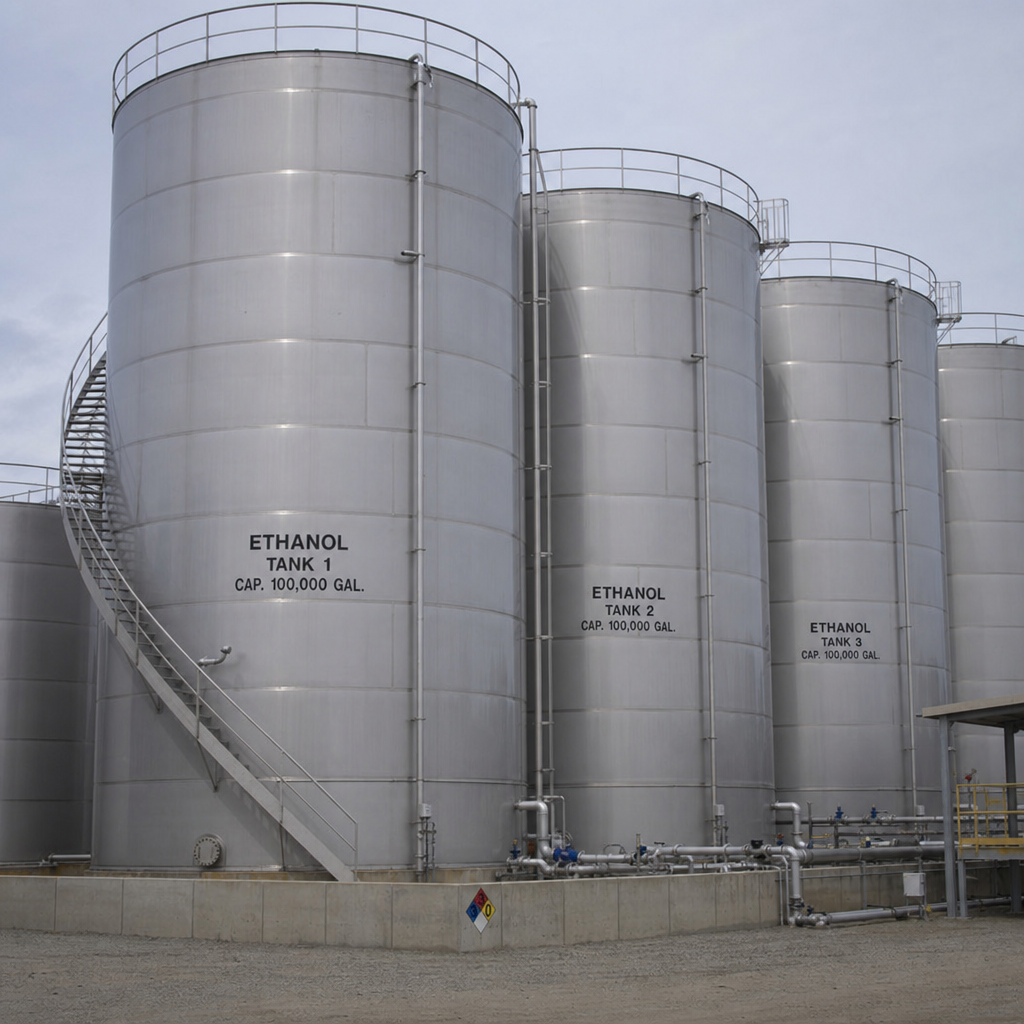
You buy denatured alcohol in bulk from an industrial chemical supplier or distributor, in 55-gallon drums, 275-gallon IBC totes, or bulk tankers. Completely denatured alcohol (CDA) can be purchased without a federal permit; specially denatured alcohol (SDA) requires a TTB industrial alcohol user permit. This guide covers where to buy, packaging sizes, permits, pricing factors, and what to verify before you order.

Where can you buy denatured alcohol in bulk?

Bulk denatured alcohol is sold by industrial chemical suppliers and distributors rather than retail stores. A supplier can provide the correct denaturant formula (such as CDA 12A or SDA 40B), the proof you need, and a Safety Data Sheet and Certificate of Analysis with each shipment. RightPath Industries supplies denatured and non-denatured ethanol in bulk with nationwide shipping — request a quote here.

What bulk sizes and packaging are available?

  • 5-gallon pails — small-batch or trial quantities.
  • 55-gallon drums — the most common industrial unit.
  • 275- and 330-gallon IBC totes — for higher-volume users.
  • Bulk tankers — full truckload quantities for manufacturers.

Denatured ethanol is commonly stocked at 190 proof (95%) and 200 proof (100%, anhydrous). Confirm which proof your process requires before ordering.

CDA vs. SDA: which can you buy without a permit?

Completely Denatured Alcohol (CDA) — for example CDA 12A (ethanol denatured with toluene or heptane under 27 CFR §21.26) — requires no federal permit for authorized industrial use. It is the fastest option to buy for cleaning, solvent, and industrial applications where the alcohol won’t touch skin or food.

Specially Denatured Alcohol (SDA) — for example SDA 40B (ethanol denatured with tert-butyl alcohol and denatonium benzoate) — requires an approved TTB industrial alcohol user permit. SDA 40B is the standard choice for cosmetics and personal-care products. Apply for the permit before ordering, as suppliers must have it on file.

How much does bulk denatured alcohol cost?

Bulk denatured alcohol pricing depends on the denaturant formula, proof, order volume, packaging, and current ethanol market rates. Because denatured alcohol is exempt from federal beverage excise tax, it is substantially cheaper than tax-paid pure ethanol for non-consumable use. Larger volumes (totes and tankers) carry a lower per-gallon cost than drums. Contact a supplier for a current quote based on your formula and quantity.

What to check before you buy

  • Denaturant formula — confirm CDA 12A, SDA 40B, or the specific formula your application requires.
  • Proof / purity — 190 vs. 200 proof affects performance and price.
  • Permit status — SDA requires a TTB user permit; CDA does not.
  • Documentation — insist on a current SDS and Certificate of Analysis.
  • Shipping & DOT — denatured alcohol is a flammable liquid; confirm hazmat-compliant packaging and freight.

Frequently asked questions

Do I need a license to buy denatured alcohol?

For completely denatured alcohol (CDA) you do not need a federal permit for authorized industrial use. For specially denatured alcohol (SDA), you need a TTB industrial alcohol user permit before purchasing.

What is the minimum order for bulk denatured alcohol?

Minimums vary by supplier, but bulk orders typically start at a single 55-gallon drum, with IBC totes and tanker loads available for higher volumes.

Is denatured alcohol the same as ethanol?

Denatured alcohol is ethanol (ethyl alcohol) with denaturants added to make it unfit for drinking. It behaves like ethanol as a solvent but is tax-free for industrial use and not for consumption.

Can I buy 200-proof denatured ethanol?

Yes. Denatured ethanol is available at 200 proof (100%, anhydrous) as well as 190 proof (95%), depending on the formula and your supplier’s stock.

Buy denatured alcohol in bulk from RightPath Industries

RightPath Industries supplies CDA 12A, SDA 40B, and non-denatured ethanol in drums, IBC totes, and bulk quantities with nationwide shipping and full documentation. Tell us your formula, proof, and volume and we’ll send a quote — contact our team here.
Denatured vs. Non-Denatured Ethanol: Which to Choose

When buyers source ethanol for industrial or commercial use, one of the first decisions is whether to use denatured or non-denatured ethanol. The two are chemically similar — both are ethyl alcohol — but they differ sharply in additives, regulation, tax treatment, and permitted uses. Choosing the wrong one can mean overpaying in excise tax, running into permit problems, or ruining a formulation. This guide breaks down the difference and helps you decide which to buy.

What Is Non-Denatured Ethanol?

Non-denatured ethanol (also called pure or undenatured ethanol) is ethyl alcohol with nothing added to make it undrinkable. It is available in food and USP grades and is used wherever purity matters and denaturants would be unacceptable — food and beverage production, pharmaceuticals, laboratory work, and analytical applications. Because it is potable-quality alcohol, non-denatured ethanol is subject to federal excise tax, and buying it tax-free for industrial use generally requires the appropriate TTB permit.

What Is Denatured Ethanol?

Denatured ethanol is ethyl alcohol that has had denaturants added to make it unfit for human consumption. Denaturing removes the federal beverage excise tax burden, which makes denatured ethanol substantially cheaper for non-consumable industrial use. There are two broad categories:

  • Specially Denatured Alcohol (SDA) — denatured with small amounts of specific denaturants for particular uses. Example: SDA 40B (ethanol denatured with tert-butyl alcohol and denatonium benzoate) is widely used in cosmetics and personal care. SDA generally requires a TTB industrial alcohol user permit.
  • Completely Denatured Alcohol (CDA) — more heavily denatured (for example, CDA 12A uses toluene or heptane). CDA requires no federal permit for authorized industrial use, but the denaturants make it unsuitable for skin contact, food, or ingestion.

Denatured vs. Non-Denatured: Key Differences

FactorNon-Denatured EthanolDenatured Ethanol
AdditivesNone — pure ethanolDenaturants added (varies by formula)
Federal excise taxYes (unless permitted)Tax-free for industrial use
Permit to buyUsually required for tax-free useSDA: permit required; CDA: no permit
Typical costHigherLower
Food/pharma/skin contactYesNo (SDA 40B allowed in cosmetics)
Common usesFood, beverage, pharma, labCleaning, solvents, fuel, cosmetics (SDA 40B)

Which Should You Choose?

Choose non-denatured ethanol if the alcohol will be consumed, applied to the body in a way that requires purity, used in pharmaceutical or food manufacturing, or needed for analytical work where denaturants would interfere. Be prepared for excise tax or the permitting required to avoid it.

Choose denatured ethanol if the alcohol is for non-consumable industrial use and you want to avoid excise tax. Within that, pick CDA 12A for general cleaning, solvent, and industrial applications where no skin or food contact occurs and you want to skip the permit process — or SDA 40B for cosmetics and personal-care products, keeping in mind SDA requires a TTB user permit.

Buy Ethanol in Bulk from RightPath Industries

RightPath Industries supplies both non-denatured and denatured ethanol — including SDA 40B and CDA 12A — in drums, IBC totes, and bulk quantities with nationwide shipping. If you’re not sure which grade fits your application or permit situation, contact our team and we’ll help you specify the right product.

Denatured Ethanol SDA 40B: Composition, Approved Uses, Cosmetics and Personal Care Applications, and Bulk Buyer Guide

If you are formulating cosmetics, crafting fine fragrances, or manufacturing personal care items, choosing the right solvent is a critical decision. Among the many options available, one specific grade of alcohol stands out as the industry standard. Welcome to our comprehensive manual on Denatured Ethanol SDA 40B: composition, approved uses, cosmetics and personal care applications, and a bulk buyer guide.

Whether you are a seasoned cosmetic chemist or a scaling business looking to optimize your supply chain, understanding the intricacies of this versatile ingredient is essential. Let’s dive into what makes this solvent a staple in manufacturing.

What is Denatured Ethanol SDA 40B?

At its core, denatured alcohol is standard ethanol that has been modified with additives (denaturants) to make it unfit for human consumption. This process exempts the alcohol from the heavy excise taxes typically applied to liquor. Denatured ethanol SDA 40B (Specially Denatured Alcohol 40B) is a highly specific, government-regulated formulation prized for its minimal odor and high purity.

The SDA 40B Denaturants Composition

What exactly goes into this specialized blend? The SDA 40B denaturants composition is strictly defined. To every 100 gallons of pure ethanol, manufacturers must add:

  • 1/8 of an ounce of denatonium benzoate
  • 1/8 of a gallon of tert-butyl alcohol (TBA)

The use of denatonium benzoate in personal care products is strategic. Recognized as one of the most bitter chemical compounds known, just a microscopic amount ensures the product is unpalatable, successfully deterring accidental ingestion without altering the chemical performance of the denatured ethanol.

Specially Denatured Alcohol vs Isopropyl Alcohol

Many formulators weigh specially denatured alcohol vs isopropyl alcohol (rubbing alcohol). While isopropyl alcohol is cheaper and widely used as an antiseptic, it carries a strong, harsh odor. SDA 40B, on the other hand, is practically odorless once it dries. This makes SDA 40B vastly superior for products where scent profile and a lightweight, premium feel are paramount.

Approved Uses and Cosmetic Applications

From daily hygiene products to luxury perfumes, SDA 40B is an invisible workhorse. But how exactly is it applied across the personal care spectrum?

Fragrances and Perfumery

sda-40b-perfume-fragrance-cosmetics Denatured Ethanol SDA 40B: Composition, Approved Uses, Cosmetics and Personal Care Applications, and Bulk Buyer Guide

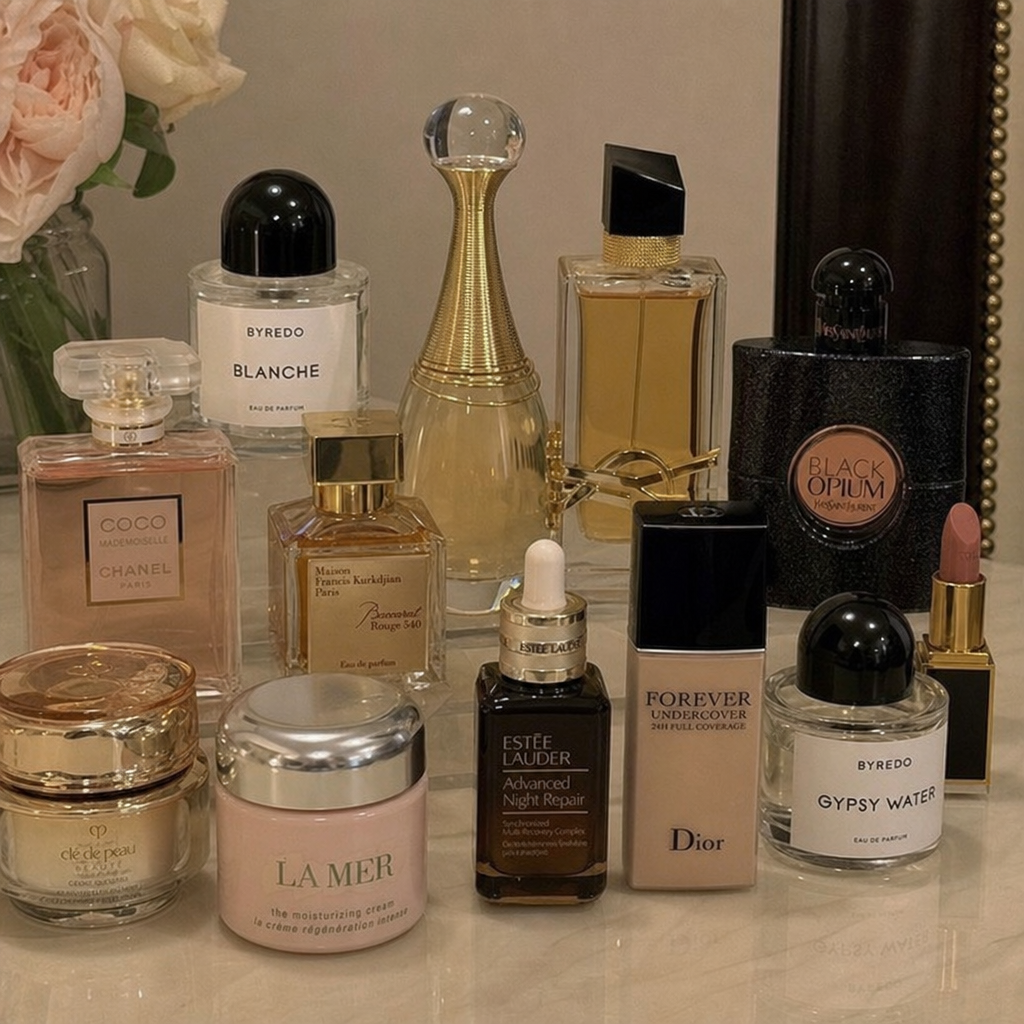
If you have ever wondered why SDA 40B is preferred for fragrances, the answer lies in its olfactory neutrality. Because the denaturants (TBA and denatonium benzoate) are virtually scentless, they do not clash with delicate essential oils or synthetic aroma chemicals. This allows the true notes of a perfume to shine through brilliantly.

Skincare and Cosmetics

sda-40b-perfume-fragrance-cosmetics Denatured Ethanol SDA 40B: Composition, Approved Uses, Cosmetics and Personal Care Applications, and Bulk Buyer Guide

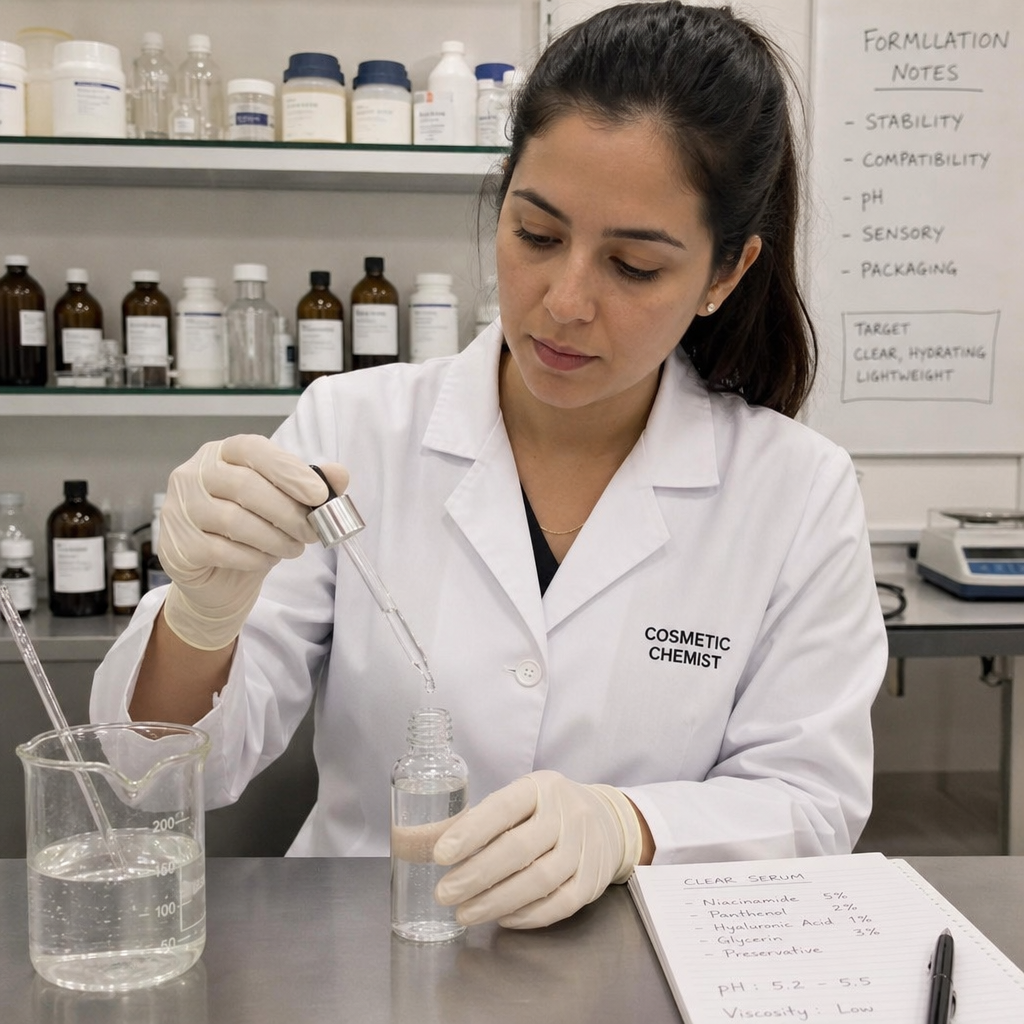
A common question among consumers and new formulators is whether SDA 40B is safe for skin. The short answer is yes. When used in properly balanced formulations, it acts as an excellent astringent, solvent, and delivery system for active ingredients. It evaporates rapidly, creating a weightless finish on the skin.

Haircare Formulations

There are numerous Specially Denatured Alcohol 40B applications in haircare. It is the primary volatile solvent in aerosol hairsprays, dry shampoos, and volumizing mousses. It dissolves styling polymers efficiently and evaporates in seconds, locking hairstyles in place without leaving the hair feeling wet or heavy.

Sanitizers and Antiseptics

The benefits of using denatured alcohol in sanitizers cannot be overstated. It provides broad-spectrum antimicrobial properties, rapidly destroying bacteria and viruses on contact. Unlike some alternative solvents, SDA 40B evaporates cleanly, preventing that undesirable sticky residue often left behind by lower-grade sanitizer gels.

Navigating Formulation Choices

When sourcing your ingredients, you will encounter a few critical variations of SDA 40B. Choosing the right one depends entirely on your end product.

SDA 40B 200 Proof vs 190 Proof

Understanding the difference between SDA 40B 200 proof vs 190 proof is vital for cosmetic chemistry:

  • 200 Proof (Absolute): Contains 100% alcohol (aside from denaturants) and 0% water. It is ideal for anhydrous (water-free) formulations, such as aerosol sprays and specific botanical extractions.
  • 190 Proof: Contains roughly 95% alcohol and 5% water. This is the most common choice for perfumes, room sprays, and general cosmetics, as the slight water content actually helps to open up fragrance notes.

Organic Alternatives

For brands targeting the clean beauty market, you aren’t limited to conventional synthetic options. You can now source organic ethanol for cosmetic formulation. By using certified organic cane or corn ethanol as the base before the standard SDA 40B denaturing process, brands can maintain their eco-friendly, natural label claims while still benefiting from top-tier solvent performance.

Bulk Buyer Guide: Sourcing, Compliance, and Storage

Transitioning from lab-scale formulation to commercial manufacturing requires a solid understanding of logistics, regulations, and safety. Here is your checklist for bulk purchasing.

sda-40b-perfume-fragrance-cosmetics Denatured Ethanol SDA 40B: Composition, Approved Uses, Cosmetics and Personal Care Applications, and Bulk Buyer Guide

Sourcing High-Quality Suppliers

When you are ready to scale, partnering with reliable perfume grade alcohol bulk suppliers is non-negotiable. Sourcing high-purity ethanol for personal care ensures your final products remain consistent, free from unwanted impurities, and perfectly clear. Always request a Certificate of Analysis (COA) before purchasing a drum or tote.

Regulatory Compliance and Taxes

Dealing with alcohol requires strict adherence to federal laws. Familiarize yourself with the TTB regulations for specially denatured alcohol (Alcohol and Tobacco Tax and Trade Bureau). Depending on your purchase volume, you may need to apply for an industrial alcohol user permit.

The primary financial advantage here is the industrial ethanol tax exemption for manufacturing. Because SDA 40B is chemically altered to prevent consumption, your business avoids the astronomical excise taxes applied to beverage alcohol, keeping your production costs manageable.

Safety and Storage Protocol

Ethanol is highly flammable, meaning facility safety is paramount. If you are wondering how to store bulk ethanol safely, follow these core guidelines:

  • Temperature Control: Store in a cool, well-ventilated environment away from direct sunlight or heat sources.
  • Grounding: Ensure all bulk drums and transfer pumps are properly grounded to prevent static sparks.
  • Containment: Use secondary containment pallets to catch any accidental spills.

Finally, never overlook your Ethanol SDA 40B SDS requirements. The Safety Data Sheet (SDS) must be easily accessible to all employees handling the chemical. It outlines emergency first aid, firefighting measures, and proper PPE, ensuring you remain fully compliant with OSHA regulations.

Conclusion

Mastering the use of denatured ethanol is a rite of passage for any successful personal care manufacturer. From its odorless denaturant profile that makes it the darling of the fragrance world, to its rapid-drying properties in haircare, SDA 40B is a truly indispensable solvent. By understanding the chemical composition, choosing the right proof, and adhering strictly to bulk storage and TTB guidelines, you can ensure your manufacturing process is safe, compliant, and cost-effective.

Login / Register