Headquartered in Pittsburgh, Pennsylvania Call us: 888-255-2401

Ethyl Acetate: Properties, Uses, Safety, and Bulk Supply

Ethyl acetate (ethyl ethanoate, CH3COOC2H5) is a fast-evaporating ester solvent valued for its clean solvency, mild fruity odor, and favorable toxicity profile compared with many alternatives. It shows up in coatings, inks, adhesives, and process cleaning across a wide range of industries. This guide covers ethyl acetate’s key properties, common grades, industrial uses, and safe handling — along with how to secure reliable bulk supply.

What Is Ethyl Acetate?

Ethyl acetate is the ester formed from ethanol and acetic acid. It is a clear, colorless liquid that boils at about 77 °C, has a density near 0.90 g/mL, and is moderately soluble in water while fully miscible with most organic solvents. Its rapid evaporation rate and strong ability to dissolve resins, cellulose derivatives, and many polymers make it a preferred solvent where quick drying and low residue matter.

Grades and Specifications

RightPath Industries supplies ethyl acetate in industrial and high-purity grades. Typical specifications include assay of 99.5% or higher, low acidity (as acetic acid), controlled water content, and low non-volatile residue. Urethane-grade and other tightly controlled options are available where moisture and acidity limits are critical. When requesting a quote, share your required assay, moisture spec, packaging, and any documentation needs such as a Certificate of Analysis or SDS.

Industrial Uses

Ethyl acetate’s balance of performance and lower toxicity supports many applications, including:

  • Coatings and lacquers: a primary solvent for nitrocellulose, acrylic, and vinyl finishes.
  • Printing inks: a fast-evaporating carrier in flexographic and gravure inks used on packaging.
  • Adhesives: dissolves resins in pressure-sensitive and laminating adhesives.
  • Process cleaning: removes coatings, residues, and adhesives during manufacturing.
  • Extraction and process solvent: used in flavor, fragrance, and specialty chemical processing.

Safety and Handling

Ethyl acetate is a flammable liquid (flash point about -4 °C) whose vapors can form explosive mixtures with air, so keep it away from heat, sparks, and open flame and store it in tightly closed containers in a cool, well-ventilated area away from strong oxidizers and bases. Provide adequate ventilation and local exhaust to control vapor buildup. Overexposure can irritate the eyes, nose, and throat and may cause dizziness at high concentrations; use chemical-resistant gloves, safety goggles, and respiratory protection as indicated by your exposure assessment. Review the current Safety Data Sheet before handling.

Bulk Ethyl Acetate Supply from RightPath Industries

RightPath Industries stocks ethyl acetate for dependable industrial supply in drums, totes, and bulk quantities, with consistent quality and full documentation. Whether you need occasional drums or standing bulk orders, our team can match the correct grade and packaging to your process and quote competitive pricing. Contact RightPath Industries for a bulk ethyl acetate quote today.

Toluene: Properties, Industrial Uses, and Bulk Supply

Toluene (methylbenzene, C7H8) is one of the most widely used aromatic solvents in industry. Clear, colorless, and highly effective at dissolving oils, resins, and rubbers, it sits at the center of coatings, adhesives, printing, and chemical-synthesis operations. This guide covers what toluene is, the grades and specifications buyers should know, its primary industrial uses, and safe handling — plus how to source it in bulk.

What Is Toluene?

Toluene is a single-ring aromatic hydrocarbon derived primarily from petroleum reforming and, historically, from coal tar. It boils at roughly 111 °C, has a density near 0.87 g/mL, and is practically insoluble in water but fully miscible with most organic solvents. Its balance of strong solvency, moderate evaporation rate, and relatively low cost makes it a workhorse across dozens of manufacturing processes.

Grades and Specifications

RightPath Industries supplies toluene in industrial and high-purity grades to match the requirements of your process. Typical specifications include assay of 99.5% or higher, low non-volatile residue, controlled water content, and a clean acid-wash color. High-purity and ACS-type grades are available where tighter limits on benzene and other impurities are required. When requesting a quote, specify your assay, packaging, and any documentation needs (COA, SDS) so we can match the correct grade.

Industrial Uses

Toluene’s versatility shows up across a broad range of applications, including:

  • Coatings and paints: a primary solvent and thinner for lacquers, enamels, and industrial finishes.
  • Adhesives and sealants: dissolves rubbers and resins in contact cements and specialty adhesives.
  • Printing inks: carries pigments and resins in gravure and flexographic inks.
  • Chemical intermediate: feedstock for benzene, xylene, benzoic acid, TDI, and other derivatives.
  • Cleaning and degreasing: removes oils, waxes, and process residues from parts and equipment.

Safety and Handling

Toluene is a flammable liquid (flash point about 4 °C) and its vapors can form explosive mixtures with air, so keep it away from heat, sparks, and open flame, and store in tightly closed containers in a cool, well-ventilated area away from oxidizers. Use in areas with adequate ventilation and provide local exhaust where vapor concentrations may build. Overexposure can cause headaches, dizziness, and irritation of the eyes and respiratory tract; use appropriate PPE including chemical-resistant gloves, safety goggles, and respiratory protection as indicated by your exposure assessment. Always consult the current Safety Data Sheet before handling.

Bulk Toluene Supply from RightPath Industries

RightPath Industries stocks toluene for reliable industrial supply in drums, totes, and bulk quantities, backed by consistent quality and documentation. Whether you need a single drum or recurring bulk deliveries, our team can match the right grade and packaging to your application and provide competitive pricing. Contact RightPath Industries for a bulk toluene quote today.

Where to Buy Acetone in Bulk: A Guide to Industrial Acetone Suppliers and Bulk Purchasing

Whether you manage a large-scale manufacturing facility, oversee a commercial cleaning operation, or run a bustling laboratory, sourcing reliable, high-volume chemicals is a critical operational task. Acetone, a highly versatile and powerful solvent, is a staple in countless industries. But navigating the chemical supply chain can be complex. If you find yourself asking where to buy acetone in bulk, this guide to industrial acetone suppliers and bulk purchasing is exactly the resource you need to streamline your procurement process, ensure safety compliance, and secure the best pricing.

In this comprehensive guide, we will explore everything you need to know about purchasing bulk acetone, from understanding chemical grades and evaluating suppliers to mastering storage and shipping regulations.

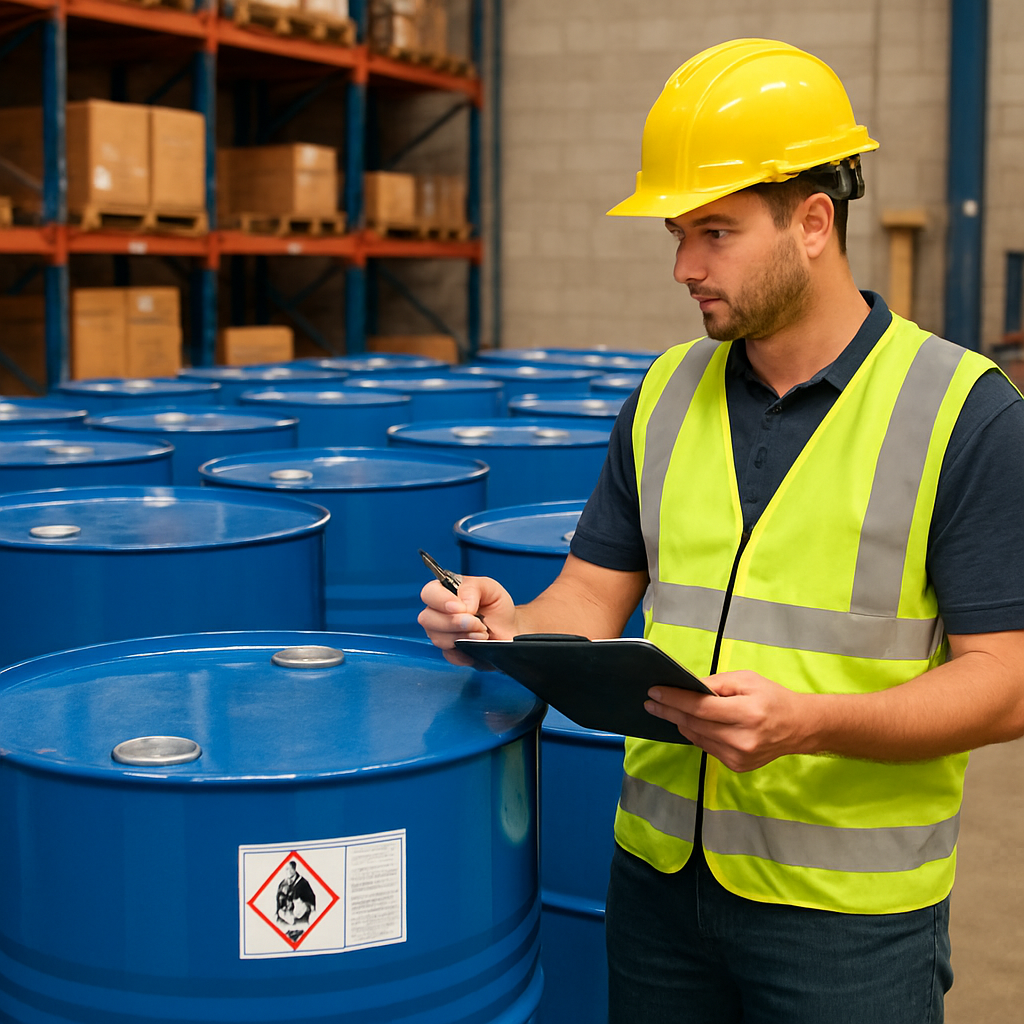
acetone-bulk-warehouse-drums-hero Where to Buy Acetone in Bulk: A Guide to Industrial Acetone Suppliers and Bulk Purchasing

Understanding Your Application: Which Grade Do You Need?

Before reaching out to suppliers, it is crucial to pinpoint exactly what type of acetone your operation requires. Not all solvents are manufactured to the same specifications, and using the wrong grade can ruin a production run or inflate your budget unnecessarily.

Technical Grade vs. Reagent Grade

The primary difference between technical and reagent grade acetone lies in their purity levels and intended applications.

  1. Technical Grade Acetone: This is the standard industrial grade. It typically boasts a purity of around 99% or slightly higher. It is incredibly effective for heavy-duty degreasing, thinning fiberglass resins, dissolving adhesives, and cleaning manufacturing equipment.
  2. Reagent Grade Acetone (or ACS Grade): This grade undergoes rigorous purification processes to meet standards set by the American Chemical Society. It is used in analytical laboratories, pharmaceutical manufacturing, and sensitive high-tech applications where even trace impurities could compromise results.

When you are looking for high-purity industrial grade chemical solvents, it is essential to communicate your exact application to your supplier to ensure you are not overpaying for analytical purity when a standard technical grade would suffice.

Solvent Comparisons for Industrial Cleaning

Facility managers frequently debate the merits of bulk acetone versus isopropyl alcohol for cleaning. While both are excellent solvents, acetone evaporates much faster and is a stronger degreaser, making it ideal for removing heavy resins, paints, and waxes. Isopropyl alcohol (IPA), on the other hand, is less aggressive, making it safer for delicate plastics, electronics, and medical device sanitation.

Finding Reliable Industrial Suppliers

The chemical market is vast, and knowing where to source your materials safely is paramount. The chemical distribution networks in North America are robust, consisting of global manufacturers, massive national distributors, and agile regional blenders.

Sourcing Bulk Acetone Suppliers

When looking for bulk acetone suppliers for industrial use, you generally have three options:

  1. Direct Manufacturers: Ideal for massive, ongoing chemical needs (e.g., full tanker trucks).
  2. National Chemical Distributors: These companies buy in astronomical quantities and break them down into totes and drums. They offer vast catalogs and strong logistical support.
  3. Local/Regional Distributors: Often provide faster shipping and more personalized customer service for mid-sized operations.

Vetting Your Partners

You should never partner with a chemical vendor without first verifying industrial chemical supplier certifications. Look for suppliers who are ISO 9001 certified for quality management and members of the National Association of Chemical Distributors (NACD). These certifications ensure that the supplier adheres to strict safety, environmental, and quality control standards.

Navigating Costs: Pricing and Procurement Strategies

Developing a smart wholesale solvent procurement strategy can save your company thousands of dollars annually. Because acetone is a byproduct of phenol production (which is tied to the petrochemical industry), acetone pricing fluctuates based on crude oil prices, supply chain disruptions, and global manufacturing demands.

Understanding Acetone Costs

If you are buying mid-level volumes, you are likely looking at drum pricing. The average acetone 55 gallon drum price can vary significantly—usually ranging from $300 to $600 depending on the current market, the grade of the chemical, and shipping distances.

To lower these costs, you need to understand what the bulk discount tiers for solvents are:

  1. Pails (5-gallon): Highest cost per gallon.
  2. Drums (55-gallon): Standard industrial unit; moderate discount.
  3. Totes/IBCs (275 to 330-gallon): Significant cost savings per gallon; requires forklift access.
  4. Bulk Tanker Trucks (5,000+ gallons): The lowest cost per gallon, reserved for massive industrial consumers with built-in storage silos.

Structuring Your Purchases

Securing bulk chemical purchasing contracts and lead times is the backbone of a resilient supply chain. Rather than buying on the spot market, negotiate semi-annual or annual contracts. This locks in your pricing (or establishes a predictable index-based pricing model) and guarantees your allocation even during chemical shortages. Always build buffer time into your lead times, as hazardous material logistics can occasionally face unforeseen delays.

acetone-bulk-warehouse-drums-hero Where to Buy Acetone in Bulk: A Guide to Industrial Acetone Suppliers and Bulk Purchasing

Safety First: Storage, Handling, and Compliance

Buying bulk acetone is only half the battle; managing it safely at your facility is just as important. Acetone is a highly flammable liquid with a very low flashpoint (-4°F or -20°C), meaning its vapors can easily ignite at normal room temperatures.

Safe Storage Protocols

If you are wondering how to store large quantities of acetone safely, the answer lies in strict adherence to federal and local fire codes. You must follow the OSHA chemical storage requirements for flammable liquids to the letter. Key protocols include:

  1. Grounding and Bonding: When dispensing bulk acetone from a 55-gallon drum or tote, all containers must be grounded and bonded to prevent static electricity buildup, which can cause a spark.
  2. Flammable Storage Cabinets: Drums and smaller containers should be stored in certified fire-resistant cabinets or dedicated, explosion-proof storage rooms.
  3. Ventilation: Acetone vapors are heavier than air and will pool near the floor. Proper floor-level exhaust ventilation is mandatory to prevent vapor accumulation.
  4. Temperature Control: Store bulk acetone in cool, dry areas away from direct sunlight, heat sources, and incompatible chemicals (like strong oxidizers or acids).

Documentation and Training

Always maintain up-to-date Material Safety Data Sheets for industrial solvents (now globally referred to as Safety Data Sheets, or SDS). These documents must be readily accessible to all employees handling the chemical. They provide critical information on first aid, fire-fighting measures, and personal protective equipment (PPE) requirements, such as splash goggles and butyl rubber gloves.

Logistics and Shipping Regulations

Transporting highly flammable solvents is a heavily regulated process. Understanding the shipping regulations for hazardous bulk chemicals will help you avoid costly fines and delivery delays.

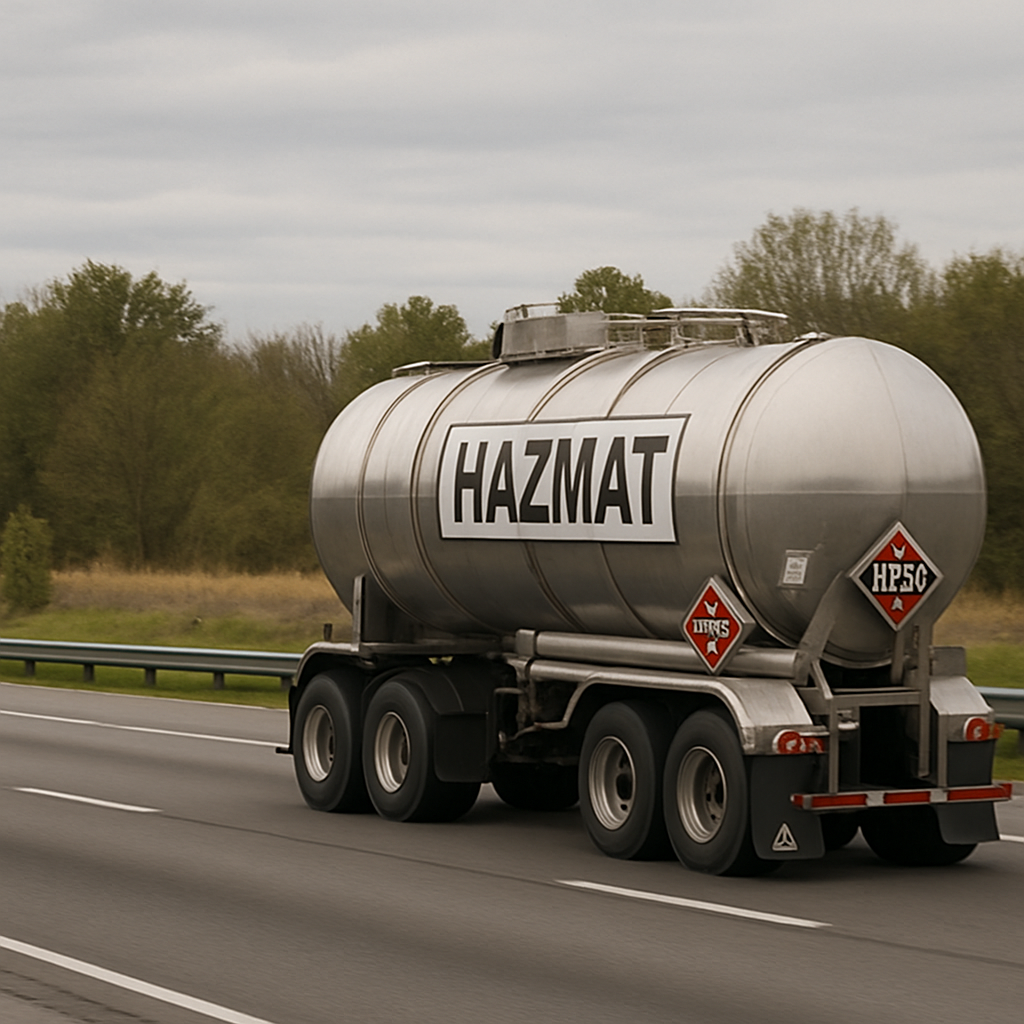
In the United States, the Department of Transportation (DOT) classifies acetone as a Class 3 Flammable Liquid. This means that any acetone bulk suppliers you work with must use specialized, licensed HAZMAT carriers to deliver your product. Ensure your facility is equipped to safely receive HAZMAT deliveries, which includes having proper loading docks, spill containment pallets, and trained receiving personnel ready to inspect the shipment upon arrival.

acetone-bulk-warehouse-drums-hero Where to Buy Acetone in Bulk: A Guide to Industrial Acetone Suppliers and Bulk Purchasing

Environmental Responsibility and Disposal

The lifecycle of your bulk acetone doesn’t end once it has been used. Industrial facilities must carefully manage the environmental impact of large scale acetone disposal. Acetone is considered a hazardous waste under the Resource Conservation and Recovery Act (RCRA) due to its ignitability.

  1. Never Pour Down the Drain: Disposing of acetone in standard sewer systems is illegal and highly dangerous, as it can cause explosions in the sewer lines and severe environmental damage.
  2. Solvent Recycling: One of the most cost-effective and eco-friendly strategies for high-volume users is on-site or off-site solvent distillation. Acetone can be easily distilled and reused multiple times for cleaning purposes, drastically reducing waste disposal costs.
  3. Licensed Waste Haulers: Any spent acetone that cannot be recycled must be collected in sealed, labeled drums and handled by a licensed hazardous waste hauler.

Conclusion

Procuring bulk solvents doesn’t have to be an overwhelming challenge. By understanding your specific application needs, vetting your distribution partners, and negotiating smart contracts, you can build a highly efficient supply chain. More importantly, by strictly adhering to OSHA and DOT regulations, you ensure that your facility remains a safe environment for your team. Use this guide to optimize your solvent procurement strategy, secure the best pricing, and maintain a seamless, compliant operation year-round.

Login / Register