Headquartered in Pittsburgh, PennsylvaniaCall us: 888-255-2401
Ethylene Glycol Safety and Properties: Industrial Buyer’s Guide
Ethylene glycol (C2H6O2) is a colorless, odorless liquid used in antifreeze, heat-transfer fluids, de-icing, and PET plastic production. It is effective, cheap, and toxic — ingestion of small amounts can cause kidney failure. This guide covers the properties, uses, hazards, and handling rules industrial buyers need.
What is ethylene glycol used for?
Ethylene glycol does two jobs better than almost anything at its price: it lowers the freezing point of water and raises its boiling point. That makes it the base fluid for engine coolant and closed-loop heat transfer. It is also a chemical feedstock — a large share of world demand goes into polyester fiber and PET bottle resin.
Coolants and antifreeze in automotive and stationary engines
De-icing solutions for aircraft and runways
Heat-transfer fluids in HVAC, chillers, and solar thermal systems
Polyester fiber and PET plastic production
Gas dehydration and industrial humectant applications
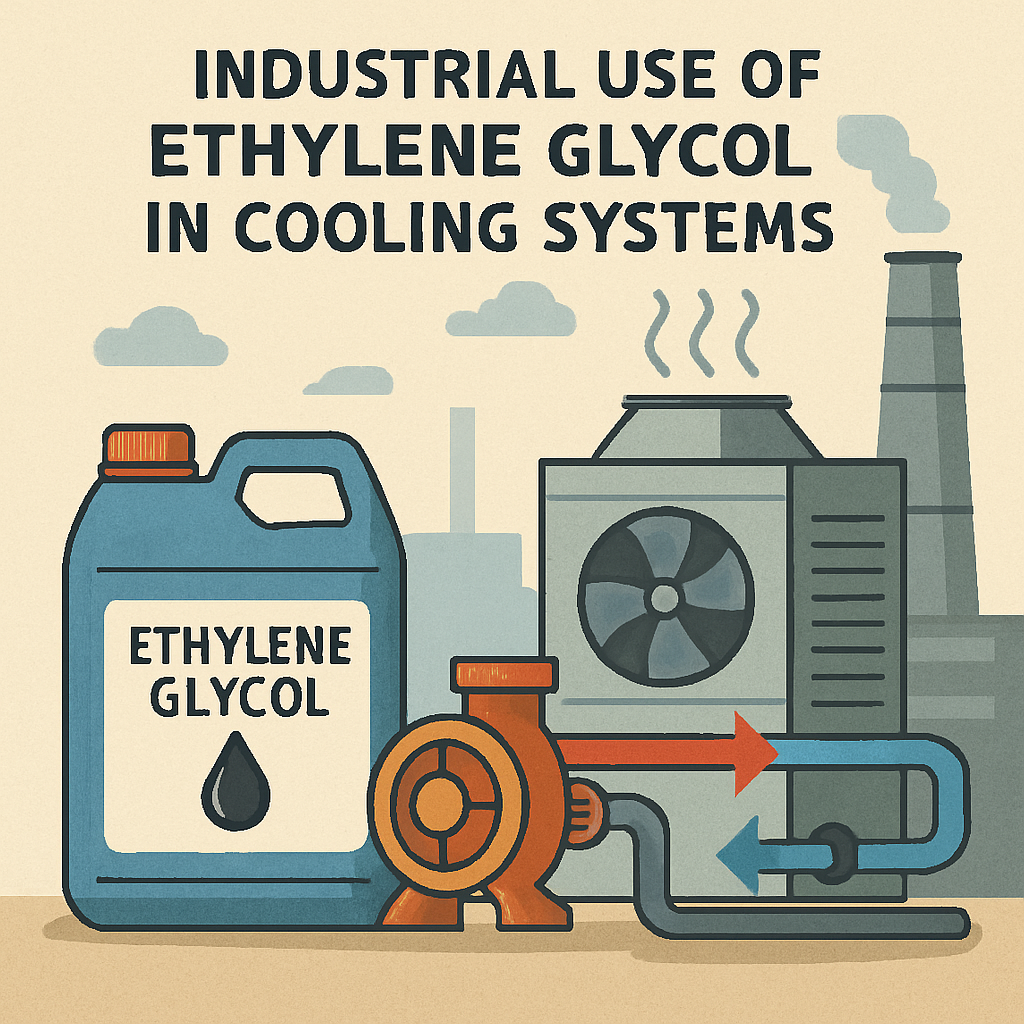
Industrial Use of Ethylene Glycol in Cooling Systems
Key properties of ethylene glycol
Chemical formula: C2H6O2 (CAS 107-21-1)
Boiling point: 197.3 deg C (387.1 deg F)
Freezing point: -12.9 deg C (8.8 deg F); lower in water blends
Density: approximately 1.11 g/cm3 at 20 deg C
Miscibility: fully miscible with water
Appearance: colorless, odorless, syrupy liquid with a sweet taste
Two of these properties matter for handling. Full water miscibility means spills spread fast and reach drains. The sweet taste attracts pets and children, which is why secure storage is non-negotiable. Ethylene glycol is also hygroscopic — it absorbs moisture from air — so containers must stay sealed to protect the material.
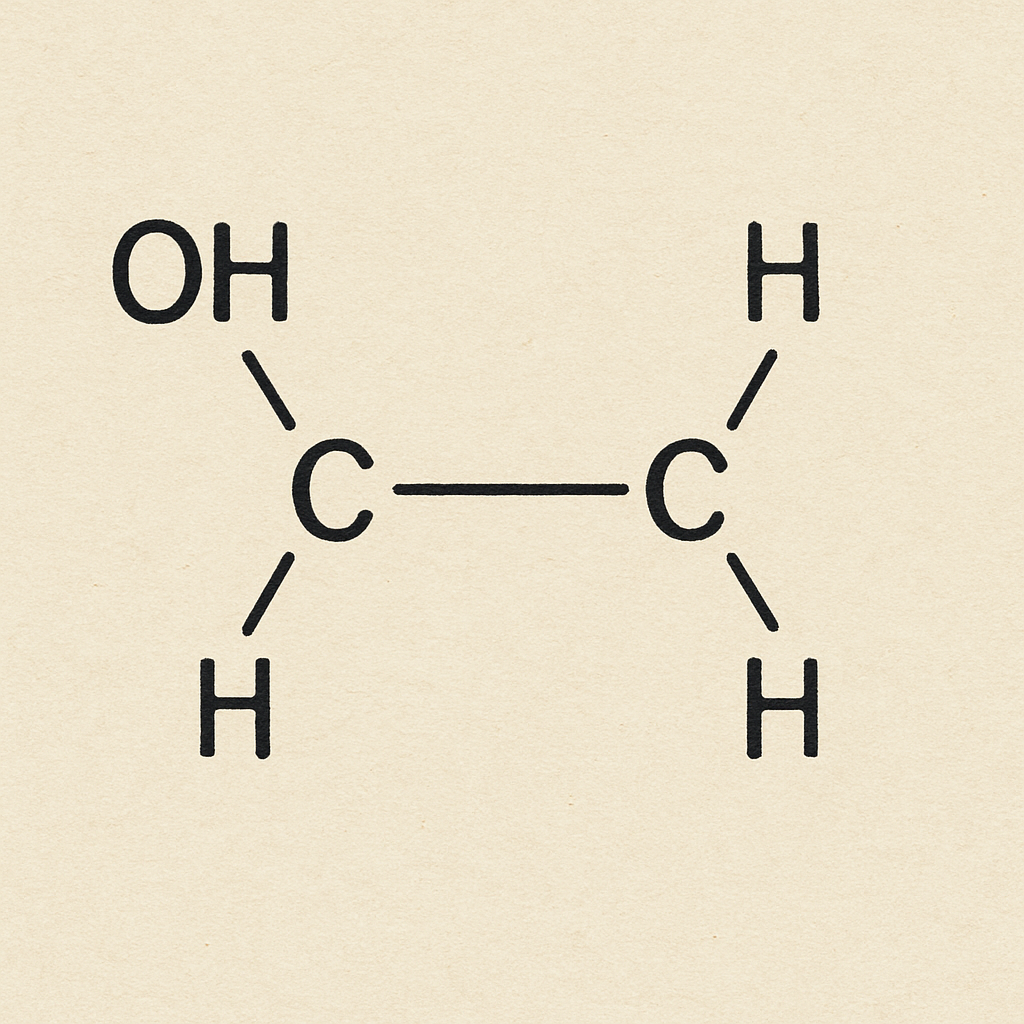
Molecular Structure of Ethylene Glycol
How toxic is ethylene glycol?
Very. The body metabolizes ethylene glycol into acids that attack the kidneys. Ingestion is the main hazard — small amounts can be fatal without treatment. Vapor exposure is a lower risk at room temperature, but heated or misted glycol irritates the respiratory tract. Skin contact causes irritation with prolonged exposure.
Ingestion: metabolic acidosis and kidney failure; medical emergency
Inhalation: respiratory irritation from vapors or mists
Skin and eyes: irritation on contact
Environment: harmful to aquatic life in waterways
Accidental poisoning: sweet taste attracts animals and children
For food-contact or incidental-exposure applications, do not use ethylene glycol at all. Substitute propylene glycol, which is FDA GRAS-listed — see our propylene glycol guide for the comparison.
Safe handling and PPE
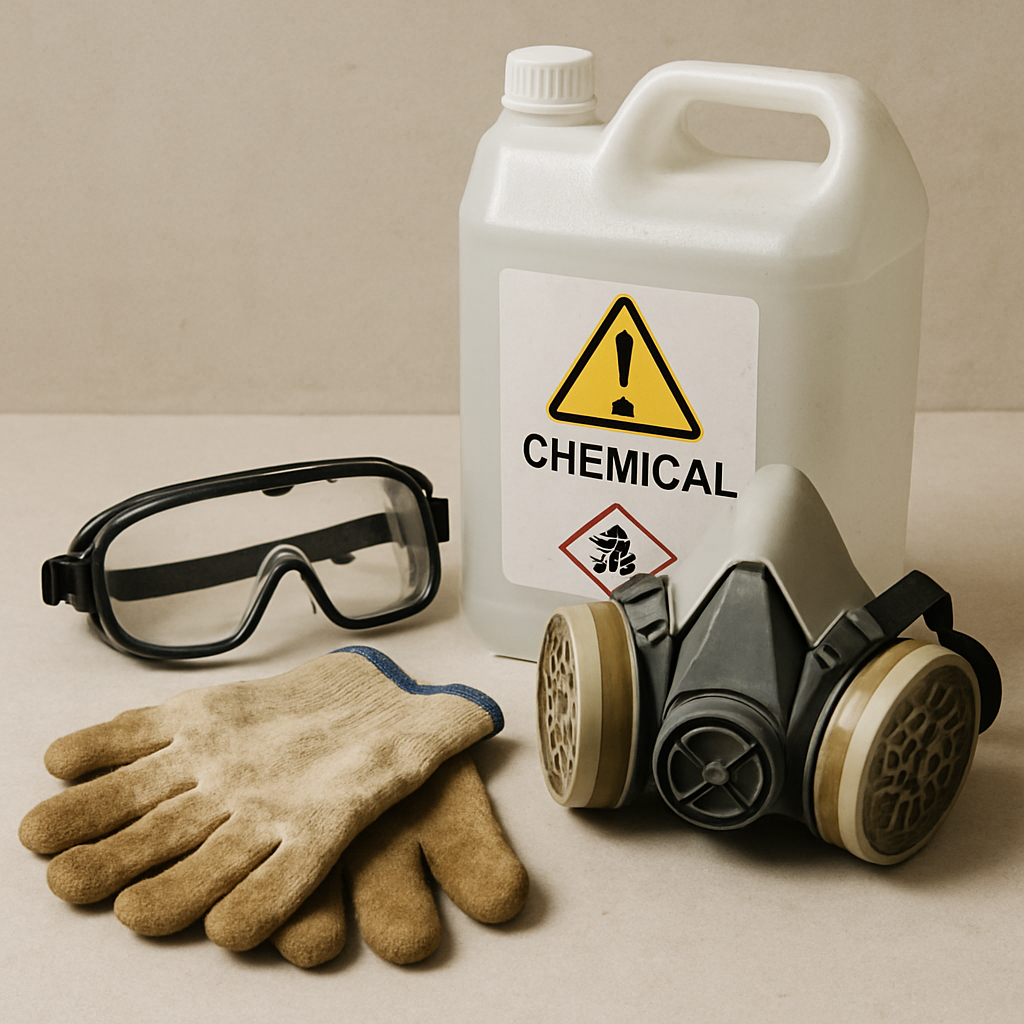
Wear chemical-resistant gloves and goggles for all transfers
Use respiratory protection where glycol is heated, misted, or ventilation is poor
Train every handler on the SDS before first use, with periodic refreshers
Provide eyewash and quick-drench facilities in transfer areas
Storage, transport, and spills
Store in labeled, sealed containers in a cool, ventilated area, secured against access by children and animals
Keep spill kits staged where glycol is stored and transferred, and train staff on them
Contain spills immediately — glycol is water-miscible and reaches drains fast
Dispose of used glycol per local regulations; never to storm drains or waterways
Recycle where possible — reclaimed glycol programs cut cost and environmental footprint
Compliance and the SDS. Keep a current Safety Data Sheet for every glycol product on site — it is required under OSHA hazard communication, and it is where your team finds hazard identification, exposure controls, PPE requirements, and emergency response steps. Get the SDS from your supplier before the first delivery and review it during onboarding. Ours are in the RightPath SDS library.
Testing and quality control. Glycol degrades in service. Test concentration and pH on a routine schedule, inspect tanks and loops for leaks and contamination, and document results. Catching dilution or acidification early prevents corrosion damage and unplanned downtime.
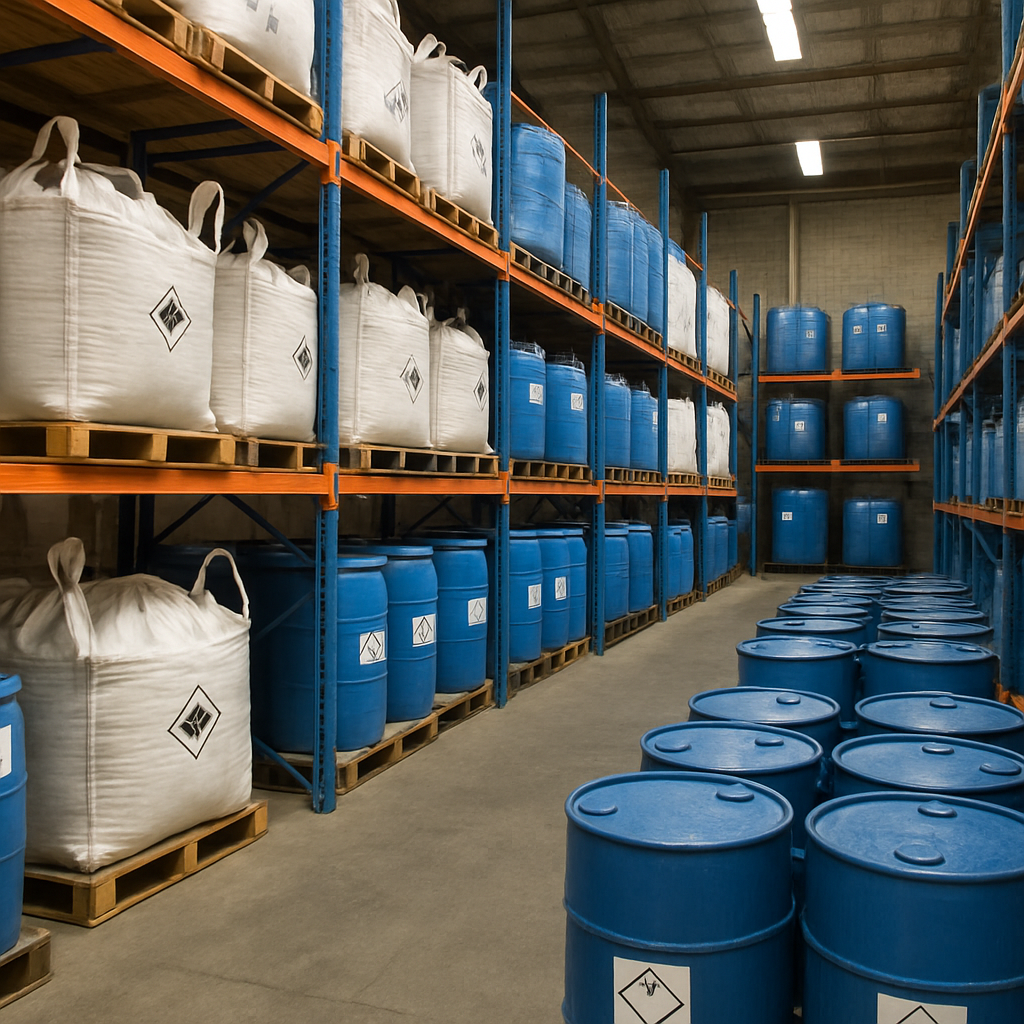
Where to buy ethylene glycol in bulk. RightPath Industries supplies ethylene glycol and other glycols in drums, IBC totes, and tanker loads nationwide, in industrial and USP grades, with an SDS and Certificate of Analysis on every lot. See our bulk glycol supply program or request pricing for a same-day, all-in delivered quote.
Authoritative safety references. Ethylene glycol’s toxicity profile is well documented by federal agencies: the CDC’s ATSDR publishes a toxicological profile covering ingestion hazards and metabolic effects, and the NIOSH Pocket Guide entry lists exposure guidance and protective measures. For food-contact and incidental-exposure applications, propylene glycol — GRAS-listed by FDA — is the standard substitution; see our propylene glycol safety guide for the comparison.
Where to Buy Sodium Hydroxide: Bulk Caustic Soda Suppliers Guide
Whether you are scaling up your artisanal soap business, managing industrial chemical sourcing, or simply looking to bake the perfect traditional German pastry, finding high-quality raw materials is crucial. Sodium hydroxide is a powerhouse chemical used across dozens of industries, but sourcing it safely and affordably requires a bit of insider knowledge.
If you have been searching for reliable sodium hydroxide for sale, this comprehensive guide will walk you through everything you need to know. From understanding the different grades and forms to finding reputable bulk suppliers and mastering safety protocols, we have you covered.
What is Sodium Hydroxide? (The Basics)
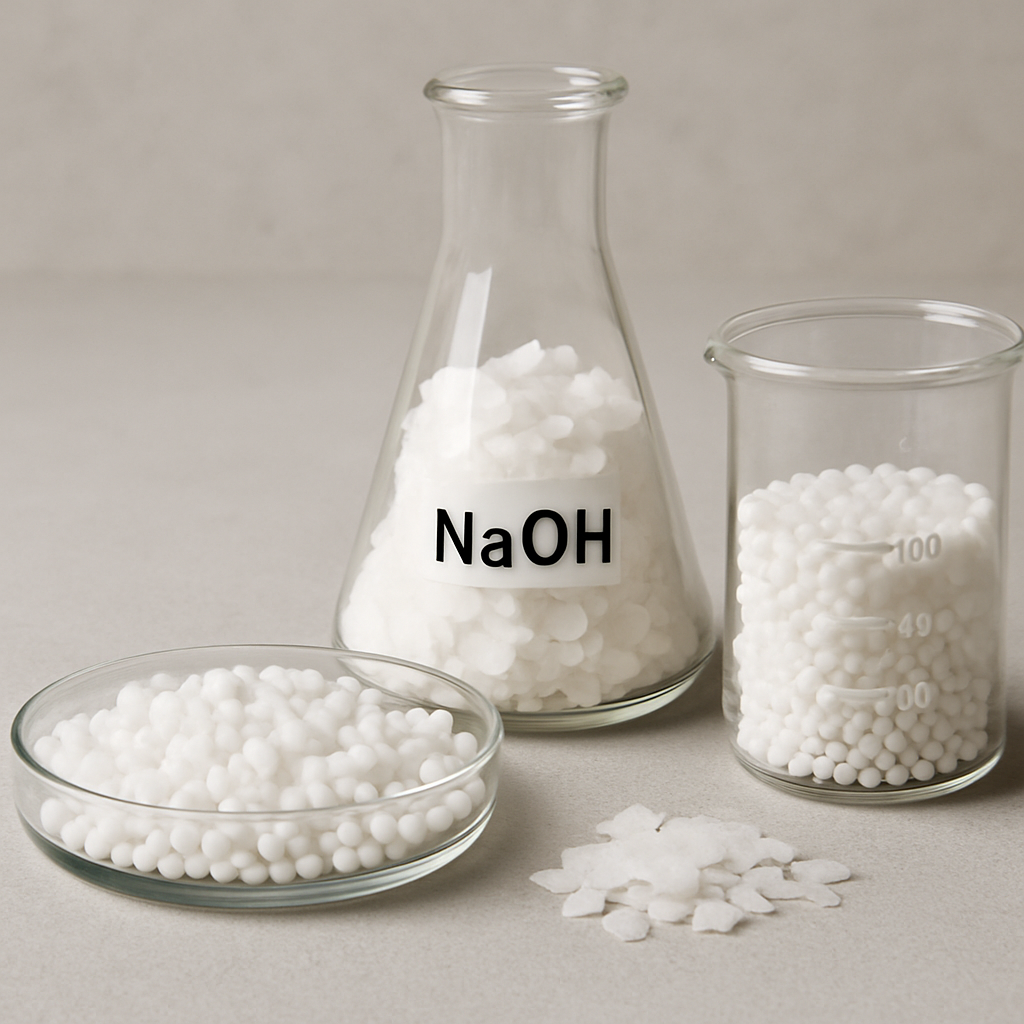
Before making a sodium hydroxide purchase, it is important to understand exactly what you are buying. Sodium hydroxide (chemical formula NaOH) is a highly caustic metallic base and alkali salt. It is widely used in manufacturing, cleaning, water treatment, and food preparation.
Is Caustic Soda the Same as Lye?
A common question among beginners is: is caustic soda the same as lye? The short answer is yes. “Caustic soda,” “lye,” and “sodium hydroxide” are simply different names for the exact same chemical compound. “Lye” is the traditional, historical term mostly used in soap making and food preparation, while “caustic soda” is the preferred terminology in industrial and manufacturing contexts.
Potassium Hydroxide vs Sodium Hydroxide
If you are formulating soaps or specialized cleaners, you will likely encounter another similar chemical: potassium hydroxide (KOH). Understanding potassium hydroxide vs sodium hydroxide is essential for product formulation.
Sodium Hydroxide (NaOH): Creates solid, hard bars of soap. It is the gold standard for traditional bar soap manufacturing.
Potassium Hydroxide (KOH): Creates liquid soaps. It is more soluble in water, making it perfect for liquid body washes and soft agricultural soaps.
You cannot substitute one for the other without completely recalculating your recipe!
Understanding Forms and Grades
When looking to buy sodium hydroxide, you will quickly realize it does not come in a one-size-fits-all package. The physical form and the purity grade you choose will depend entirely on your end use.
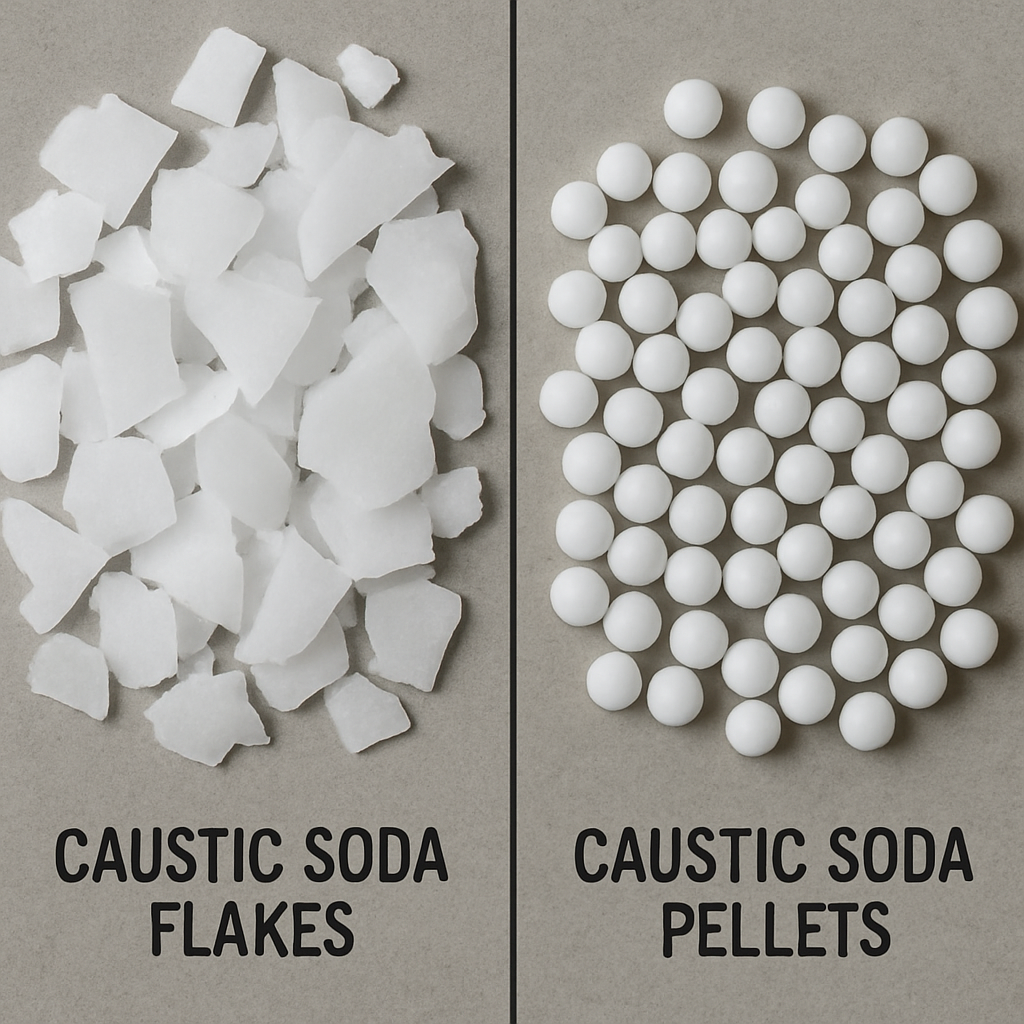
Caustic Soda Flakes vs Pellets
Sodium hydroxide is generally sold in three solid forms: flakes, pellets (also called pearls or beads), and micro-beads.
Pellets/Pearls: These are small, spherical, and uniform. When comparing caustic soda flakes vs pellets, pellets generally dissolve more evenly in water and produce slightly less static dust, making them a favorite for small-scale crafters and laboratories.
Flakes: These look like small, flat shards of broken glass. They are often cheaper to produce and are the standard choice for bulk industrial use. However, they can take slightly longer to dissolve and may clump if exposed to moisture.
Choosing the Right Purity Grade
Not all sodium hydroxide products are manufactured to the same purity standards.
Food Grade: If you are making traditional baked goods, you must use food grade lye for pretzels or bagels. Food-grade lye is manufactured in facilities that adhere to strict FDA (or local equivalent) regulations to ensure there are no heavy metal contaminants.
Industrial Grade: Purchasing industrial grade caustic soda is ideal for heavy-duty cleaning, biodiesel production, or large-scale manufacturing. It is highly effective but may contain trace impurities that make it unsafe for food use.
Technical/Laboratory Grade: Used for highly sensitive chemical reactions where exact purity matters. If you are testing lye purity levels for manufacturing or pharmaceuticals, you will need lab-grade products accompanied by a Certificate of Analysis (CoA).
Where to Source It: Finding Suppliers
Sourcing the right chemical supplier can save you money and ensure a consistent end product. Here is how to find the best options depending on your needs.
Local Options for Immediate Needs
If you have ever typed “sodium hydroxide for sale near me” into a search engine, you know that finding pure lye locally can be tricky. Your best bets are local hardware stores, plumbing supply shops, or farm supply stores. In hardware stores, lye is often sold in the plumbing aisle as a heavy-duty drain opener (make sure the label says 100% sodium hydroxide with no added metals or fragrances).
Buying for Craft and Hobbyists
If you are wondering where to buy lye for soap making, specialty online soap-making suppliers are your safest route. They provide pure, predictable products tailored specifically for saponification. Because they cater to hobbyists, they usually offer manageable sizes, ranging from 1-pound jars to 50-pound buckets.
Commercial and Bulk Sourcing
For scaling businesses, buying retail is not cost-effective. You need to look for chemical wholesalers for small businesses. Buying sodium hydroxide bulk (often in 50 lb bags or 55-gallon liquid drums) drastically reduces the price per pound.
When vetting sodium hydroxide suppliers, look for:
Transparent Documentation: Always request the material safety data sheet for sodium hydroxide (MSDS/SDS) before purchasing.
Shipping Capabilities: Because it is a hazardous material (HazMat), shipping can be expensive. Finding a regional supplier can drastically cut down on freight costs.
Consistent Quality: Ensure they provide high-quality lye sodium hydroxide for sale that matches your required grade consistently.
Popular Uses for Caustic Soda
Why is this chemical in such high demand? Its unique properties make it indispensable across various sectors.
Artisanal and Commercial Soap Making
The most popular use among small businesses is making cold process soap with lye. Through a chemical reaction called saponification, sodium hydroxide reacts with oils and fats (like olive oil, coconut oil, or shea butter) to create soap and glycerin. Once the curing process is complete, no active lye remains in the finished bar of soap.
Heavy-Duty Cleaning
Because it is highly corrosive to organic matter, clearing clogged drains with caustic soda is a highly effective industrial and residential plumbing technique. It rapidly dissolves hair, grease, and soap scum. However, it should be used with extreme caution, as it can damage old pipes and produce dangerous fumes if mixed with other household cleaners.
Food Preparation
Beyond pretzels, food-grade sodium hydroxide is used in curing certain types of olives, hominy, and even the traditional Scandinavian fish dish, lutefisk. It creates the distinct chewy crust on pretzels by altering the pH of the dough’s surface before baking.
Safety First: Handling and Storage
Sodium hydroxide is not a chemical to be taken lightly. It is highly exothermic (it generates intense heat when mixed with water) and can cause severe chemical burns to the skin, eyes, and lungs. Knowing how to safely handle sodium hydroxide is the most critical part of your purchase.
Proper Handling Procedures
Personal Protective Equipment (PPE): Always wear chemical-resistant gloves, a long-sleeved shirt, and safety goggles. Standard eyeglasses do not provide adequate side protection.
Ventilation: Always mix lye in a well-ventilated area or outdoors. The fumes generated during the initial mixing phase can irritate the respiratory tract.
Order of Mixing: The golden rule of handling caustic soda is: Always add the lye to the water, never add water to the lye. Adding water to solid lye can cause a volcano-like eruption of boiling, corrosive liquid.
Dealing with Accidents
Accidents happen, even to seasoned professionals. If you spill dry lye flakes, sweep them up carefully with a dedicated brush and dustpan while wearing gloves.
If you spill a liquid lye solution, you must know how to neutralize lye spills. First, contain the spill. While water will dilute it, you can neutralize the high alkalinity by applying a mild acid. White vinegar (acetic acid) or lemon juice is commonly kept on hand by soap makers for this exact purpose. Pour the vinegar over the spill, let it neutralize (it may fizz slightly), and then wipe it up with paper towels. Note: Never use vinegar to neutralize lye on your skin, as the chemical reaction generates heat and can worsen the burn. For skin contact, flush with cold water continuously for 15 minutes.
Safe Storage Protocols
Practicing the safe storage of corrosive chemicals at home or in a small workshop is a legal and ethical necessity.
Air-Tight Containers: Sodium hydroxide is hygroscopic, meaning it attracts moisture from the air. If left open, it will turn into a useless, dangerous puddle of liquid. Keep it in airtight, heavy-duty plastic containers (like HDPE).
Away from Children and Pets: Store it on a high shelf or in a locked cabinet.
Separation: Store it far away from acids, reactive metals (like aluminum, which reacts with lye to create flammable hydrogen gas), and easily combustible materials.
Are There Natural Substitutes?
Some eco-conscious consumers and hobbyists look for natural alternatives to sodium hydroxide. Historically, before the commercialization of standardized lye, soap makers used potash derived from hardwood ashes and rainwater.
While wood ash lye is a “natural” alternative, it is highly unpredictable. The concentration varies wildly depending on the type of wood burned, making it incredibly difficult to formulate a safe, consistent product. Furthermore, wood ash yields potassium hydroxide, which results in soft or liquid soap, not hard bars. If you want to make modern, consistent, and safe hard bar soap, there is no true substitute for commercially produced sodium hydroxide.
Conclusion
Sourcing and handling caustic soda doesn’t have to be intimidating. Whether you are navigating bulk purchases through commercial suppliers or simply looking for small quantities for your weekend soap-making hobby, the key is knowing exactly what you need.
By understanding the differences between flakes and pellets, choosing the correct purity grade, and rigidly adhering to safety and storage protocols, you can utilize this incredible chemical effectively. Ready to make your next purchase? Start by vetting local and online sodium hydroxide suppliers, request your safety data sheets, and stock up on your PPE. With the right preparation, your manufacturing, baking, or crafting projects are guaranteed to be a success.
Before you commit to a supplier, it also helps to review sodium hydroxide properties and safety so your team can handle and store the product correctly from day one.