Headquartered in Pittsburgh, Pennsylvania Call us: 888-255-2401

How Much Does a Gallon of Ethylene Glycol Weigh?

A gallon of ethylene glycol weighs about 9.29 pounds (4.22 kg) at 68 °F. That is roughly 11% heavier than water, which weighs 8.345 lb per gallon. The number comes from ethylene glycol’s density of 1.1135 g/cm³ at 20 °C. A full 55-gallon drum of 100% ethylene glycol therefore holds about 511 lb of product, before container tare.

What is the density of ethylene glycol?

Ethylene glycol (MEG, CAS 107-21-1) has a density of 1.1135 g/cm³ at 20 °C. PubChem (CID 174) also lists a bulk density of 9.31 lb/gal measured at 15/15 °C (60 °F). Both values describe the same fluid at different reference temperatures, which is why published figures land between 9.29 and 9.31 lb per gallon.

Property Value
CAS number 107-21-1
Molecular formula C2H6O2
Molecular weight 62.07 g/mol
Density at 20 °C 1.1135 g/cm³
Weight per US gallon at 68 °F 9.29 lb
Weight per US gallon at 60 °F 9.31 lb
Weight per liter 1.1135 kg (2.455 lb)
Boiling point 197.3 °C (387.7 °F)
Melting point −12.7 °C (9 °F)
Flash point 111 °C (232 °F)
Viscosity at 25 °C 16.1 mPa·s

Physical constants above are from PubChem CID 174.

How much does ethylene glycol weigh in each package size?

Net weights below use 9.29 lb per US gallon for 100% ethylene glycol. These are product weights only. Gross shipping weight adds the container tare, which is stamped on the drum or listed on the tote data plate.

Package US gallons Net weight (lb) Net weight (kg)
1 gallon 1 9.29 4.22
5-gallon pail 5 46.5 21.1
55-gallon drum 55 511 232
275-gallon IBC tote 275 2,555 1,159
330-gallon IBC tote 330 3,066 1,391
Tank truck (4,500 gal) 4,500 41,805 18,962
Rail car (20,000 gal) 20,000 185,800 84,278

Tank truck and rail car volumes vary by carrier and equipment. Use your carrier’s stated capacity when you calculate a load. For a container-size comparison across chemicals, see drum vs IBC tote vs bulk.

How do you convert ethylene glycol gallons to pounds?

Multiply gallons by 9.29 to get pounds. Multiply pounds by 0.1076 to get gallons. In metric, multiply liters by 1.1135 to get kilograms. One metric ton of ethylene glycol is about 237 US gallons.

  • Gallons to pounds: gallons × 9.29 = lb
  • Pounds to gallons: lb × 0.1076 = gallons
  • Liters to kilograms: L × 1.1135 = kg
  • Metric tons to gallons: MT × 237 = gallons

Our chemical density and volume calculator runs these conversions for ethylene glycol and the rest of the RightPath catalog.

Does temperature change ethylene glycol’s weight per gallon?

Yes. Liquids expand as they warm, so a gallon of warm ethylene glycol contains slightly less mass than a gallon of cold ethylene glycol. Between the two reference points PubChem publishes, the weight moves from 9.31 lb/gal at 60 °F to 9.29 lb/gal at 68 °F. Over normal warehouse temperatures the swing is small, but for custody transfer and tank gauging it matters: measure temperature and correct volume to a standard reference temperature before you invoice.

Do inhibited and aqueous glycol blends weigh the same?

No. Two things change the number:

  • Water dilution lowers it. Water weighs 8.345 lb/gal, so any aqueous glycol blend — a 50/50 coolant, for example — weighs less per gallon than 100% ethylene glycol. The more water, the lighter the gallon.
  • Inhibitor packages shift it slightly. Corrosion-inhibited glycols carry an additive package that changes density by a small amount relative to the uninhibited product.

For any diluted or inhibited grade, use the density printed on the certificate of analysis for that lot rather than the pure-component figure. Ethylene glycol is also frequently confused with propylene glycol, which is a different chemical with a different density — see propylene glycol vs. ethylene glycol.

What grades and sizes of ethylene glycol does RightPath stock?

RightPath Industries supplies ethylene glycol, low iron and chloride — a high-purity grade for heat transfer and specialty formulation — in bulk and small-package quantities with lot control. It sits in our glycols category alongside triethylene glycol and the glycol ether range. Current packaging availability is confirmed on your quote.

Before you handle it, review the storage, exposure and first-aid guidance in our ethylene glycol safety and properties guide and the product safety data sheet. Ethylene glycol is acutely toxic if swallowed.

How do you order ethylene glycol from RightPath?

Send the grade, the volume, the packaging you want, and the delivery ZIP code. RightPath Industries is a Pittsburgh-headquartered distributor carrying more than 8,000 chemicals, and quotes go out the same day. Request bulk pricing and we will come back with an all-in landed number, not a base price plus surprises.

Frequently asked questions

How much does a 55-gallon drum of ethylene glycol weigh?

A 55-gallon drum of 100% ethylene glycol holds about 511 lb (232 kg) of product. Gross weight adds the drum tare, which is stamped on the container.

Is ethylene glycol heavier than water?

Yes. Ethylene glycol weighs about 9.29 lb per US gallon versus 8.345 lb for water, making it roughly 11% heavier. It sinks in water and is fully miscible with it.

How much does a 275-gallon tote of ethylene glycol weigh?

A 275-gallon IBC tote of 100% ethylene glycol contains about 2,555 lb (1,159 kg) of product, plus the tote tare.

What is the specific gravity of ethylene glycol?

Ethylene glycol has a density of 1.1135 g/cm³ at 20 °C, which corresponds to a specific gravity of approximately 1.11 relative to water.

How many gallons of ethylene glycol are in a metric ton?

One metric ton (1,000 kg) of ethylene glycol is about 237 US gallons at 20 °C.

Propylene Glycol vs. Ethylene Glycol: What’s the Difference and Which One Should You Use?

Propylene glycol and ethylene glycol are different chemicals with different safety profiles. Propylene glycol (CAS 57-55-6) is FDA-approved as GRAS for food use under 21 CFR 184.1666. Ethylene glycol (CAS 107-21-1) is not food-approved and is classified as harmful if swallowed. Ethylene glycol transfers heat more efficiently; propylene glycol is used wherever incidental human or food contact is possible.

What is the difference between propylene glycol and ethylene glycol?

The two are chemically related but not interchangeable. Ethylene glycol is a two-carbon diol with the formula C2H6O2. Propylene glycol is a three-carbon diol with the formula C3H8O2, also called 1,2-propanediol.

The practical difference is toxicity. Ethylene glycol carries the GHS hazard statement H302, “Harmful if swallowed,” and NIOSH lists its target organs as the eyes, skin, respiratory system, and central nervous system. Propylene glycol is affirmed by the FDA as Generally Recognized As Safe (GRAS) as a direct food ingredient, and the majority of companies notifying the ECHA C&L Inventory report that it does not meet GHS hazard classification criteria.

The second practical difference is thermal performance. Ethylene glycol has lower viscosity and better heat-transfer efficiency than propylene glycol at the same concentration, which is why it dominates automotive and closed-loop industrial cooling. Propylene glycol trades some of that efficiency for a far more forgiving safety profile.

How do propylene glycol and ethylene glycol compare on physical properties?

All values below are the experimental constants published by PubChem and the NIOSH Pocket Guide to Chemical Hazards.

Property Propylene glycol Ethylene glycol
CAS Number 57-55-6 107-21-1
Chemical formula C3H8O2 C2H6O2
Other names 1,2-Propanediol, MPG 1,2-Ethanediol, MEG, monoethylene glycol
Molecular weight 76.09 g/mol 62.07 g/mol
Density at 20 °C 1.0361 g/cm3 1.1135 g/cm3
Weight per US gallon 8.65 lb/gal 9.29 lb/gal
Boiling point 187.6 °C (370.8 °F) 197.3 °C (387.7 °F)
Melting / freezing point −59 °C (−76 °F) −12.7 °C (9 °F)
Flash point (closed cup) 99 °C (210 °F) 111 °C (232 °F)
Vapor pressure at 20 °C 0.08 mmHg 0.06 mmHg
Water solubility Miscible Miscible
OSHA PEL None established None established
Food contact status GRAS, 21 CFR 184.1666 Not approved for food use

Both glycols are combustible rather than flammable. Ethylene glycol is classed by NIOSH as a Class IIIB combustible liquid, with a lower explosive limit of 3.2% and an upper explosive limit of 15.3%. Propylene glycol’s 210 °F closed-cup flash point places it in the same Class IIIB range. Neither requires flammable-liquid storage cabinets, which is a meaningful difference from solvents like acetone or ethanol.

Need to convert between gallons, pounds, and drums for a specific fill? Use the RightPath chemical density and volume calculators.

Which glycol is toxic?

Ethylene glycol is the toxic one. It is sweet-tasting and readily ingested by animals and children, and the GHS classification assigned by the large majority of ECHA notifiers is H302, “Harmful if swallowed.” NIOSH lists symptoms of exposure as eye, skin, nose, and throat irritation; nausea, vomiting, and abdominal pain; weakness, dizziness, stupor, convulsions, and central nervous system depression; and skin sensitization. Ingestion requires immediate medical attention.

Propylene glycol is the low-toxicity alternative. The FDA permits it in food at levels not exceeding current good manufacturing practice, with maximum served levels of 5% in alcoholic beverages, 24% in confections and frostings, 2.5% in frozen dairy products, 97% in seasonings and flavorings, 5% in nuts and nut products, and 2.0% in all other food categories.

Neither chemical has an OSHA permissible exposure limit. That is not a statement that either is harmless — it means airborne exposure is not the governing hazard. Always work from the product-specific Safety Data Sheet, which you can pull from the RightPath SDS library.

Is propylene glycol food safe?

Yes, within the limits of 21 CFR 184.1666. The FDA lists propylene glycol as an anticaking agent, humectant, processing aid, solvent and vehicle, stabilizer and thickener, surface-active agent, and texturizer. USP and food-grade propylene glycol are the correct specifications for those uses; industrial-grade propylene glycol is not.

Ethylene glycol has no equivalent food clearance and must never be substituted into a food, beverage, pharmaceutical, or cosmetic process. If your application involves any credible path to human ingestion — brewery and winery chillers, food-plant refrigeration loops, ice rinks over food-service areas, HVAC coils in commercial kitchens — propylene glycol is the specification.

Which glycol should you use for your application?

Application Typical choice Why
Automotive and engine antifreeze Ethylene glycol Best heat transfer, lowest cost per unit of freeze protection
Industrial chillers, data center cooling Ethylene glycol Closed loop, no food or human contact, efficiency matters
Brewery, winery, and food-plant glycol loops Propylene glycol (USP/food grade) Incidental food contact is possible
Food, flavor, and beverage formulation Propylene glycol (USP/food grade) GRAS under 21 CFR 184.1666
Cosmetics and personal care Propylene glycol (USP) Humectant and solvent; skin contact expected
Pharmaceutical formulation Propylene glycol (USP) Compendial grade required
Aircraft and runway deicing Propylene glycol Lower aquatic and wildlife toxicity in runoff
Polyester resin and PET manufacturing Ethylene glycol Direct chemical feedstock
Solar thermal and geothermal loops Propylene glycol (inhibited) Potable-water proximity in many installs

For deeper coverage of each product, see What Is Propylene Glycol Used For? and the Ethylene Glycol Safety and Properties buyer’s guide.

What grades and sizes does RightPath stock?

RightPath Industries is a Pittsburgh-headquartered bulk chemical distributor carrying over 8,000 chemicals, and stocks both glycols across industrial and compendial grades.

Product Grades stocked Packaging
Propylene Glycol (1,2-Propanediol) USP, food grade, industrial/technical, inhibited 5-gal pails, 55-gal drums, 275/330-gal IBC totes, tank truck
Ethylene Glycol, Low Iron & Chloride Industrial, low-iron/low-chloride, inhibited 55-gal drums, 275/330-gal IBC totes, tank truck, railcar

Related glycols including diethylene glycol, triethylene glycol, dipropylene glycol, hexylene glycol, and the full glycol ether range are listed on the bulk glycol supplier page. Not sure which container size fits your draw rate? See Drum vs IBC Tote vs Bulk.

How do you order propylene glycol or ethylene glycol from RightPath?

  1. Confirm the grade your process requires — USP or food grade for any ingestion pathway, industrial or inhibited for closed loops.
  2. Tell us the annual or monthly volume and the delivery point so freight is priced into the quote, not added after.
  3. Request bulk pricing and receive an all-in landed-cost quote, typically same day.
  4. Request the SDS and Certificate of Analysis before first shipment. See how to read a COA.

Frequently asked questions

Can propylene glycol replace ethylene glycol in an existing system?

Usually yes, but not at the same concentration. Propylene glycol is more viscous and transfers heat less efficiently, so a system converted from ethylene glycol typically needs a higher glycol percentage and may need pump or flow-rate adjustment to hold the same duty. Flush and verify inhibitor compatibility before switching.

Is propylene glycol the same as antifreeze?

Propylene glycol is one of the two glycols used to make antifreeze. Conventional automotive antifreeze is ethylene glycol based. “Pet-safe” or “food-grade” antifreeze is propylene glycol based. Both are sold as inhibited concentrates containing corrosion-inhibitor packages, not as pure glycol.

Which glycol has a lower freezing point?

Pure propylene glycol freezes at −59 °C (−76 °F) versus −12.7 °C (9 °F) for pure ethylene glycol. In practice both are used as water solutions, and freeze protection depends on the glycol concentration and the specific inhibited formulation, so use the manufacturer’s freeze-point curve for your product.

Does ethylene glycol require hazmat shipping?

Ethylene glycol is a Class IIIB combustible liquid with a 232 °F closed-cup flash point, well above flammable-liquid thresholds. Shipping classification depends on the specific formulation and inhibitor package, so confirm against the product SDS Section 14. For general background see DOT hazmat classes for solvents.

What is MEG?

MEG stands for monoethylene glycol, which is the same chemical as ethylene glycol (CAS 107-21-1). The “mono” distinguishes it from diethylene glycol (DEG) and triethylene glycol (TEG), which are heavier oligomers used in gas dehydration and plasticizers. MPG is the equivalent abbreviation for monopropylene glycol.

Authoritative sources

Need a quote? Request bulk pricing from RightPath Industries for propylene glycol or ethylene glycol in drums, totes, tank truck, or railcar.

Ethylene Glycol Safety and Properties: Industrial Buyer’s Guide

Ethylene glycol (C2H6O2) is a colorless, odorless liquid used in antifreeze, heat-transfer fluids, de-icing, and PET plastic production. It is effective, cheap, and toxic — ingestion of small amounts can cause kidney failure. This guide covers the properties, uses, hazards, and handling rules industrial buyers need.

What is ethylene glycol used for?

Ethylene glycol does two jobs better than almost anything at its price: it lowers the freezing point of water and raises its boiling point. That makes it the base fluid for engine coolant and closed-loop heat transfer. It is also a chemical feedstock — a large share of world demand goes into polyester fiber and PET bottle resin.

  • Coolants and antifreeze in automotive and stationary engines
  • De-icing solutions for aircraft and runways
  • Heat-transfer fluids in HVAC, chillers, and solar thermal systems
  • Polyester fiber and PET plastic production
  • Gas dehydration and industrial humectant applications
ethylene-glycol-cooling-systems Ethylene Glycol Safety and Properties: Industrial Buyer’s Guide
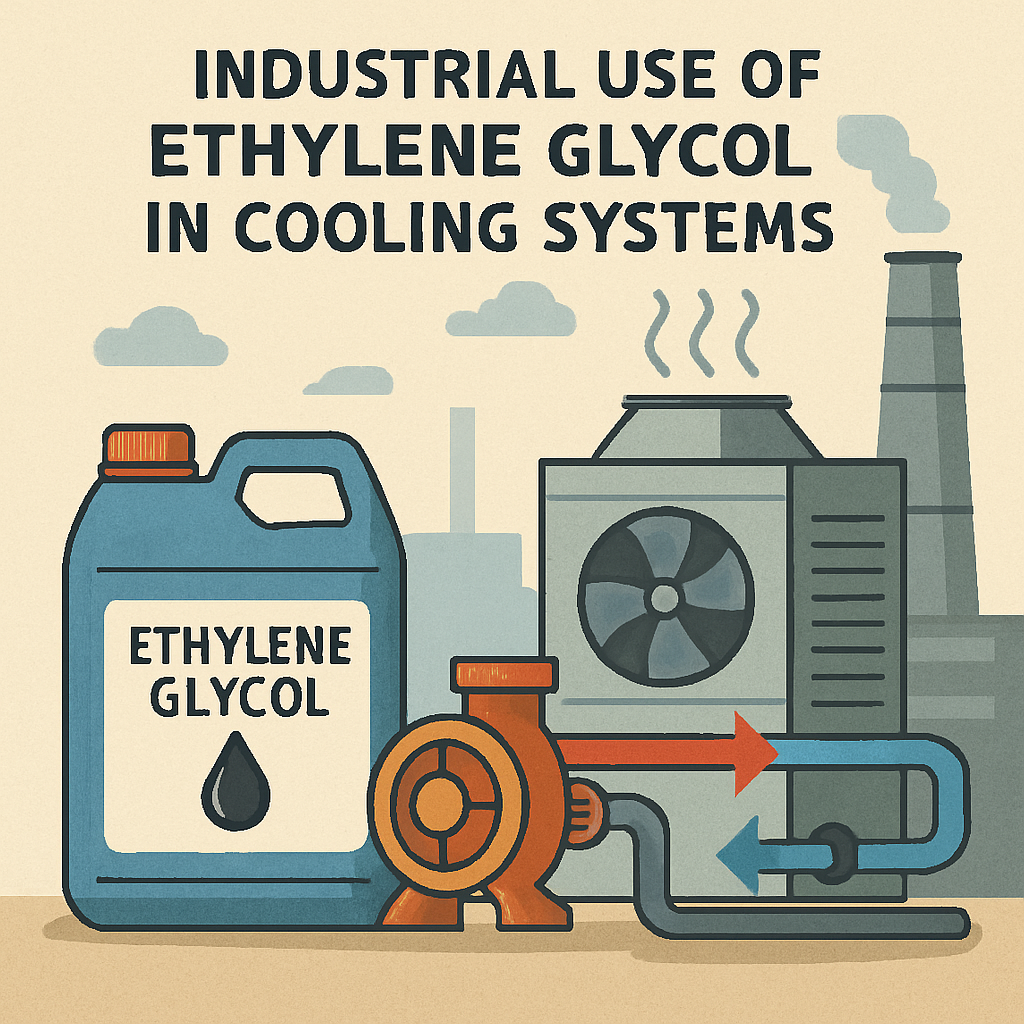
Industrial Use of Ethylene Glycol in Cooling Systems

Key properties of ethylene glycol

  • Chemical formula: C2H6O2 (CAS 107-21-1)
  • Boiling point: 197.3 deg C (387.1 deg F)
  • Freezing point: -12.9 deg C (8.8 deg F); lower in water blends
  • Density: approximately 1.11 g/cm3 at 20 deg C
  • Miscibility: fully miscible with water
  • Appearance: colorless, odorless, syrupy liquid with a sweet taste

Two of these properties matter for handling. Full water miscibility means spills spread fast and reach drains. The sweet taste attracts pets and children, which is why secure storage is non-negotiable. Ethylene glycol is also hygroscopic — it absorbs moisture from air — so containers must stay sealed to protect the material.

ethylene-glycol-cooling-systems Ethylene Glycol Safety and Properties: Industrial Buyer’s Guide
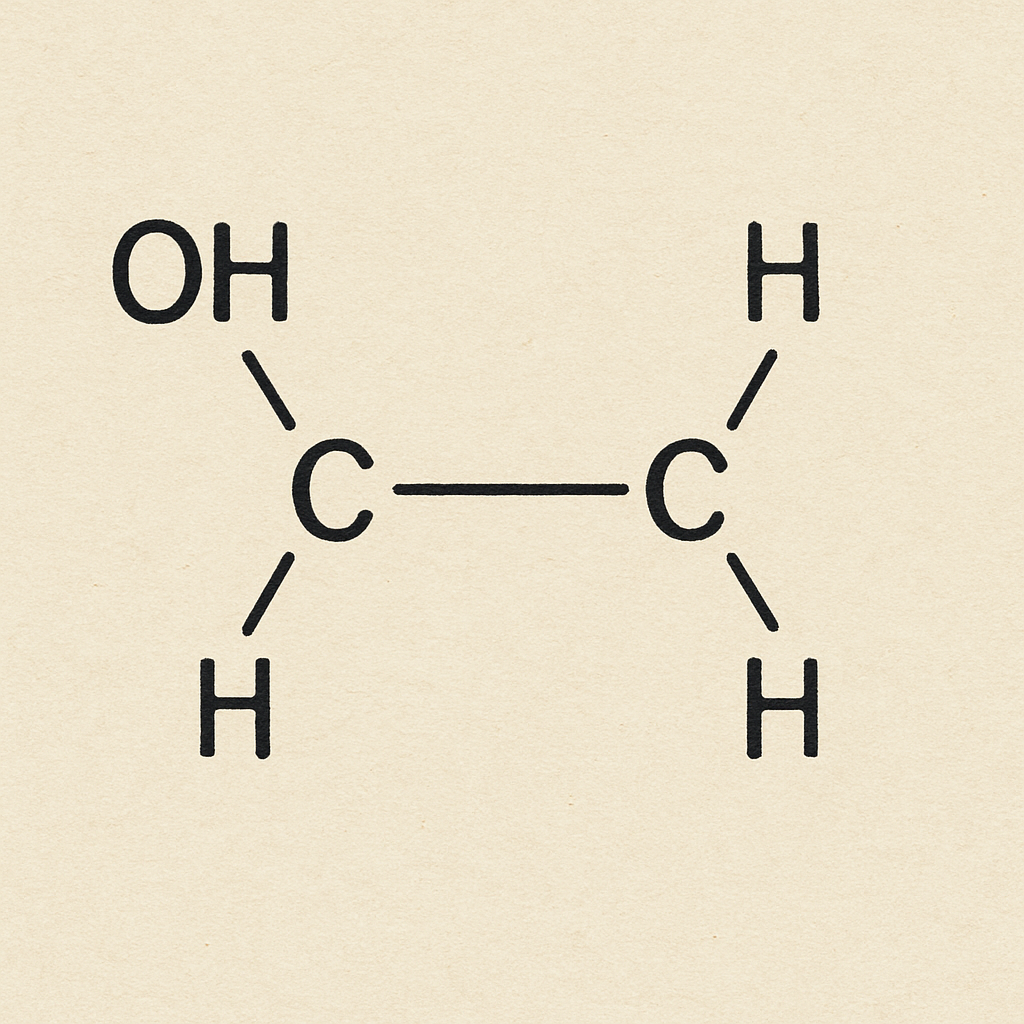
Molecular Structure of Ethylene Glycol

How toxic is ethylene glycol?

Very. The body metabolizes ethylene glycol into acids that attack the kidneys. Ingestion is the main hazard — small amounts can be fatal without treatment. Vapor exposure is a lower risk at room temperature, but heated or misted glycol irritates the respiratory tract. Skin contact causes irritation with prolonged exposure.

  • Ingestion: metabolic acidosis and kidney failure; medical emergency
  • Inhalation: respiratory irritation from vapors or mists
  • Skin and eyes: irritation on contact
  • Environment: harmful to aquatic life in waterways
  • Accidental poisoning: sweet taste attracts animals and children

For food-contact or incidental-exposure applications, do not use ethylene glycol at all. Substitute propylene glycol, which is FDA GRAS-listed — see our propylene glycol guide for the comparison.

Safe handling and PPE

  • Wear chemical-resistant gloves and goggles for all transfers
  • Use respiratory protection where glycol is heated, misted, or ventilation is poor
  • Train every handler on the SDS before first use, with periodic refreshers
  • Provide eyewash and quick-drench facilities in transfer areas

Storage, transport, and spills

  • Store in labeled, sealed containers in a cool, ventilated area, secured against access by children and animals
  • Keep spill kits staged where glycol is stored and transferred, and train staff on them
  • Contain spills immediately — glycol is water-miscible and reaches drains fast
  • Dispose of used glycol per local regulations; never to storm drains or waterways
  • Recycle where possible — reclaimed glycol programs cut cost and environmental footprint

Compliance and the SDS. Keep a current Safety Data Sheet for every glycol product on site — it is required under OSHA hazard communication, and it is where your team finds hazard identification, exposure controls, PPE requirements, and emergency response steps. Get the SDS from your supplier before the first delivery and review it during onboarding. Ours are in the RightPath SDS library.

Testing and quality control. Glycol degrades in service. Test concentration and pH on a routine schedule, inspect tanks and loops for leaks and contamination, and document results. Catching dilution or acidification early prevents corrosion damage and unplanned downtime.

Where to buy ethylene glycol in bulk. RightPath Industries supplies ethylene glycol and other glycols in drums, IBC totes, and tanker loads nationwide, in industrial and USP grades, with an SDS and Certificate of Analysis on every lot. See our bulk glycol supply program or request pricing for a same-day, all-in delivered quote.

Authoritative safety references. Ethylene glycol’s toxicity profile is well documented by federal agencies: the CDC’s ATSDR publishes a toxicological profile covering ingestion hazards and metabolic effects, and the NIOSH Pocket Guide entry lists exposure guidance and protective measures. For food-contact and incidental-exposure applications, propylene glycol — GRAS-listed by FDA — is the standard substitution; see our propylene glycol safety guide for the comparison.

Login / Register