Headquartered in Pittsburgh, Pennsylvania Call us: 888-255-2401

Where to Buy Denatured Alcohol in Bulk: Supplier & Buyer Guide

You buy denatured alcohol in bulk from an industrial chemical supplier or distributor, in 55-gallon drums, 275-gallon IBC totes, or bulk tankers. Completely denatured alcohol (CDA) can be purchased without a federal permit; specially denatured alcohol (SDA) requires a TTB industrial alcohol user permit. This guide covers where to buy, packaging sizes, permits, pricing factors, and what to verify before you order.

Where can you buy denatured alcohol in bulk?

Bulk denatured alcohol is sold by industrial chemical suppliers and distributors rather than retail stores. A supplier can provide the correct denaturant formula (such as CDA 12A or SDA 40B), the proof you need, and a Safety Data Sheet and Certificate of Analysis with each shipment. RightPath Industries supplies denatured and non-denatured ethanol in bulk with nationwide shipping — request a quote here.

What bulk sizes and packaging are available?

  • 5-gallon pails — small-batch or trial quantities.
  • 55-gallon drums — the most common industrial unit.
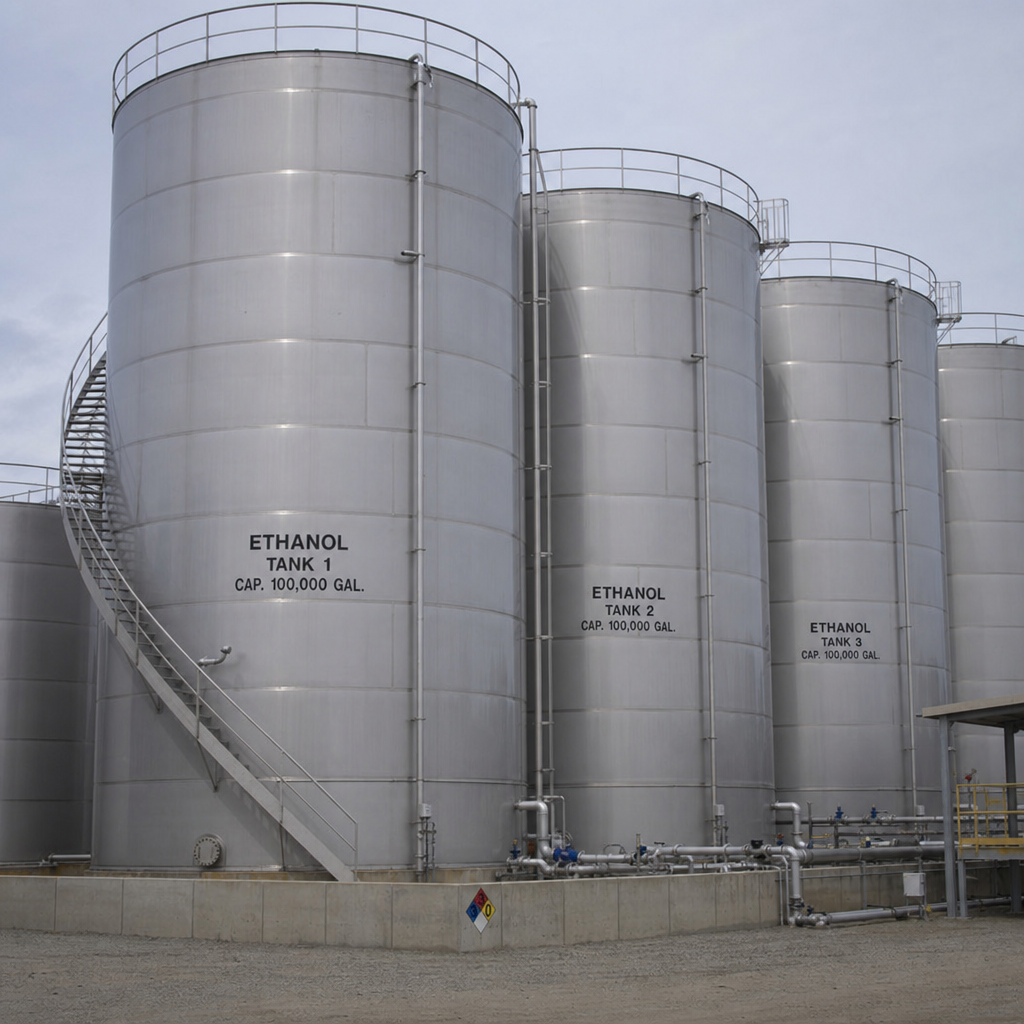
  • 275- and 330-gallon IBC totes — for higher-volume users.
  • Bulk tankers — full truckload quantities for manufacturers.

Denatured ethanol is commonly stocked at 190 proof (95%) and 200 proof (100%, anhydrous). Confirm which proof your process requires before ordering.

CDA vs. SDA: which can you buy without a permit?

Completely Denatured Alcohol (CDA) — for example CDA 12A (ethanol denatured with toluene or heptane under 27 CFR §21.26) — requires no federal permit for authorized industrial use. It is the fastest option to buy for cleaning, solvent, and industrial applications where the alcohol won’t touch skin or food.

Specially Denatured Alcohol (SDA) — for example SDA 40B (ethanol denatured with tert-butyl alcohol and denatonium benzoate) — requires an approved TTB industrial alcohol user permit. SDA 40B is the standard choice for cosmetics and personal-care products. Apply for the permit before ordering, as suppliers must have it on file.

How much does bulk denatured alcohol cost?

Bulk denatured alcohol pricing depends on the denaturant formula, proof, order volume, packaging, and current ethanol market rates. Because denatured alcohol is exempt from federal beverage excise tax, it is substantially cheaper than tax-paid pure ethanol for non-consumable use. Larger volumes (totes and tankers) carry a lower per-gallon cost than drums. Contact a supplier for a current quote based on your formula and quantity.

What to check before you buy

  • Denaturant formula — confirm CDA 12A, SDA 40B, or the specific formula your application requires.
  • Proof / purity — 190 vs. 200 proof affects performance and price.
  • Permit status — SDA requires a TTB user permit; CDA does not.
  • Documentation — insist on a current SDS and Certificate of Analysis.
  • Shipping & DOT — denatured alcohol is a flammable liquid; confirm hazmat-compliant packaging and freight.

Frequently asked questions

Do I need a license to buy denatured alcohol?

For completely denatured alcohol (CDA) you do not need a federal permit for authorized industrial use. For specially denatured alcohol (SDA), you need a TTB industrial alcohol user permit before purchasing.

What is the minimum order for bulk denatured alcohol?

Minimums vary by supplier, but bulk orders typically start at a single 55-gallon drum, with IBC totes and tanker loads available for higher volumes.

Is denatured alcohol the same as ethanol?

Denatured alcohol is ethanol (ethyl alcohol) with denaturants added to make it unfit for drinking. It behaves like ethanol as a solvent but is tax-free for industrial use and not for consumption.

Can I buy 200-proof denatured ethanol?

Yes. Denatured ethanol is available at 200 proof (100%, anhydrous) as well as 190 proof (95%), depending on the formula and your supplier’s stock.

Buy denatured alcohol in bulk from RightPath Industries

RightPath Industries supplies CDA 12A, SDA 40B, and non-denatured ethanol in drums, IBC totes, and bulk quantities with nationwide shipping and full documentation. Tell us your formula, proof, and volume and we’ll send a quote — contact our team here.

Denatured vs. Non-Denatured Ethanol: Which to Choose

When buyers source ethanol for industrial or commercial use, one of the first decisions is whether to use denatured or non-denatured ethanol. The two are chemically similar — both are ethyl alcohol — but they differ sharply in additives, regulation, tax treatment, and permitted uses. Choosing the wrong one can mean overpaying in excise tax, running into permit problems, or ruining a formulation. This guide breaks down the difference and helps you decide which to buy.

What Is Non-Denatured Ethanol?

Non-denatured ethanol (also called pure or undenatured ethanol) is ethyl alcohol with nothing added to make it undrinkable. It is available in food and USP grades and is used wherever purity matters and denaturants would be unacceptable — food and beverage production, pharmaceuticals, laboratory work, and analytical applications. Because it is potable-quality alcohol, non-denatured ethanol is subject to federal excise tax, and buying it tax-free for industrial use generally requires the appropriate TTB permit.

What Is Denatured Ethanol?

Denatured ethanol is ethyl alcohol that has had denaturants added to make it unfit for human consumption. Denaturing removes the federal beverage excise tax burden, which makes denatured ethanol substantially cheaper for non-consumable industrial use. There are two broad categories:

  • Specially Denatured Alcohol (SDA) — denatured with small amounts of specific denaturants for particular uses. Example: SDA 40B (ethanol denatured with tert-butyl alcohol and denatonium benzoate) is widely used in cosmetics and personal care. SDA generally requires a TTB industrial alcohol user permit.
  • Completely Denatured Alcohol (CDA) — more heavily denatured (for example, CDA 12A uses toluene or heptane). CDA requires no federal permit for authorized industrial use, but the denaturants make it unsuitable for skin contact, food, or ingestion.

Denatured vs. Non-Denatured: Key Differences

FactorNon-Denatured EthanolDenatured Ethanol
AdditivesNone — pure ethanolDenaturants added (varies by formula)
Federal excise taxYes (unless permitted)Tax-free for industrial use
Permit to buyUsually required for tax-free useSDA: permit required; CDA: no permit
Typical costHigherLower
Food/pharma/skin contactYesNo (SDA 40B allowed in cosmetics)
Common usesFood, beverage, pharma, labCleaning, solvents, fuel, cosmetics (SDA 40B)

Which Should You Choose?

Choose non-denatured ethanol if the alcohol will be consumed, applied to the body in a way that requires purity, used in pharmaceutical or food manufacturing, or needed for analytical work where denaturants would interfere. Be prepared for excise tax or the permitting required to avoid it.

Choose denatured ethanol if the alcohol is for non-consumable industrial use and you want to avoid excise tax. Within that, pick CDA 12A for general cleaning, solvent, and industrial applications where no skin or food contact occurs and you want to skip the permit process — or SDA 40B for cosmetics and personal-care products, keeping in mind SDA requires a TTB user permit.

Buy Ethanol in Bulk from RightPath Industries

RightPath Industries supplies both non-denatured and denatured ethanol — including SDA 40B and CDA 12A — in drums, IBC totes, and bulk quantities with nationwide shipping. If you’re not sure which grade fits your application or permit situation, contact our team and we’ll help you specify the right product.

Denatured Ethanol CDA 12A: Composition, Approved Uses, and Bulk Buyer Guide

Completely Denatured Alcohol Formula 12-A (CDA 12A) is one of the most widely used industrial ethanol grades in the United States. Because it is completely denatured, it can be purchased and used for industrial applications without a federal industrial alcohol permit, making it a practical, tax-free alternative to pure ethanol for cleaning, degreasing, and manufacturing. This guide covers its composition, approved uses, and what buyers should know before ordering in bulk.

What Is CDA 12A?

CDA 12A is ethyl alcohol (ethanol) that has been rendered unfit for human consumption by the addition of denaturants specified by the Alcohol and Tobacco Tax and Trade Bureau (TTB). “Completely denatured” means the alcohol is so thoroughly denatured that it is exempt from federal alcohol excise tax and does not require a TTB permit to buy or use for authorized industrial purposes — unlike specially denatured alcohol (SDA) or pure, non-denatured ethanol.

CDA 12A Composition and Formula

Under current federal regulations (27 CFR §21.26), Formula No. 12-A is produced as follows: to every 100 gallons of ethanol of not less than 185 proof, add 5 gallons of toluene or 5 gallons of heptane. These hydrocarbon denaturants make the ethanol unsuitable for beverage use while leaving its solvent and cleaning performance largely intact. Note that the TTB reclassified the completely denatured alcohol formulas in 2016; older references describing a methanol-based 12-A formula are outdated.

Approved Uses and Applications

CDA 12A is an industrial-grade solvent intended for non-consumable applications. Common uses include:

  • Cleaning and degreasing — surface prep, parts washing, and removing oils and residues in manufacturing.
  • Solvent applications — thinning and dissolving resins, coatings, inks, and adhesives.
  • Industrial processing — a carrier or reaction solvent in chemical manufacturing.
  • Fuel and antifreeze — blending, de-icing, and gas-line applications.
  • General shop and facility use — glass and surface cleaning where a fast-evaporating solvent is needed.

Because the toluene/heptane denaturants are aromatic and aliphatic hydrocarbons, CDA 12A is not appropriate for cosmetics, personal care, food contact, or any application where the alcohol touches skin or is ingested. For cosmetic and personal-care formulations, a specially denatured formula such as SDA 40B is the correct choice.

CDA 12A vs. SDA and Pure Ethanol

The key advantage of CDA 12A is regulatory simplicity. Pure (non-denatured) ethanol carries federal excise tax and generally requires a permit for tax-free industrial use. Specially denatured alcohol (SDA) grades require an approved TTB industrial alcohol user permit. CDA formulas, including 12A, require no federal permit for authorized industrial use, which shortens lead times and simplifies purchasing for most industrial buyers.

Where to Buy CDA 12A in Bulk

CDA 12A is typically sold in 5-gallon pails, 55-gallon drums, 275-gallon IBC totes, and bulk tanker quantities. When sourcing, confirm the proof (190 proof / 95% and 200 proof / 100% are common), the denaturant used, and that a current Safety Data Sheet (SDS) and Certificate of Analysis (C of A) are available. RightPath Industries supplies CDA 12A and other industrial ethanol grades in bulk with nationwide shipping. Contact our team for current pricing and bulk quantities.

Safety and Handling

CDA 12A is a flammable liquid and contains hydrocarbon denaturants that are harmful if inhaled or ingested. Store in a cool, well-ventilated area away from ignition sources, use appropriate PPE, and always follow the product SDS and OSHA requirements for flammable liquid storage.

Denatured Ethanol SDA 40B: Composition, Approved Uses, Cosmetics and Personal Care Applications, and Bulk Buyer Guide

If you are formulating cosmetics, crafting fine fragrances, or manufacturing personal care items, choosing the right solvent is a critical decision. Among the many options available, one specific grade of alcohol stands out as the industry standard. Welcome to our comprehensive manual on Denatured Ethanol SDA 40B: composition, approved uses, cosmetics and personal care applications, and a bulk buyer guide.

Whether you are a seasoned cosmetic chemist or a scaling business looking to optimize your supply chain, understanding the intricacies of this versatile ingredient is essential. Let’s dive into what makes this solvent a staple in manufacturing.

What is Denatured Ethanol SDA 40B?

At its core, denatured alcohol is standard ethanol that has been modified with additives (denaturants) to make it unfit for human consumption. This process exempts the alcohol from the heavy excise taxes typically applied to liquor. Denatured ethanol SDA 40B (Specially Denatured Alcohol 40B) is a highly specific, government-regulated formulation prized for its minimal odor and high purity.

The SDA 40B Denaturants Composition

What exactly goes into this specialized blend? The SDA 40B denaturants composition is strictly defined. To every 100 gallons of pure ethanol, manufacturers must add:

  • 1/8 of an ounce of denatonium benzoate
  • 1/8 of a gallon of tert-butyl alcohol (TBA)

The use of denatonium benzoate in personal care products is strategic. Recognized as one of the most bitter chemical compounds known, just a microscopic amount ensures the product is unpalatable, successfully deterring accidental ingestion without altering the chemical performance of the denatured ethanol.

Specially Denatured Alcohol vs Isopropyl Alcohol

Many formulators weigh specially denatured alcohol vs isopropyl alcohol (rubbing alcohol). While isopropyl alcohol is cheaper and widely used as an antiseptic, it carries a strong, harsh odor. SDA 40B, on the other hand, is practically odorless once it dries. This makes SDA 40B vastly superior for products where scent profile and a lightweight, premium feel are paramount.

Approved Uses and Cosmetic Applications

From daily hygiene products to luxury perfumes, SDA 40B is an invisible workhorse. But how exactly is it applied across the personal care spectrum?

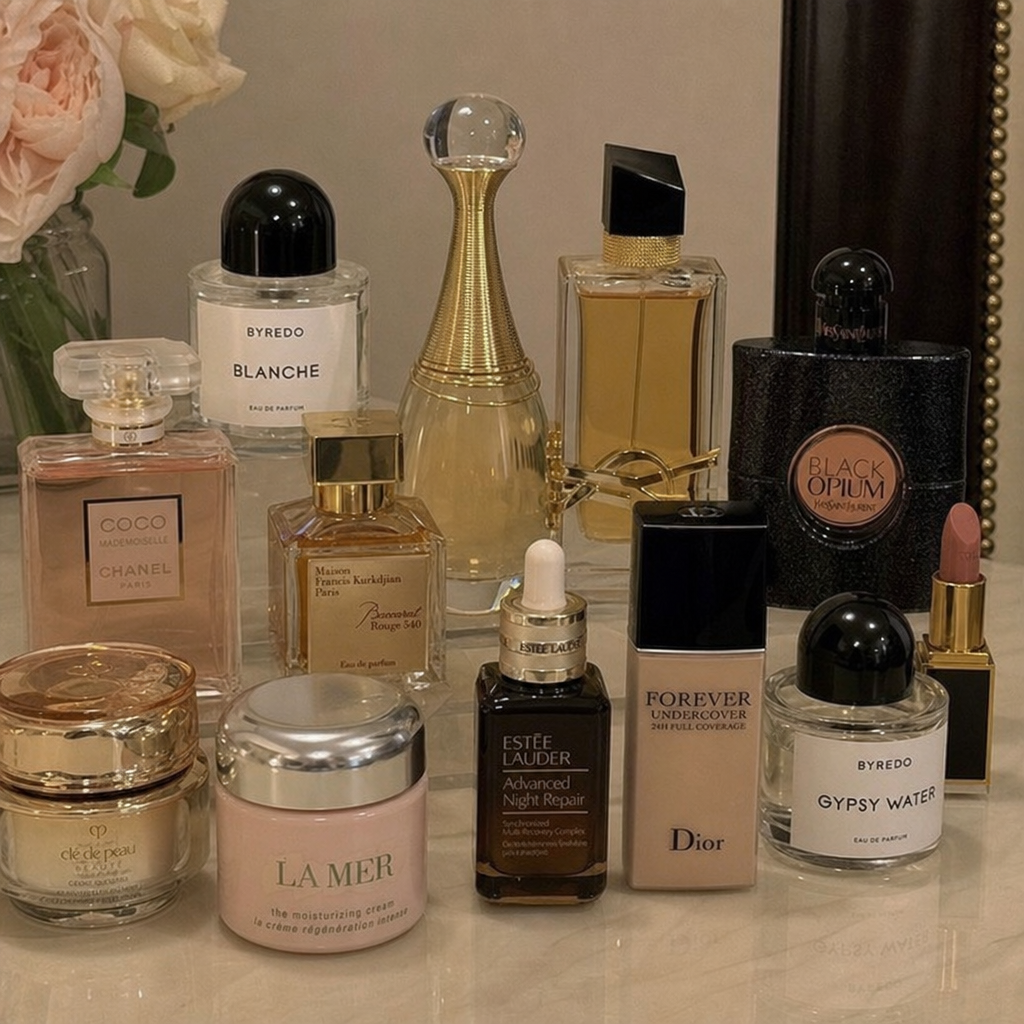
Fragrances and Perfumery

sda-40b-perfume-fragrance-cosmetics Denatured Ethanol SDA 40B: Composition, Approved Uses, Cosmetics and Personal Care Applications, and Bulk Buyer Guide

If you have ever wondered why SDA 40B is preferred for fragrances, the answer lies in its olfactory neutrality. Because the denaturants (TBA and denatonium benzoate) are virtually scentless, they do not clash with delicate essential oils or synthetic aroma chemicals. This allows the true notes of a perfume to shine through brilliantly.

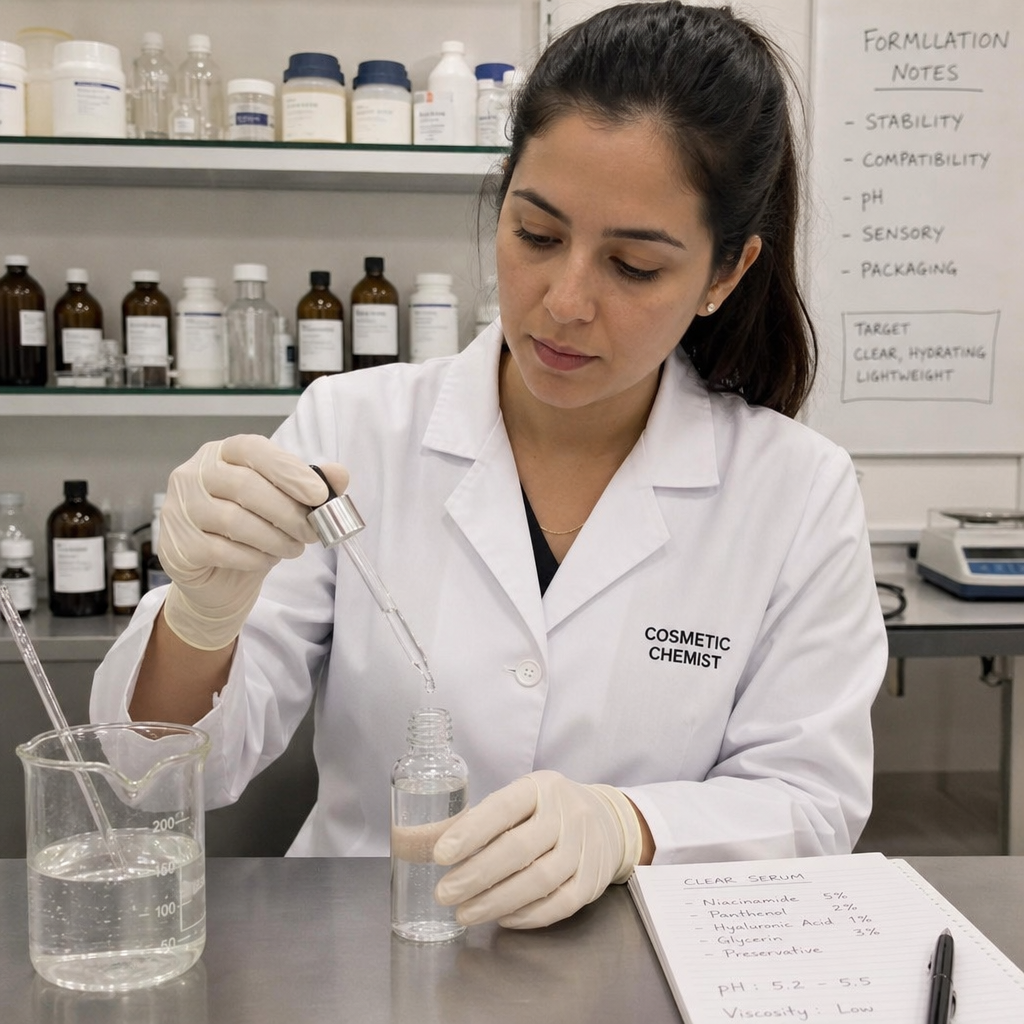
Skincare and Cosmetics

sda-40b-perfume-fragrance-cosmetics Denatured Ethanol SDA 40B: Composition, Approved Uses, Cosmetics and Personal Care Applications, and Bulk Buyer Guide

A common question among consumers and new formulators is whether SDA 40B is safe for skin. The short answer is yes. When used in properly balanced formulations, it acts as an excellent astringent, solvent, and delivery system for active ingredients. It evaporates rapidly, creating a weightless finish on the skin.

Haircare Formulations

There are numerous Specially Denatured Alcohol 40B applications in haircare. It is the primary volatile solvent in aerosol hairsprays, dry shampoos, and volumizing mousses. It dissolves styling polymers efficiently and evaporates in seconds, locking hairstyles in place without leaving the hair feeling wet or heavy.

Sanitizers and Antiseptics

The benefits of using denatured alcohol in sanitizers cannot be overstated. It provides broad-spectrum antimicrobial properties, rapidly destroying bacteria and viruses on contact. Unlike some alternative solvents, SDA 40B evaporates cleanly, preventing that undesirable sticky residue often left behind by lower-grade sanitizer gels.

Navigating Formulation Choices

When sourcing your ingredients, you will encounter a few critical variations of SDA 40B. Choosing the right one depends entirely on your end product.

SDA 40B 200 Proof vs 190 Proof

Understanding the difference between SDA 40B 200 proof vs 190 proof is vital for cosmetic chemistry:

  • 200 Proof (Absolute): Contains 100% alcohol (aside from denaturants) and 0% water. It is ideal for anhydrous (water-free) formulations, such as aerosol sprays and specific botanical extractions.
  • 190 Proof: Contains roughly 95% alcohol and 5% water. This is the most common choice for perfumes, room sprays, and general cosmetics, as the slight water content actually helps to open up fragrance notes.

Organic Alternatives

For brands targeting the clean beauty market, you aren’t limited to conventional synthetic options. You can now source organic ethanol for cosmetic formulation. By using certified organic cane or corn ethanol as the base before the standard SDA 40B denaturing process, brands can maintain their eco-friendly, natural label claims while still benefiting from top-tier solvent performance.

Bulk Buyer Guide: Sourcing, Compliance, and Storage

Transitioning from lab-scale formulation to commercial manufacturing requires a solid understanding of logistics, regulations, and safety. Here is your checklist for bulk purchasing.

sda-40b-perfume-fragrance-cosmetics Denatured Ethanol SDA 40B: Composition, Approved Uses, Cosmetics and Personal Care Applications, and Bulk Buyer Guide

Sourcing High-Quality Suppliers

When you are ready to scale, partnering with reliable perfume grade alcohol bulk suppliers is non-negotiable. Sourcing high-purity ethanol for personal care ensures your final products remain consistent, free from unwanted impurities, and perfectly clear. Always request a Certificate of Analysis (COA) before purchasing a drum or tote.

Regulatory Compliance and Taxes

Dealing with alcohol requires strict adherence to federal laws. Familiarize yourself with the TTB regulations for specially denatured alcohol (Alcohol and Tobacco Tax and Trade Bureau). Depending on your purchase volume, you may need to apply for an industrial alcohol user permit.

The primary financial advantage here is the industrial ethanol tax exemption for manufacturing. Because SDA 40B is chemically altered to prevent consumption, your business avoids the astronomical excise taxes applied to beverage alcohol, keeping your production costs manageable.

Safety and Storage Protocol

Ethanol is highly flammable, meaning facility safety is paramount. If you are wondering how to store bulk ethanol safely, follow these core guidelines:

  • Temperature Control: Store in a cool, well-ventilated environment away from direct sunlight or heat sources.
  • Grounding: Ensure all bulk drums and transfer pumps are properly grounded to prevent static sparks.
  • Containment: Use secondary containment pallets to catch any accidental spills.

Finally, never overlook your Ethanol SDA 40B SDS requirements. The Safety Data Sheet (SDS) must be easily accessible to all employees handling the chemical. It outlines emergency first aid, firefighting measures, and proper PPE, ensuring you remain fully compliant with OSHA regulations.

Conclusion

Mastering the use of denatured ethanol is a rite of passage for any successful personal care manufacturer. From its odorless denaturant profile that makes it the darling of the fragrance world, to its rapid-drying properties in haircare, SDA 40B is a truly indispensable solvent. By understanding the chemical composition, choosing the right proof, and adhering strictly to bulk storage and TTB guidelines, you can ensure your manufacturing process is safe, compliant, and cost-effective.

Non-Denatured (Pure) Ethanol: Uses, Purity Grades, Regulatory Notes, and Where to Buy in Bulk

Whether you are an artisanal botanical extractor, a commercial manufacturer, or a laboratory researcher, understanding the nuances of pure alcohol is essential for your work. Navigating the world of solvents can feel overwhelming, but a comprehensive guide on Non-Denatured (Pure) Ethanol: uses, purity grades, regulatory notes, and where to buy in bulk is precisely what you need. This guide will help you understand the chemical distinctions, safety protocols, legal red tape, and purchasing strategies required to use this powerful solvent efficiently and legally.

Understanding the Basics: Denatured vs Non-Denatured Alcohol Differences

Before exploring applications and sourcing, it is critical to understand what makes non-denatured pure ethanol unique. The primary distinction lies in the chemical additives.

Denatured alcohol is intentionally formulated with toxic bittering agents—such as methanol, isopropyl alcohol, or acetone—designed to make it entirely undrinkable. Because it cannot be consumed, it is exempt from hefty beverage taxes, making it cheap for industrial cleaning or fueling stoves. However, it is completely unsuitable for products meant for human consumption or topical use.

Conversely, non-denatured ethanol contains zero toxic additives. It is 100% pure ethyl alcohol. Because it is chemically safe for human consumption, it is tightly regulated by the government.

Decoding Solvent Purity Grades and Standards

Not all pure alcohol is created equal. Understanding ethanol purity is crucial for ensuring both product safety and the efficacy of your formulations. Here are the primary classifications you will encounter in the market:

ethanol-certificate-of-analysis-purity Non-Denatured (Pure) Ethanol: Uses, Purity Grades, Regulatory Notes, and Where to Buy in Bulk

Food Grade Ethanol: This grade is certified safe for human consumption. It is the backbone of the culinary, beverage, and natural supplement industries.

USP Grade Ethanol: This grade meets the rigorous, heavily documented standards set by the United States Pharmacopeia. When comparing USP grade vs food grade ethanol, USP grade guarantees that the solvent is manufactured, packaged, and stored under strict pharmaceutical guidelines. It is the mandatory choice for medical, pharmaceutical, and high-end cosmetic applications.

ACS Grade: Meeting the standards of the American Chemical Society, ACS grade is strictly utilized in rigorous analytical laboratories where even microscopic impurities could ruin an experiment.

Always ask your supplier for certificates of analysis (COAs) prior to purchasing. A COA acts as a chemical resume for your alcohol, providing exact batch specifications to prove that the liquid meets your required solvent purity grades and standards.

Versatile Applications: Ethanol Uses Across Industries

Because it lacks toxic chemical additives, pure ethanol is one of the most versatile solvents on the market. Let’s look at a few of the most prominent ethanol uses.

Herbal Extracts and Tinctures

A common question from beginner herbalists is whether pure ethanol is safe for tinctures. It is—in fact, it is the industry’s gold standard. High-proof alcohol effectively pulls medicinal compounds from plant matter while acting as a robust natural preservative. Many artisanal makers specifically seek out organic cane ethanol for extractions because it boasts a clean, sweet flavor profile and guarantees an absence of pesticide residues in the final herbal medicine.

Botanical and Oil Extractions

In commercial sectors, ethanol extraction for botanical oils—including essential oils, fragrances, and hemp extracts—is highly favored for its yield and safety compared to hydrocarbon solvents like butane. Typical 200 proof food grade ethanol uses include cold, deep extractions where water content must be avoided entirely. The lack of water in 200-proof (100%) alcohol prevents it from pulling unwanted water-soluble plant waxes and chlorophyll into the final oil.

Scientific and Laboratory Work

Scientists frequently rely on anhydrous ethanol for laboratory research. The term “anhydrous” translates to “without water.” Because 200-proof ethanol contains virtually zero moisture, it is a flawless solvent for moisture-sensitive chemical reactions, DNA precipitation, and preserving biological specimens.

Manufacturing and Industrial Sectors

Beyond botanicals and labs, there are countless industrial uses for undenatured ethanol. It is a foundational ingredient in manufacturing high-end perfumes, pharmaceutical-grade hand sanitizers, and natural flavorings like vanilla extract.

Dilution Ratios and Safe Storage

When working with high-proof alcohol, precision and safety must be prioritized.

ethanol-certificate-of-analysis-purity Non-Denatured (Pure) Ethanol: Uses, Purity Grades, Regulatory Notes, and Where to Buy in Bulk

Mastering the Math. You will rarely need 100% pure alcohol for every single application. Calculating ethanol dilution ratios is a standard daily practice for formulators. For instance, diluting 200-proof ethanol down to 70% (the ideal concentration for sanitizing sprays or certain herbal extractions) requires a specific mathematical formula using distilled water to achieve the precise volume. Always use a reliable dilution calculator to ensure your concentrations are exact.

Prioritizing Safety. Because pure alcohol is highly flammable and volatile, safe storage for bulk pure alcohol is non-negotiable:

  • Always store bulk quantities in a cool, climate-controlled, well-ventilated area.
  • Keep containers away from direct sunlight, static electricity, and all potential ignition sources.
  • Use grounded, fire-rated safety cabinets for storage.
  • Ensure your warehouse or lab facility complies fully with local fire marshal codes regarding hazardous materials.

Navigating Regulatory Notes and Taxes

Purchasing pure alcohol isn’t quite as simple as checking out on an e-commerce site; there is a significant amount of federal red tape.

Because undenatured alcohol is legally categorized as beverage-grade alcohol, the United States government levies a hefty federal excise tax on undenatured spirits. In many cases, this tax is substantially higher than the cost of the liquid solvent itself, drastically increasing your overhead.

However, there is a legal workaround. If you are using the alcohol strictly for non-beverage manufacturing, medical, educational, or scientific purposes, you may qualify to have these taxes waived. To do this legally, you must apply for a TTB permit for tax-free ethanol through the Alcohol and Tobacco Tax and Trade Bureau. Securing this permit requires a dedicated application process, background checks, meticulous record-keeping, and an approved industrial use case. While it takes effort, holding a TTB permit can save your business thousands of dollars annually.

Where to Buy Bulk Pure Ethanol

When scaling up your business operations, buying by the single gallon is no longer cost-effective. You will need to transition to purchasing in 5-gallon jugs, 55-gallon drums, or even 275-gallon totes. To do this smoothly, you must partner with reputable wholesale pure ethyl alcohol suppliers.

ethanol-certificate-of-analysis-purity Non-Denatured (Pure) Ethanol: Uses, Purity Grades, Regulatory Notes, and Where to Buy in Bulk

Tips for choosing a reliable supplier:

  • Check regulatory compliance: Ensure the supplier is federally registered to sell undenatured alcohol and can seamlessly process your TTB permit paperwork if you have one.
  • Demand transparency: Never buy bulk solvents blindly. Reputable suppliers will proudly provide COAs for every batch.
  • Assess shipping logistics: Pure ethanol is classified as a hazardous material (Hazmat). Shipping Hazmat goods is highly regulated, expensive, and complex. Choose an experienced supplier with a proven track record in safe, legal Hazmat transport to avoid costly supply chain delays.

Final Thoughts

From crafting artisanal vanilla extracts to performing cutting-edge laboratory research, pure, undenatured ethanol is an indispensable tool. While the initial federal regulations and excise taxes can seem daunting to newcomers, understanding the vital differences in purity grades, securing the proper TTB permits, and prioritizing safe storage protocols will set your operations up for long-term success. By partnering with knowledgeable, transparent wholesale suppliers, you can confidently source the perfect grade of pure ethanol to elevate your products and streamline your workflow.

Login / Register