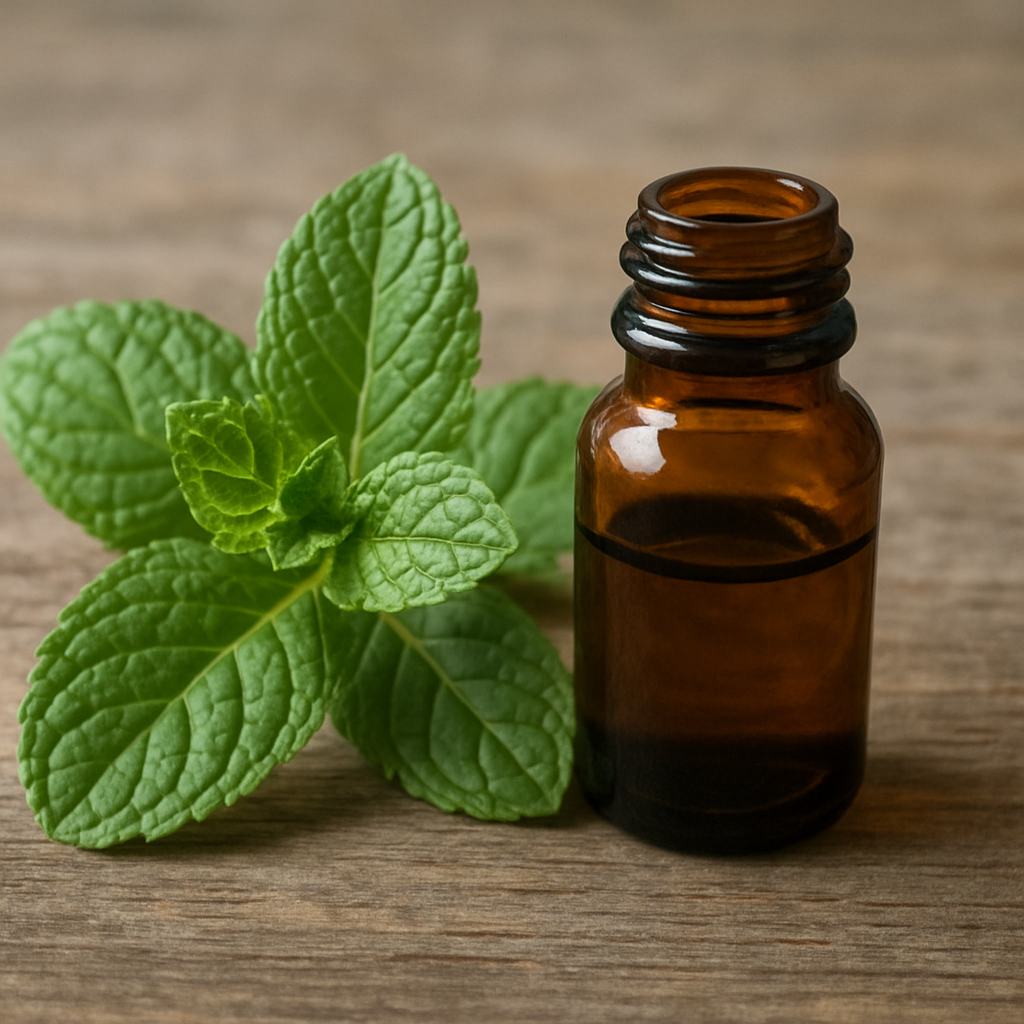
Whether you are looking to soothe a stubborn tension headache, revitalize your morning routine, or naturally deter pests from your home, few botanical extracts are as highly prized as the mighty peppermint leaf. Cultivated for centuries, the crisp, invigorating aroma of this plant has cemented its place as a staple in both natural wellness and modern households.
However, walking down the wellness aisle or browsing online stores can be overwhelming. With countless bottles boasting various claims, finding the best peppermint oil requires knowing exactly what to look for.
In this comprehensive buyer’s guide, we will explore the myriad of peppermint oil uses, dive deeply into proven peppermint oil benefits, and equip you with the knowledge to select, safely apply, and maximize the potential of this incredible botanical extract.
What Makes the Best Peppermint Oil? A Buyer’s Checklist
Not all essential oils are created equal. To reap the maximum therapeutic rewards, you must ensure that the product you purchase is authentic, potent, and safe. Here is what to look for when shopping for pure peppermint oil:
1. Botanical Name and Grade
Always check the label for the exact botanical name. You want to see Mentha piperita therapeutic grade listed on the bottle. Mentha piperita is the true peppermint plant, a natural cross between watermint and spearmint. The “therapeutic grade” label, while largely a marketing term in some regions, generally indicates that the company prioritizes purity and intends the product for wellness applications rather than mere fragrance.
2. The Extraction Process
The highest quality products utilize the steam distilled extraction method. This traditional process uses gentle steam to separate the volatile compounds from the plant’s leaves without the use of harsh chemical solvents. Steam distillation ensures that the resulting peppermint essential oil retains its delicate therapeutic properties and natural aroma intact.
3. Menthol Concentration
The defining characteristic of peppermint is its cooling, minty profile, which comes from menthol. When evaluating brands, look for those that boast a high menthol content in essential oils. A premium oil will typically contain between 40% to 50% menthol, which is the driving force behind its physical and aromatic benefits.
4. Sourcing: Organic vs Conventional Peppermint Oil
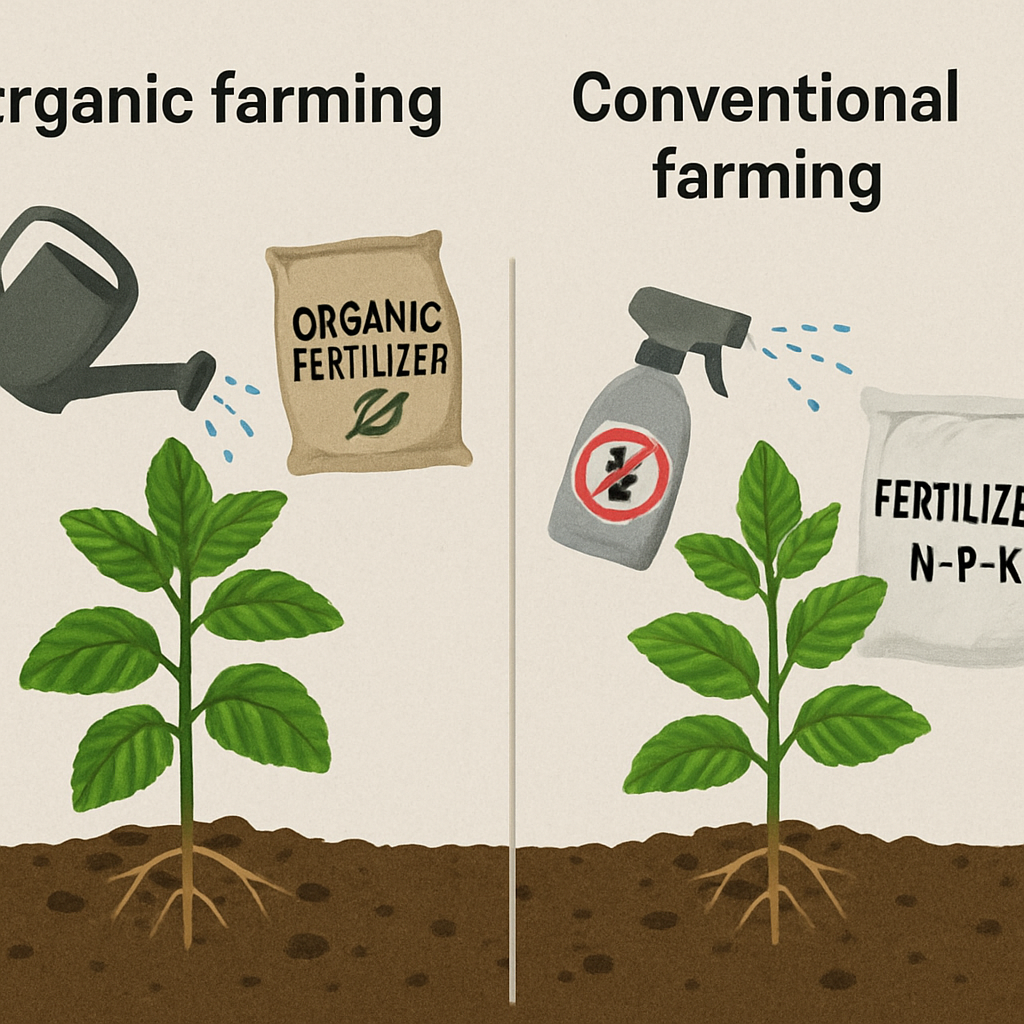
When deciding between organic vs conventional peppermint oil, consider how you plan to use it. If you intend to use the oil topically on sensitive skin, organic peppermint oil is the safer choice. It guarantees that the plants were grown without synthetic pesticides or herbicides, preventing toxic residues from becoming concentrated during the distillation process.
Internal Wellness: Navigating Peppermint Oil Capsules
While liquid essential oil is ideal for aromatherapy and topical use, many people turn to internal supplementation for gastrointestinal health.
When searching for the best peppermint oil capsules, prioritize enteric-coated options. Enteric coating ensures that the capsule survives the harsh, acidic environment of your stomach and dissolves only once it reaches your intestines. This is crucial for effectively relieving digestive issues with peppermint, such as bloating, gas, and symptoms associated with Irritable Bowel Syndrome (IBS).
When should you take them? The best time to take peppermint oil capsules is generally 30 to 60 minutes before a meal. Taking them on an empty stomach allows the capsule to pass smoothly into the intestinal tract before food activates heavy stomach acid production, minimizing the risk of mint-flavored heartburn.
Unlocking Powerful Peppermint Oil Benefits
The true magic of this botanical lies in its versatility. From head to toe, the applications are vast and scientifically supported.
Health and Wellness Advantages
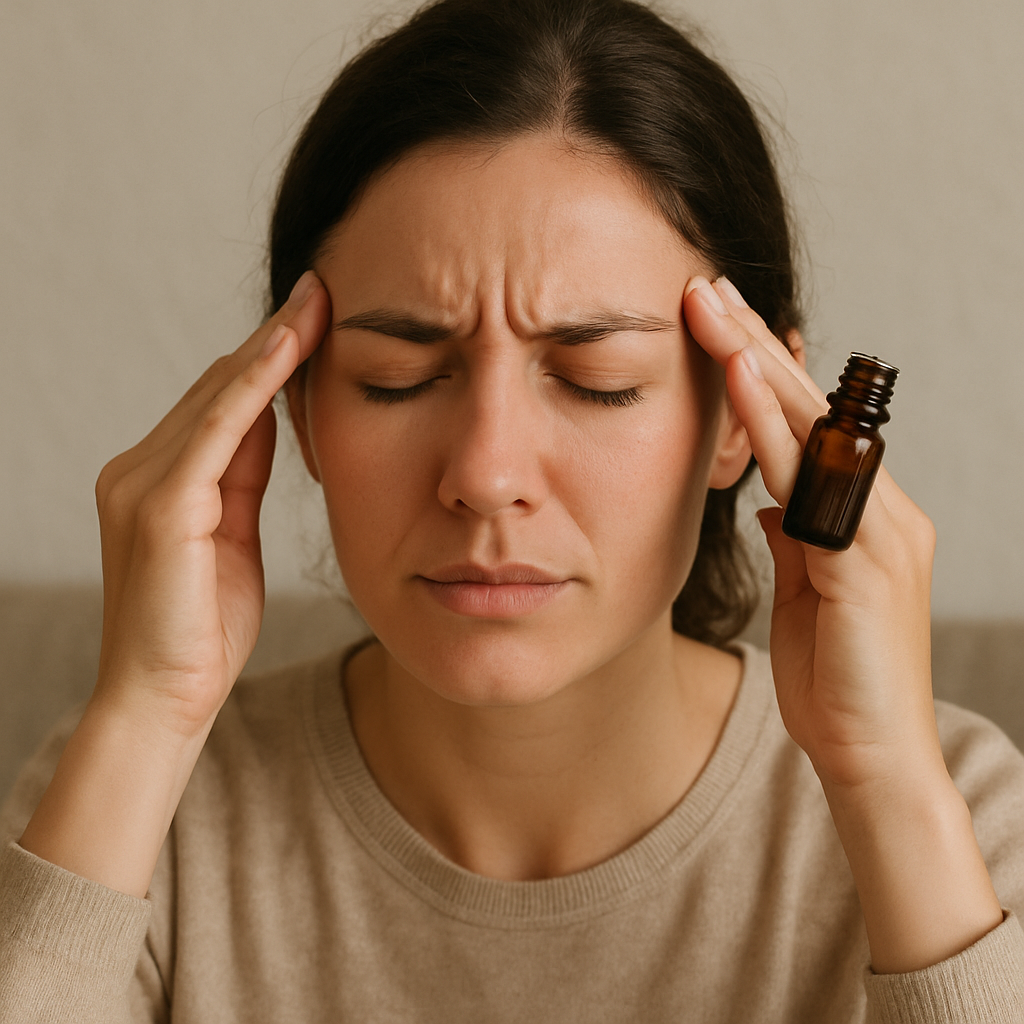
- Targeting Headaches: If you are wondering how to use peppermint oil for headaches, the method is incredibly simple. The menthol in the oil relaxes muscles and eases pain. Simply dilute a few drops in a gentle carrier oil and massage it into your temples, the back of your neck, and your forehead. Avoid getting it too close to your eyes, as the vapors can cause watering.
- Cognitive Boost: Feeling the afternoon slump? The crisp scent is excellent for enhancing focus and mental clarity. Inhaling the aroma stimulates the limbic system, naturally waking up your brain without the jitters associated with an extra cup of coffee.
Hair and Skin Care
- Scalp Stimulation: A common question in the beauty community is: does peppermint oil stimulate hair growth? Research suggests it does. Menthol acts as a vasodilator, meaning it widens blood vessels and increases blood flow. When massaged into the scalp, it delivers more oxygen and nutrients to hair follicles, potentially promoting thicker, faster hair growth.
- Skin Soothing: Because of its natural cooling effect on skin, peppermint is a fantastic addition to post-workout muscle rubs or sunburn relief lotions. It essentially tricks your brain into perceiving a cold sensation, instantly dulling itchiness, mild pain, and inflammation.
Practical Everyday Uses for Your Home
Beyond personal care, you can integrate this essential oil into your daily household routines. Here are some of the most practical applications:
Creating an Invigorating Atmosphere
One of the easiest ways to utilize this oil is through aromatherapy. Crafting refreshing peppermint oil diffuser blends can transform a stale room into an energizing oasis. Try combining 3 drops of peppermint, 3 drops of wild orange, and 2 drops of frankincense for a bright, uplifting morning blend.
Note on Scent Profiles: If you find the aroma of peppermint too sharp, you might wonder about peppermint vs spearmint essential oil. Spearmint (Mentha spicata) contains significantly less menthol, making its scent sweeter, softer, and more subtle. It’s an excellent alternative for children or those with sensitive noses.
Natural Pest Control
If you prefer to keep harsh chemicals out of your home, using peppermint oil for rodent repellent is a highly effective, eco-friendly strategy. Mice, rats, and even spiders despise the overwhelming scent of menthol. Soak cotton balls in pure peppermint oil and place them near entry points, under sinks, and in dark corners of your garage to naturally deter pests.
DIY Cooling Sprays
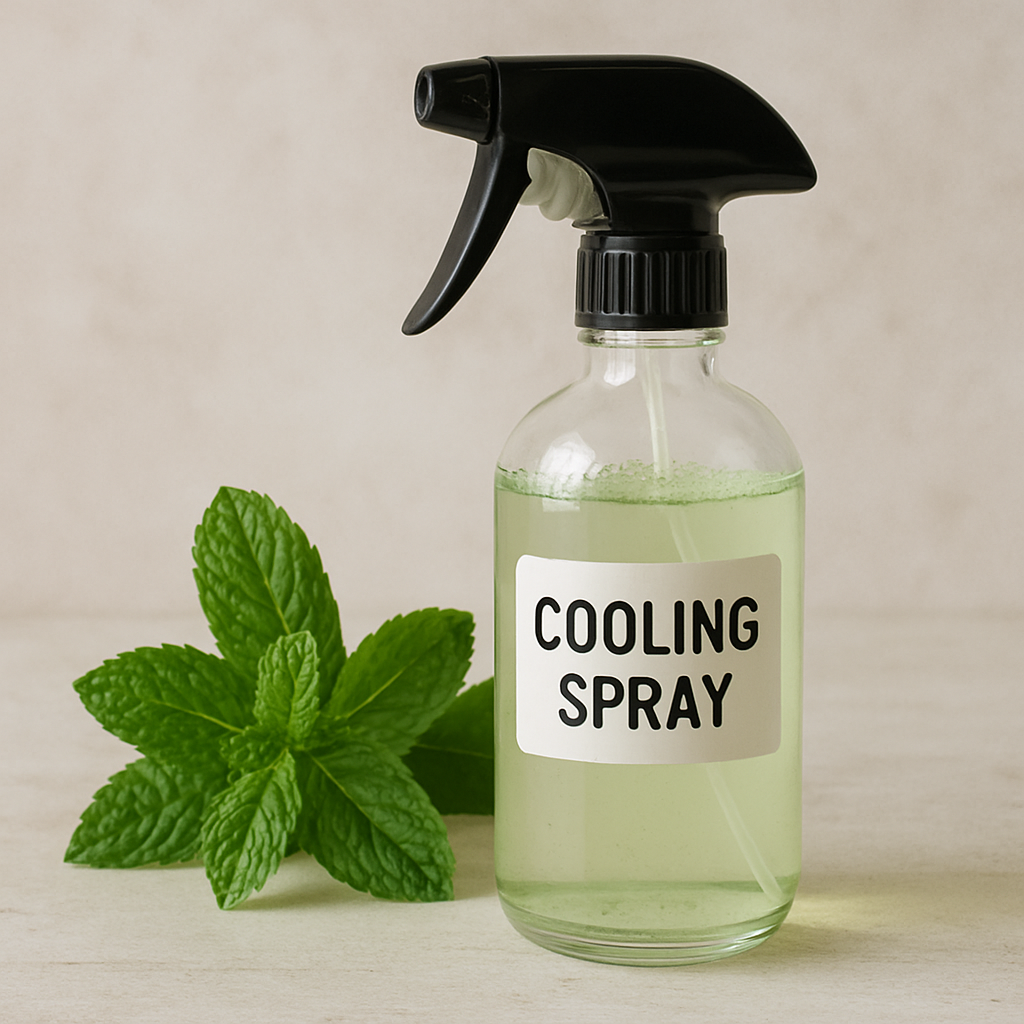
During the peak of summer, making homemade peppermint cooling spray is a game-changer.
Quick Recipe:
- Fill a 4-ounce glass spray bottle with 3 ounces of distilled water and 1 ounce of witch hazel.
- Add 10-15 drops of organic peppermint essential oil.
- Shake well before each use and mist over your neck and arms for instant relief from the heat. (Keep it away from your face to protect your eyes!)
Safety First: Proper Usage and Precautions
As with all highly concentrated plant extracts, safety and responsible usage must be a priority.
The Importance of Dilution
Never apply pure, undiluted peppermint essential oil directly to your skin. Because of its high menthol concentration, it can cause severe irritation, redness, or chemical burns. Diluting essential oils with carrier oils—such as jojoba, fractionated coconut, or sweet almond oil—is an absolute necessity. A safe topical dilution ratio for adults is generally 2% to 3%, which equates to about 12 to 18 drops of essential oil per ounce of carrier oil.
Pet Safety Warnings
While humans reap incredible benefits from this plant, pet owners must exercise extreme caution. Peppermint oil toxicity in pets is a serious, well-documented issue. Dogs, and especially cats, lack the specific liver enzymes required to break down and metabolize the chemical compounds found in peppermint.
Exposure—whether through direct skin contact, ingestion, or even inhaling heavy concentrations from an active diffuser—can lead to respiratory distress, liver damage, vomiting, and lethargy. If you have furry friends at home, use diffusers in well-ventilated rooms where pets cannot enter, and never apply the oil to their coats or paws.
The Final Takeaway
Navigating the world of essential oils doesn’t have to be complicated. By prioritizing high-quality, sustainably sourced Mentha piperita, you unlock a versatile tool for your natural wellness arsenal.
Whether you are seeking out the best peppermint oil to craft an energizing diffuser blend, looking to soothe your digestive tract with enteric-coated capsules, or creating a natural barrier against household pests, this incredible botanical delivers. Remember to always prioritize safety by diluting properly and keeping your pets in mind, and you will easily be able to harness the full, refreshing power of peppermint in your everyday life.
For a deeper look at what drives this oil’s performance beyond the wellness aisle, explore our overview of peppermint oil properties and industrial uses.