You buy acetone in bulk from an industrial chemical distributor — in 55-gallon drums, 275- or 330-gallon IBC totes, or full tanker loads. The right supplier depends on your volume, grade, and delivery needs. This guide covers the grades, supplier types, pricing tiers, and the OSHA and DOT rules that apply once the drums hit your dock.
Need a number now? RightPath Industries stocks acetone in drums, totes, and bulk — railcar and tank truck volumes included. Request pricing for a same-day quote.

Understanding Your Application: Which Grade Do You Need?
Before reaching out to suppliers, it is crucial to pinpoint exactly what type of acetone your operation requires. Not all solvents are manufactured to the same specifications, and using the wrong grade can ruin a production run or inflate your budget unnecessarily.
Technical Grade vs. Reagent Grade
The primary difference between technical and reagent grade acetone lies in their purity levels and intended applications.
- Technical Grade Acetone: This is the standard industrial grade. It typically boasts a purity of around 99% or slightly higher. It is incredibly effective for heavy-duty degreasing, thinning fiberglass resins, dissolving adhesives, and cleaning manufacturing equipment.
- Reagent Grade Acetone (or ACS Grade): This grade undergoes rigorous purification processes to meet standards set by the American Chemical Society. It is used in analytical laboratories, pharmaceutical manufacturing, and sensitive high-tech applications where even trace impurities could compromise results.
When you are looking for high-purity industrial grade chemical solvents, it is essential to communicate your exact application to your supplier to ensure you are not overpaying for analytical purity when a standard technical grade would suffice.
Solvent Comparisons for Industrial Cleaning
Facility managers frequently debate the merits of bulk acetone versus isopropyl alcohol for cleaning. While both are excellent solvents, acetone evaporates much faster and is a stronger degreaser, making it ideal for removing heavy resins, paints, and waxes. Isopropyl alcohol (IPA), on the other hand, is less aggressive, making it safer for delicate plastics, electronics, and medical device sanitation.
Finding Reliable Industrial Suppliers
The chemical market is vast, and knowing where to source your materials safely is paramount. The chemical distribution networks in North America are robust, consisting of global manufacturers, massive national distributors, and agile regional blenders.
Sourcing Bulk Acetone Suppliers
When looking for bulk acetone suppliers for industrial use, you generally have three options:
- Direct Manufacturers: Ideal for massive, ongoing chemical needs (e.g., full tanker trucks).
- National Chemical Distributors: These companies buy in astronomical quantities and break them down into totes and drums. They offer vast catalogs and strong logistical support.
- Local/Regional Distributors: Often provide faster shipping and more personalized customer service for mid-sized operations.
Vetting Your Partners
You should never partner with a chemical vendor without first verifying industrial chemical supplier certifications. Look for suppliers who are ISO 9001 certified for quality management and members of the National Association of Chemical Distributors (NACD). These certifications ensure that the supplier adheres to strict safety, environmental, and quality control standards.
Navigating Costs: Pricing and Procurement Strategies
Developing a smart wholesale solvent procurement strategy can save your company thousands of dollars annually. Because acetone is a byproduct of phenol production (which is tied to the petrochemical industry), acetone pricing fluctuates based on crude oil prices, supply chain disruptions, and global manufacturing demands.
Understanding Acetone Costs
If you are buying mid-level volumes, you are likely looking at drum pricing. The average acetone 55 gallon drum price can vary significantly—usually ranging from $300 to $600 depending on the current market, the grade of the chemical, and shipping distances.
To lower these costs, you need to understand what the bulk discount tiers for solvents are:
- Pails (5-gallon): Highest cost per gallon.
- Drums (55-gallon): Standard industrial unit; moderate discount.
- Totes/IBCs (275 to 330-gallon): Significant cost savings per gallon; requires forklift access.
- Bulk Tanker Trucks (5,000+ gallons): The lowest cost per gallon, reserved for massive industrial consumers with built-in storage silos.
Structuring Your Purchases
Securing bulk chemical purchasing contracts and lead times is the backbone of a resilient supply chain. Rather than buying on the spot market, negotiate semi-annual or annual contracts. This locks in your pricing (or establishes a predictable index-based pricing model) and guarantees your allocation even during chemical shortages. Always build buffer time into your lead times, as hazardous material logistics can occasionally face unforeseen delays.

Safety First: Storage, Handling, and Compliance
Buying bulk acetone is only half the battle; managing it safely at your facility is just as important. Acetone is a highly flammable liquid with a very low flashpoint (-4°F or -20°C), meaning its vapors can easily ignite at normal room temperatures.
Safe Storage Protocols
If you are wondering how to store large quantities of acetone safely, the answer lies in strict adherence to federal and local fire codes. You must follow the OSHA chemical storage requirements for flammable liquids to the letter. Key protocols include:
- Grounding and Bonding: When dispensing bulk acetone from a 55-gallon drum or tote, all containers must be grounded and bonded to prevent static electricity buildup, which can cause a spark.
- Flammable Storage Cabinets: Drums and smaller containers should be stored in certified fire-resistant cabinets or dedicated, explosion-proof storage rooms.
- Ventilation: Acetone vapors are heavier than air and will pool near the floor. Proper floor-level exhaust ventilation is mandatory to prevent vapor accumulation.
- Temperature Control: Store bulk acetone in cool, dry areas away from direct sunlight, heat sources, and incompatible chemicals (like strong oxidizers or acids).
Documentation and Training
Always maintain up-to-date Material Safety Data Sheets for industrial solvents (now globally referred to as Safety Data Sheets, or SDS). These documents must be readily accessible to all employees handling the chemical. They provide critical information on first aid, fire-fighting measures, and personal protective equipment (PPE) requirements, such as splash goggles and butyl rubber gloves.
Logistics and Shipping Regulations
Transporting highly flammable solvents is a heavily regulated process. Understanding the shipping regulations for hazardous bulk chemicals will help you avoid costly fines and delivery delays.
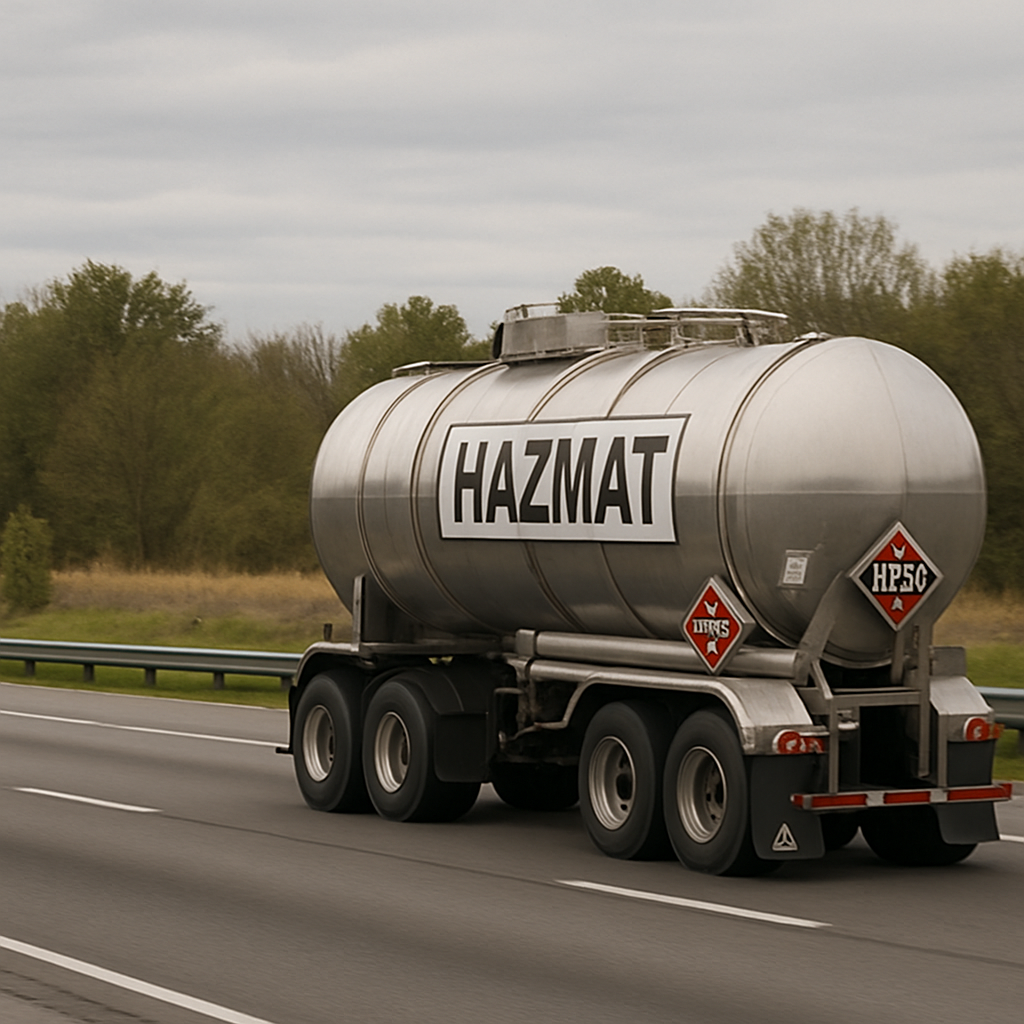
In the United States, the Department of Transportation (DOT) classifies acetone as a Class 3 Flammable Liquid. This means that any acetone bulk suppliers you work with must use specialized, licensed HAZMAT carriers to deliver your product. Ensure your facility is equipped to safely receive HAZMAT deliveries, which includes having proper loading docks, spill containment pallets, and trained receiving personnel ready to inspect the shipment upon arrival.
Environmental Responsibility and Disposal
The lifecycle of your bulk acetone doesn’t end once it has been used. Industrial facilities must carefully manage the environmental impact of large scale acetone disposal. Acetone is considered a hazardous waste under the Resource Conservation and Recovery Act (RCRA) due to its ignitability.
- Never Pour Down the Drain: Disposing of acetone in standard sewer systems is illegal and highly dangerous, as it can cause explosions in the sewer lines and severe environmental damage.
- Solvent Recycling: One of the most cost-effective and eco-friendly strategies for high-volume users is on-site or off-site solvent distillation. Acetone can be easily distilled and reused multiple times for cleaning purposes, drastically reducing waste disposal costs.
- Licensed Waste Haulers: Any spent acetone that cannot be recycled must be collected in sealed, labeled drums and handled by a licensed hazardous waste hauler.
Conclusion
Procuring bulk solvents doesn’t have to be an overwhelming challenge. By understanding your specific application needs, vetting your distribution partners, and negotiating smart contracts, you can build a highly efficient supply chain. More importantly, by strictly adhering to OSHA and DOT regulations, you ensure that your facility remains a safe environment for your team. Use this guide to optimize your solvent procurement strategy, secure the best pricing, and maintain a seamless, compliant operation year-round.
Regulatory references for acetone buyers
Acetone is exempt from EPA’s VOC regulations under 40 CFR 51.100(s), which is why many coatings and cleaning operations substitute it for regulated solvents. Workplace exposure is governed by OSHA’s PEL of 1,000 ppm (OSHA chemical data), and NIOSH documents health guidance in its Pocket Guide to Chemical Hazards. Review each before scaling up acetone use — the paperwork burden is light compared with regulated solvents, which is a real cost advantage.