Whether you are an artisanal botanical extractor, a commercial manufacturer, or a laboratory researcher, understanding the nuances of pure alcohol is essential for your work. Navigating the world of solvents can feel overwhelming, but a comprehensive guide on Non-Denatured (Pure) Ethanol: uses, purity grades, regulatory notes, and where to buy in bulk is precisely what you need. This guide will help you understand the chemical distinctions, safety protocols, legal red tape, and purchasing strategies required to use this powerful solvent efficiently and legally.
Understanding the Basics: Denatured vs Non-Denatured Alcohol Differences
Before exploring applications and sourcing, it is critical to understand what makes non-denatured pure ethanol unique. The primary distinction lies in the chemical additives.
Denatured alcohol is intentionally formulated with toxic bittering agents—such as methanol, isopropyl alcohol, or acetone—designed to make it entirely undrinkable. Because it cannot be consumed, it is exempt from hefty beverage taxes, making it cheap for industrial cleaning or fueling stoves. However, it is completely unsuitable for products meant for human consumption or topical use.
Conversely, non-denatured ethanol contains zero toxic additives. It is 100% pure ethyl alcohol. Because it is chemically safe for human consumption, it is tightly regulated by the government.
Decoding Solvent Purity Grades and Standards
Not all pure alcohol is created equal. Understanding ethanol purity is crucial for ensuring both product safety and the efficacy of your formulations. Here are the primary classifications you will encounter in the market:
Food Grade Ethanol: This grade is certified safe for human consumption. It is the backbone of the culinary, beverage, and natural supplement industries.
USP Grade Ethanol: This grade meets the rigorous, heavily documented standards set by the United States Pharmacopeia. When comparing USP grade vs food grade ethanol, USP grade guarantees that the solvent is manufactured, packaged, and stored under strict pharmaceutical guidelines. It is the mandatory choice for medical, pharmaceutical, and high-end cosmetic applications.
ACS Grade: Meeting the standards of the American Chemical Society, ACS grade is strictly utilized in rigorous analytical laboratories where even microscopic impurities could ruin an experiment.
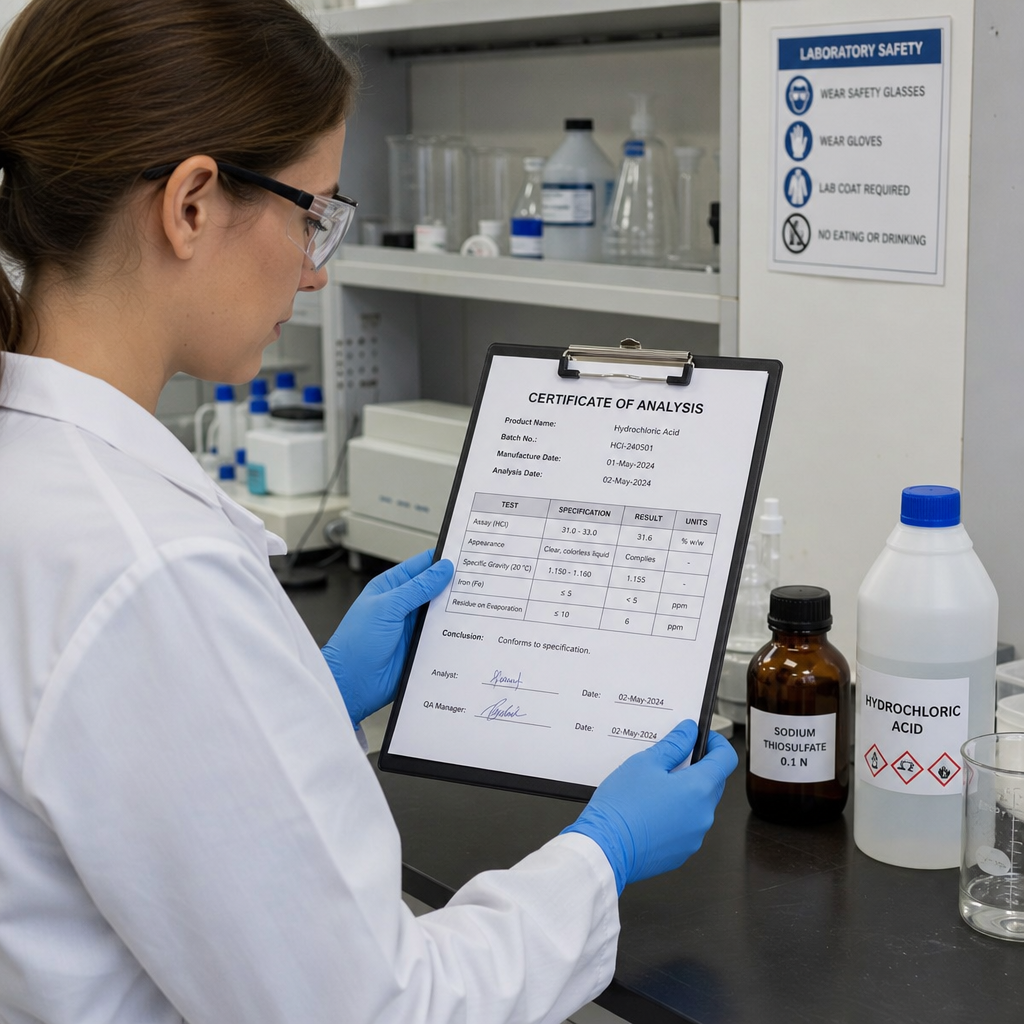
Always ask your supplier for certificates of analysis (COAs) prior to purchasing. A COA acts as a chemical resume for your alcohol, providing exact batch specifications to prove that the liquid meets your required solvent purity grades and standards.
Versatile Applications: Ethanol Uses Across Industries
Because it lacks toxic chemical additives, pure ethanol is one of the most versatile solvents on the market. Let’s look at a few of the most prominent ethanol uses.
Herbal Extracts and Tinctures
A common question from beginner herbalists is whether pure ethanol is safe for tinctures. It is—in fact, it is the industry’s gold standard. High-proof alcohol effectively pulls medicinal compounds from plant matter while acting as a robust natural preservative. Many artisanal makers specifically seek out organic cane ethanol for extractions because it boasts a clean, sweet flavor profile and guarantees an absence of pesticide residues in the final herbal medicine.
Botanical and Oil Extractions
In commercial sectors, ethanol extraction for botanical oils—including essential oils, fragrances, and hemp extracts—is highly favored for its yield and safety compared to hydrocarbon solvents like butane. Typical 200 proof food grade ethanol uses include cold, deep extractions where water content must be avoided entirely. The lack of water in 200-proof (100%) alcohol prevents it from pulling unwanted water-soluble plant waxes and chlorophyll into the final oil.
Scientific and Laboratory Work
Scientists frequently rely on anhydrous ethanol for laboratory research. The term “anhydrous” translates to “without water.” Because 200-proof ethanol contains virtually zero moisture, it is a flawless solvent for moisture-sensitive chemical reactions, DNA precipitation, and preserving biological specimens.
Manufacturing and Industrial Sectors
Beyond botanicals and labs, there are countless industrial uses for undenatured ethanol. It is a foundational ingredient in manufacturing high-end perfumes, pharmaceutical-grade hand sanitizers, and natural flavorings like vanilla extract.
Dilution Ratios and Safe Storage
When working with high-proof alcohol, precision and safety must be prioritized.
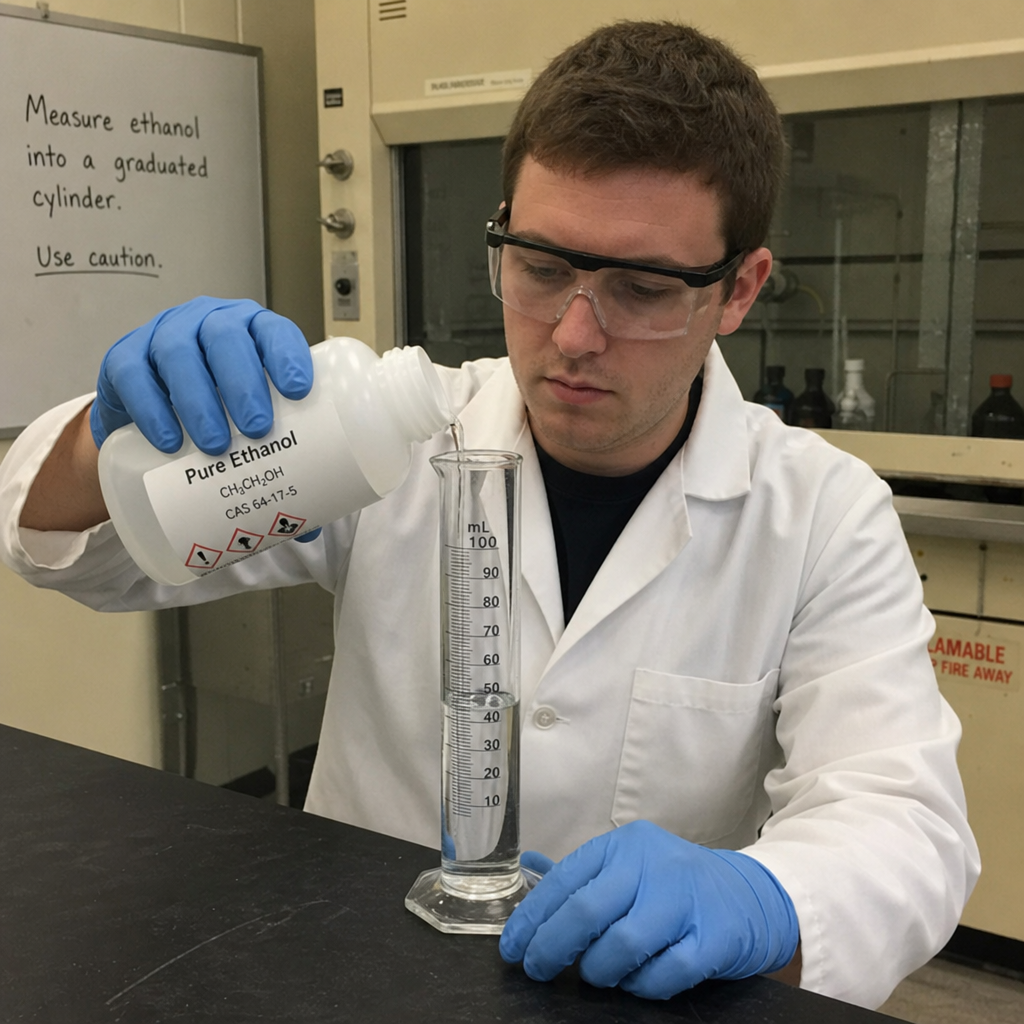
Mastering the Math. You will rarely need 100% pure alcohol for every single application. Calculating ethanol dilution ratios is a standard daily practice for formulators. For instance, diluting 200-proof ethanol down to 70% (the ideal concentration for sanitizing sprays or certain herbal extractions) requires a specific mathematical formula using distilled water to achieve the precise volume. Always use a reliable dilution calculator to ensure your concentrations are exact.
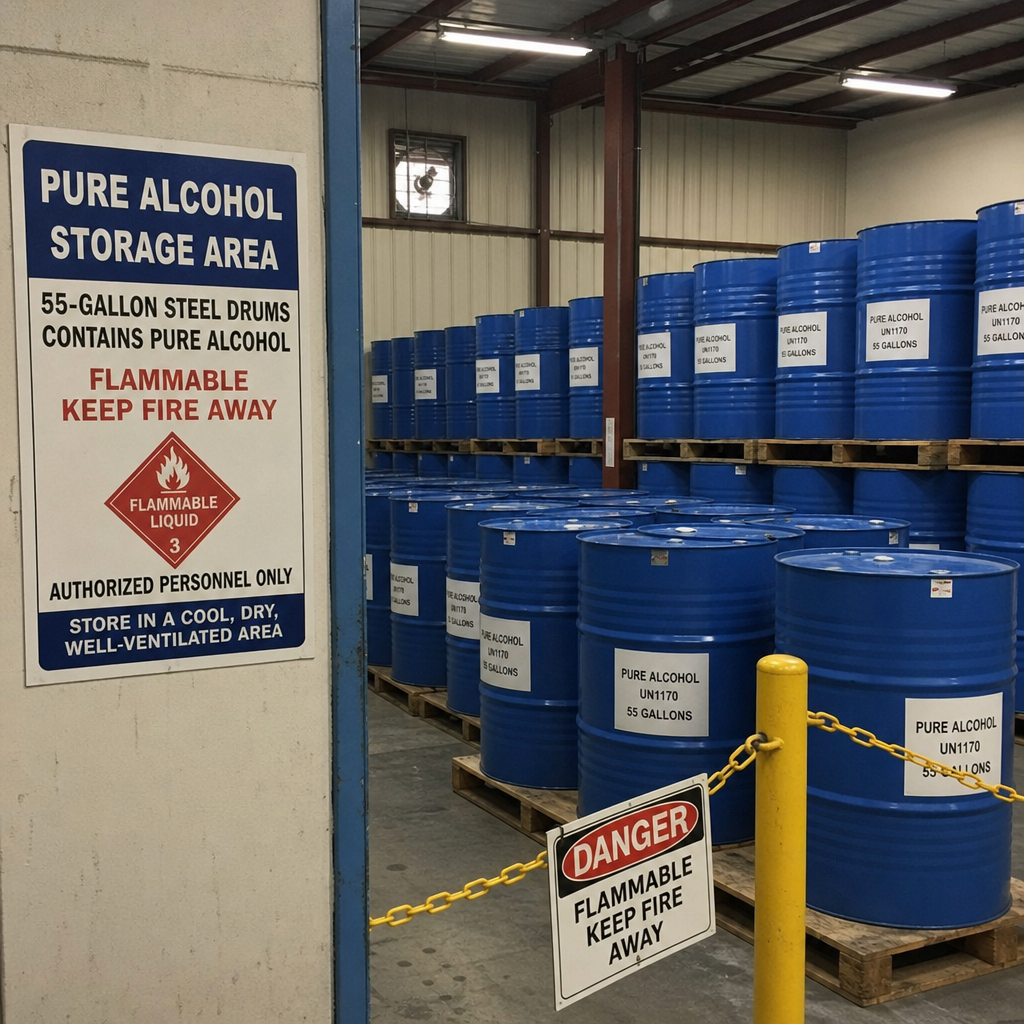
Prioritizing Safety. Because pure alcohol is highly flammable and volatile, safe storage for bulk pure alcohol is non-negotiable:
- Always store bulk quantities in a cool, climate-controlled, well-ventilated area.
- Keep containers away from direct sunlight, static electricity, and all potential ignition sources.
- Use grounded, fire-rated safety cabinets for storage.
- Ensure your warehouse or lab facility complies fully with local fire marshal codes regarding hazardous materials.
Navigating Regulatory Notes and Taxes
Purchasing pure alcohol isn’t quite as simple as checking out on an e-commerce site; there is a significant amount of federal red tape.
Because undenatured alcohol is legally categorized as beverage-grade alcohol, the United States government levies a hefty federal excise tax on undenatured spirits. In many cases, this tax is substantially higher than the cost of the liquid solvent itself, drastically increasing your overhead.
However, there is a legal workaround. If you are using the alcohol strictly for non-beverage manufacturing, medical, educational, or scientific purposes, you may qualify to have these taxes waived. To do this legally, you must apply for a TTB permit for tax-free ethanol through the Alcohol and Tobacco Tax and Trade Bureau. Securing this permit requires a dedicated application process, background checks, meticulous record-keeping, and an approved industrial use case. While it takes effort, holding a TTB permit can save your business thousands of dollars annually.
Where to Buy Bulk Pure Ethanol
When scaling up your business operations, buying by the single gallon is no longer cost-effective. You will need to transition to purchasing in 5-gallon jugs, 55-gallon drums, or even 275-gallon totes. To do this smoothly, you must partner with reputable wholesale pure ethyl alcohol suppliers.
Tips for choosing a reliable supplier:
- Check regulatory compliance: Ensure the supplier is federally registered to sell undenatured alcohol and can seamlessly process your TTB permit paperwork if you have one.
- Demand transparency: Never buy bulk solvents blindly. Reputable suppliers will proudly provide COAs for every batch.
- Assess shipping logistics: Pure ethanol is classified as a hazardous material (Hazmat). Shipping Hazmat goods is highly regulated, expensive, and complex. Choose an experienced supplier with a proven track record in safe, legal Hazmat transport to avoid costly supply chain delays.
Final Thoughts
From crafting artisanal vanilla extracts to performing cutting-edge laboratory research, pure, undenatured ethanol is an indispensable tool. While the initial federal regulations and excise taxes can seem daunting to newcomers, understanding the vital differences in purity grades, securing the proper TTB permits, and prioritizing safe storage protocols will set your operations up for long-term success. By partnering with knowledgeable, transparent wholesale suppliers, you can confidently source the perfect grade of pure ethanol to elevate your products and streamline your workflow.